The Amphora-Aged Bean Trend: Adelaide’s Best New 2026 Coffee Movement
Adelaide is redefining the resting phase of specialty coffee with the rise of amphora aging—a clay-vessel technique borrowed from the state's world-class wine industry.
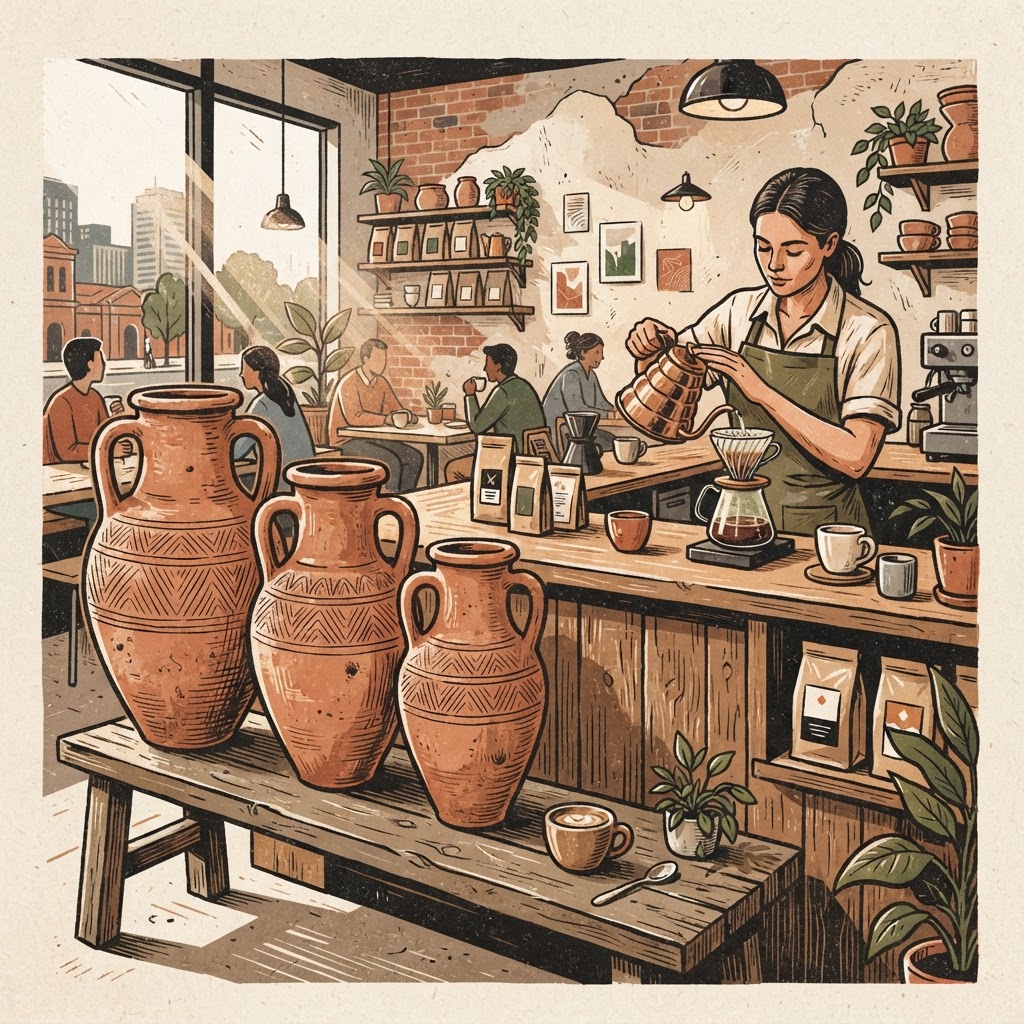
As we hit the mid-point of 2026, the Australian coffee landscape has shifted from high-tech lab equipment back to the earth—literally. While Melbourne experiments with biometrics and Sydney leans into molecular sifting, Adelaide specialty coffee has found its soul in the ancient world. The hottest trend currently dominating the South Australian capital is Amphora Aging, a process that utilizes porous terracotta vessels to rest and condition roasted beans. It is a movement that perfectly marries Adelaide’s rich viticulture heritage with its burgeoning status as a global coffee destination.
If you walk into the best cafes in Adelaide this winter, you will likely notice large, earthy clay jars standing prominently behind the counter. These aren't just for show. They are the secret behind the most textured, rounded, and complex cups of coffee we have ever tasted in the Southern Hemisphere.
Why Clay? The Science of Amphora Aging
In the world of specialty coffee, 'freshness' has long been the primary metric of quality. However, in 2026, we have come to understand that 'resting' is just as critical as the roast itself. Traditionally, coffee is rested in grain-pro bags or vacuum-sealed containers to prevent oxidation. But Adelaide roasters are flipping the script by embracing micro-oxygenation.
Terracotta amphorae are naturally porous. This allows for a minute, controlled exchange of oxygen that softens the harsh organic acids found in light-roast specialty beans. Unlike stainless steel, which is inert, the clay reacts with the coffee's oils. The result? A velvet mouthfeel that makes a standard pour-over feel like heavy cream. For the Adelaide coffee scene, this is the natural evolution of the 'Viticulture-inspired' movements of previous years, moving away from the fruit-infusion gimmicks and toward structural refinement.
The South Australian Connection: From Vineyards to Roasteries
It is no coincidence that this trend started in the city closest to the Barossa Valley and McLaren Vale. For centuries, winemakers have used amphorae to age natural wines, seeking a profile that is 'purer' than oak-aged counterparts. In early 2026, pioneering Adelaide roasters began collaborating with local potters in the Adelaide Hills to create custom-fired vessels specifically for coffee.
Roasters like Elementary Coffee on Young Street and the innovators at Monday’s Coffee have been at the forefront of this movement. By resting their high-scoring Ethiopian and Colombian lots in clay for 14 to 21 days post-roast, they are achieving a flavor clarity that traditional degassing methods simply cannot match. It’s a distinctly South Australian specialty coffee approach—using local resources to solve global flavor challenges.
Where to Find the Best Amphora-Aged Coffee in Adelaide
If you are planning a coffee crawl through the city, these are the essential stops for a 2026-style brew:
- Elementary Coffee (CBD): Look for their 'Terra Series.' They are currently resting a Washed Sidra in clay that tastes like liquid apricot silk.
- Dawn Patrol (Kangarilla): These guys have always been about the science of the bean. Their cellar door now features a dedicated 'Amphora Room' where you can taste the difference between bag-rested and clay-rested batches.
- Sibling (Adelaide): A beautiful, minimalist space that serves their amphora brews in hand-thrown ceramic cups that match the aging vessel, completing the sensory loop.
The Tasting Profile: What to Expect in Your Cup
What does an amphora-aged coffee actually taste like? It isn't about adding flavor—it’s about polishing it. When you order an Adelaide flat white made with clay-aged beans, you’ll notice a significant reduction in that 'biting' acidity often found in modern light roasts. Instead, the acidity is integrated, reminiscent of a ripe stone fruit rather than a sharp citrus.
For filter coffee drinkers, the change is even more dramatic. The 'Amphora-Aged' batches exhibit:
- Increased Sweetness: The sugars seem to settle and intensify during the resting period.
- Structural Depth: The coffee feels 'thicker' on the palate without being heavy.
- Aromatic Stability: The delicate floral notes seem to be 'locked in' by the clay, lasting longer in the cup as it cools.
Sustainability and the Return to Earth
Beyond the flavor, the Amphora-Aged bean trend is a win for the environment. In a decade where the zero-waste revolution has transformed how we consume, clay offers a sustainable alternative to the plastic-lined multi-layer bags used by the industry. These vessels are infinitely reusable, made from local earth, and require no electricity to maintain. For the eco-conscious coffee lover, it represents a return to a more rhythmic, natural way of processing.
Conclusion: The Future of the Vessel
As we look toward the rest of 2026, it’s clear that Adelaide has set a new benchmark for Australian coffee culture. The amphora movement isn't just a fleeting fad; it’s a sophisticated acknowledgement that time and material matter just as much as temperature and pressure. Whether you’re a local or a visitor searching for the best specialty coffee in Sydney or Melbourne, a trip to Adelaide to experience the 'Clay Revolution' is now an absolute necessity for any true caffeine aficionado. The era of the earth has arrived.