The Ancient-Grain Milk Revolution: Melbourne and Perth’s Best 2026 Trend
Move over oat milk—2026 is the year of the ancient grain. From Melbourne's laneways to Perth's coast, find out why sorghum and millet are the new kings of the Australian flat white.
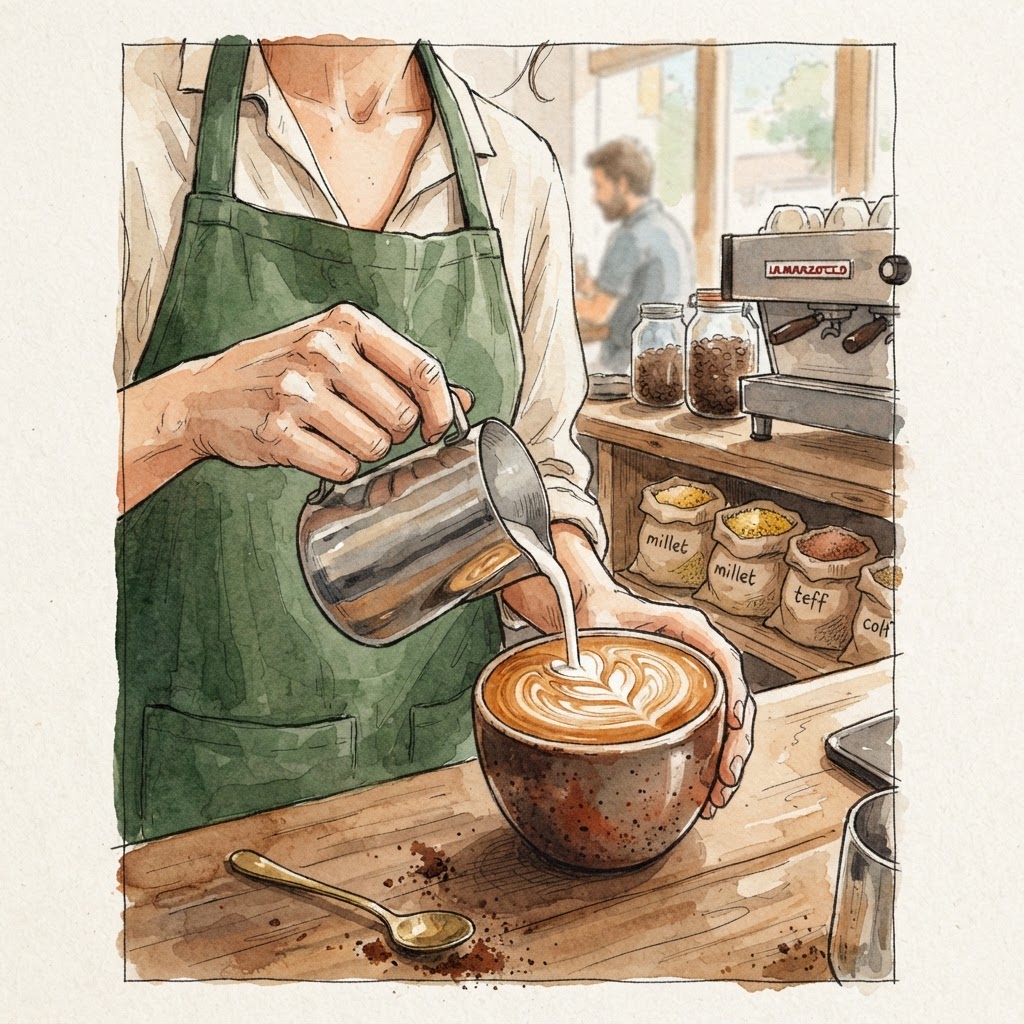
As we hit the mid-winter stride of July 2026, the Australian specialty coffee landscape has taken a fascinating turn. If you walked into a Melbourne specialty coffee institution like Seven Seeds in Carlton or St Ali in South Melbourne five years ago, your alternative milk choices were largely settled between almond, soy, and the then-dominant oat. But today, the blackboard menus tell a different story. The Ancient-Grain Milk Revolution has officially arrived, and it is transforming the way we experience the iconic Australian flat white.
From the high-pressure environments of the Perth CBD to the creative hubs of Collingwood, baristas are ditching the water-heavy almond and the carbon-intensive imported oats for locally grown, drought-resistant grains like sorghum, millet, and teff. This isn't just a health fad; it's a structural shift in Australian cafe culture driven by taste, texture, and a desperate need for sustainable farming solutions.
Why Ancient Grains are Topping the Best Cafes in Melbourne
For decades, the holy grail of alternative milk was finding a liquid that mimicked the fatty mouthfeel of bovine dairy without masking the delicate notes of a light-roast Ethiopian Yirgacheffe. While oat milk got close, its inherent sweetness often muddied the vibrant acidity that Melbourne’s third-wave coffee scene is famous for.
The Sorghum Solution
Sorghum milk has emerged as the clear winner in 2026. Grown extensively in the northern regions of New South Wales and Queensland, it requires significantly less water than almonds and offers a neutral, slightly nutty profile. At Proud Mary in Collingwood, they’ve pioneered a 'Sorghum-Sourced' program where the grain is processed into milk just kilometers from the roastery. The result? A Melbourne flat white that carries a silky, malt-like finish, perfectly complementing their high-altitude Colombian lots.
The Rise of Teff in the Inner North
In the Fitzroy and Brunswick corridors, teff milk is the new darling. Originally from Ethiopia—the birthplace of coffee—this tiny grain is naturally gluten-free and incredibly high in protein. When steamed, it produces a micro-foam that is arguably superior to dairy, allowing for the intricate latte art that Melbourne baristas are world-renowned for.
Perth’s Best New Coffee Trend: The Millet Movement
While Melbourne focuses on complexity, Perth specialty coffee is all about the creamy, sun-drenched vibes of the West Coast. Over at Grouch & Co in Myaree and Lowdown in the Perth CBD, the shift toward millet milk has been meteoric.
Millet is one of the hardiest grains on the planet, thriving in the arid soils of Western Australia. For a city like Perth, which has been at the forefront of climate-adaptive cafe design, millet milk represents the ultimate local hero. It has a buttery texture that pairs exceptionally well with the chocolatey, full-bodied espresso profiles favored by Perth’s best cafes.
Sustainability: More Than Just a Buzzword
In 2026, the Australian coffee consumer is more educated than ever. We’ve moved past simple 'recyclable cups' and into the era of Total Resource Transparency. Ancient grains are inherently more sustainable for the Australian climate.
- Low Water Footprint: Sorghum uses 40% less water than oats and 90% less than almonds.
- Soil Health: Many of these grains are used in regenerative crop rotation, improving the soil for future harvests.
- Zero Food Miles: By sourcing grains from the Riverina or the WA wheatbelt, cafes in Sydney, Brisbane, and Adelaide are slashing their carbon footprints.
Where to Experience the Revolution This Week
If you're looking to taste the future of the Australian flat white, here are the spots leading the charge this July:
- Melbourne: Head to Market Lane Coffee at the Queen Victoria Market. Their new 'Grains of the Earth' flight allows you to compare a single-origin espresso with three different ancient-grain milk bases.
- Sydney: Check out Single O in Surry Hills. They’ve integrated 'Grain-on-Tap' systems to reduce packaging waste while serving a spectacular millet-based batch brew.
- Perth: Visit Sayers Sister in Northbridge for their signature 'Ancient Cortado', featuring a blend of roasted teff and sorghum milk that tastes remarkably like toasted biscuits.
- Brisbane: Industry Beans in Newstead is experimenting with a fermented millet foam that adds a sourdough-like complexity to their cold brews.
The Verdict: Is it Better Than Dairy?
The short answer is: it’s different, and that’s the point. The Ancient-Grain Milk Revolution isn't about trying to be milk; it’s about creating a new category of beverage that respects the bean. In 2026, the best cafes in Australia are those that lean into these unique flavors rather than hiding them.
Whether you’re a die-hard dairy lover or a long-time oat devotee, the creamy, earthy, and sustainable pull of the ancient grain is hard to ignore. Next time you're at your local Sydney specialty coffee shop or your favorite Adelaide roastery, ask for the sorghum. Your palate—and the planet—will thank you.
Conclusion
Australia remains the global leader in coffee innovation, and the shift toward ancient-grain milks in 2026 is just another example of our industry's ability to pivot toward quality and sustainability. From the first sip of a millet latte in Perth to the last drop of a teff-capped cappuccino in Melbourne, the future of coffee is looking (and tasting) remarkably ancient.