The Biodynamic Revolution: Australia's Best Regenerative Coffee in 2026
Forget organic—2026 is all about regenerative. Discover how biodynamic farming is transforming the Australian flat white into a soil-healing powerhouse across Sydney, Melbourne, and beyond.
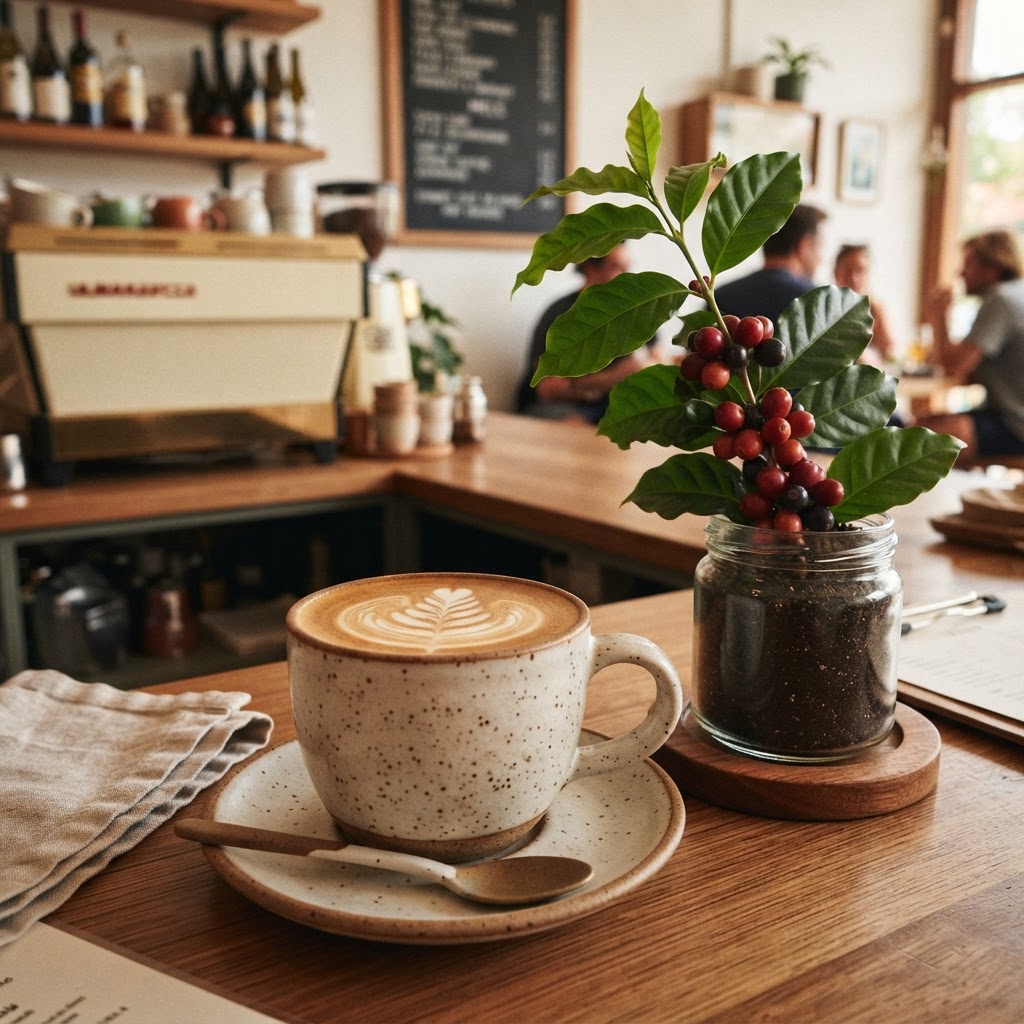
In the world of Australian specialty coffee, we’ve long moved past the simple 'organic' label. As we hit the middle of 2026, a new philosophy is dominating the grinders from Surry Hills to Fitzroy: biodynamic and regenerative brewing. This isn't just about avoiding pesticides; it’s a holistic approach to coffee production that treats the farm as a living organism. For the discerning Australian coffee drinker, this means a cleaner cup, a more vibrant flavor profile, and the knowledge that your morning caffeine fix is actively healing the planet.
While Sydney specialty coffee has always been at the forefront of ethical sourcing, the shift toward regenerative agriculture has become the gold standard this year. We are seeing a massive surge in 'Soil-First' certifications, with cafes across the country prioritizing beans from estates that prioritize biodiversity, carbon sequestration, and lunar-cycle harvesting. Here is why the biodynamic revolution is the most important trend in Australia's cafe culture right now.
Why Biodynamic is the New Organic
For years, the 'organic' sticker was the peak of sustainability. However, in 2026, Australian coffee enthusiasts are demanding more. Biodynamic coffee takes organic principles and adds a layer of spiritual and ecological depth. It involves the use of specialized compost preparations and a planting calendar based on celestial alignments.
But beyond the mysticism, the results are in the cup. Roasters like Single O in Sydney and Market Lane in Melbourne are reporting that regenerative beans often possess a higher nutrient density and a more complex acidity. When you order an Australian flat white made with biodynamic beans, you aren’t just getting a beverage; you’re supporting a farming system that leaves the soil better than it found it.
Sydney’s Regenerative Hubs: From Surry Hills to Marrickville
In the Harbour City, the Sydney specialty coffee scene has embraced this movement with open arms. Leading the charge is the iconic Artificer Coffee in Surry Hills, which has recently dedicated its entire seasonal rotation to regenerative lots from Brazil and Ethiopia.
The Marrickville Micro-Roaster Boom
Further west, the industrial pockets of Marrickville have seen a rise in micro-roasters like Sample Coffee focusing exclusively on 'Carbon-Negative' imports. These spots aren't just cafes; they are education hubs where baristas explain the nitrogen-fixing properties of the cover crops grown alongside your coffee trees.
- Key Spot: Edition Coffee Roasters in Haymarket is currently pairing biodynamic Japanese-processed beans with their signature Nordic-Japanese fusion menu, offering a sensory experience that is unmatched in the CBD.
Melbourne’s Soil-to-Cup Mastery
If Sydney is the heart of the movement, Melbourne is undoubtedly its soul. The best cafes in Melbourne are no longer just competing on latte art; they are competing on their 'Soil Score.' In the laneways of the CBD, Dukes Coffee Roasters has become a pioneer in transparent regenerative sourcing, providing QR codes on every retail bag that show the exact microbial health of the farm's soil.
Collingwood and the Science of Flavor
In Collingwood, the team at Proud Mary and their dedicated cellar, Aunty Peg's, are hosting 'Regenerative Cuppings' every Sunday. They argue that the terroir of a biodynamic bean is more pronounced because the coffee cherry has to work harder to thrive in a natural, diverse ecosystem.
Melbourne specialty roasters are finding that these beans handle the city’s notoriously light roasting styles exceptionally well, preserving delicate floral notes that might be lost in more conventional farming methods.
What to Look for on the Menu
When you’re browsing the chalkboard at your local Brisbane third-wave coffee spot or a boutique roastery in Perth, keep an eye out for these terms:
- Regen-Certified: Coffee sourced from farms using holistic land management.
- Lunar-Harvested: Beans picked during specific moon phases to maximize sugar content.
- Intercropped Lots: Beans grown under the canopy of native fruit trees, often resulting in distinct stone-fruit notes.
The National Impact: Beyond the Big Cities
While the trend started in the urban centers, it’s spreading fast. Adelaide's East End and Hobart's waterfront are seeing a rise in 'Closed-Loop' cafes where the coffee grounds are collected, composted using biodynamic preparations, and sent back to local Tasmanian and South Australian suppliers.
In Perth, cafes like La Veen are leading the way in Western Australia, proving that the 'Bio-Dynamic Brew' isn't just a coastal fad but a nationwide shift in how we value the land. Even in Brisbane, the tropical climate is proving perfect for displaying the robust flavors of regenerative beans, with Coffee Anthology highlighting how these farming practices help trees resist the increasing humidity of the 2020s.
Conclusion: A Greener Future for Your Daily Grind
The move toward biodynamic and regenerative coffee in 2026 represents a maturing of the Australian palate. We no longer just care about how our coffee tastes; we care about how it functions within the global ecosystem. Whether you’re sipping a filter brew in a quiet Melbourne laneway or a silky flat white in a bustling Sydney CBD cafe, the biodynamic revolution ensures that your love for caffeine is a force for good. As we look toward the rest of the decade, expect the 'Soil-to-Sip' philosophy to become the standard, not the exception, in the best Australian cafes.