Brisbane’s Specialty Coffee Rise: Australia’s New 2026 Caffeine Capital
Move over Melbourne! In 2026, Brisbane has officially become Australia’s fastest-growing specialty coffee market. We explore the roasters and cafes turning the Sunshine State into a global caffeine powerhouse.
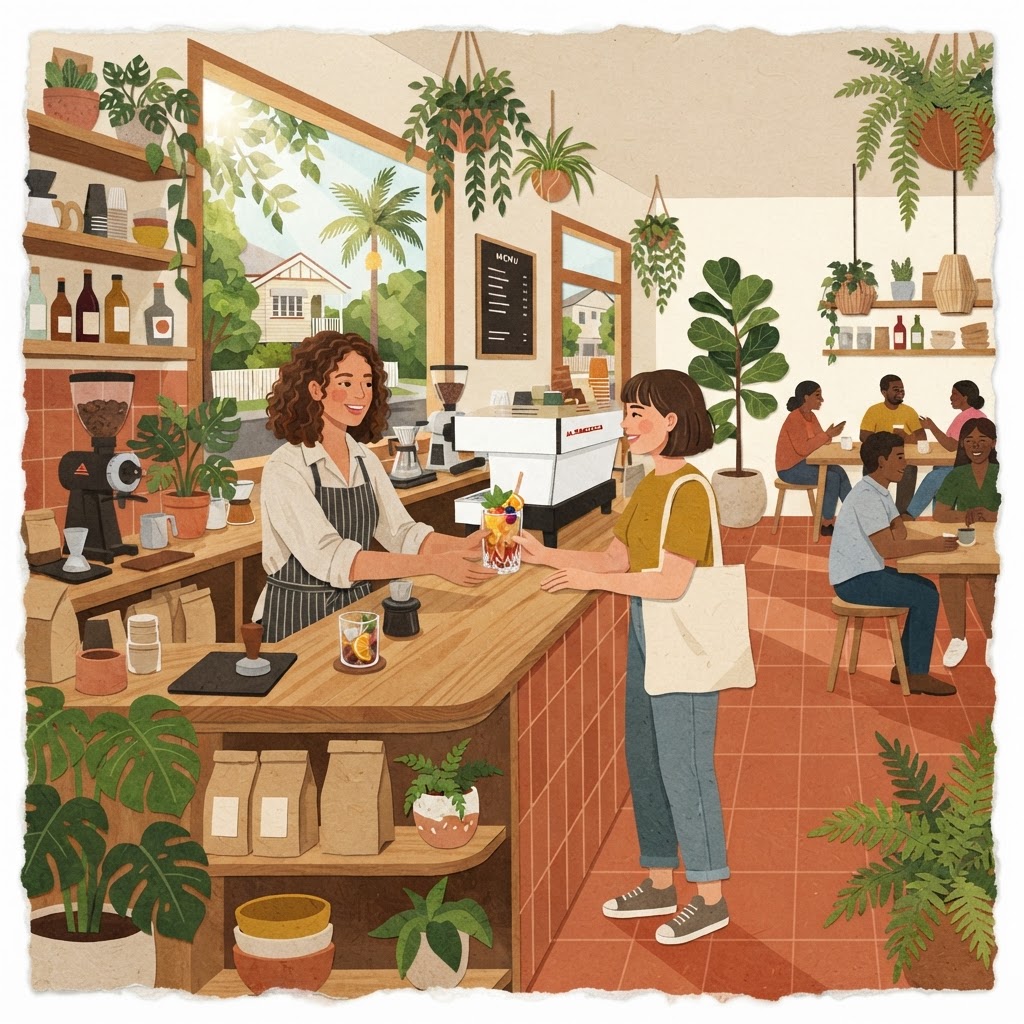
For decades, the narrative of the Australian coffee scene has been a two-horse race between the laneways of Melbourne and the harbour-side hubs of Sydney. But as we move through August 2026, the data tells a different story. While Melbourne remains the traditional anchor of our coffee culture, Queensland has emerged as the fastest-growing coffee market in the country, boasting a projected 6.41% CAGR that is currently outpacing the southern capitals. From the bustling streets of Fortitude Valley to the sun-soaked strips of the Gold Coast, a new 'Tropical Specialty' movement is redefining what it means to be a world-class coffee destination.
The Great Northern Shift: Why Brisbane is Booming
In 2026, the Australian coffee market is valued at approximately $2.4 billion USD, with domestic consumers drinking a staggering 16 million cups every single day. However, the most exciting growth isn't happening in the Victorian highlands; it’s happening in the subtropics. This geographic democratisation of specialty coffee is driven by a surging population and a younger demographic in Brisbane that is hungry for innovation.
While you can still find a classic Australian flat white on every corner, the best cafes in Brisbane are now pushing boundaries that even Melbourne’s elite are watching closely. The 'Sunshine State' vibe has birthed a preference for lighter, more vibrant roast profiles and a massive surge in high-quality convenience.
The Rise of 'Tropical Specialty' and Co-Fermented Beans
One of the most significant specialty coffee trends in 2026 is the explosion of experimental processing. Brisbane roasters are leading the charge with co-fermented Colombian coffee, a trend that has dominated the first half of the year. By introducing fruit and botanical elements during the fermentation stage at the farm level, roasters are producing beans with wild, punchy notes of pineapple, passionfruit, and lychee—profiles that perfectly complement the Queensland climate.
Signature Drinks: More Than Just a Garnish
In 2026, a cafe’s identity is no longer defined solely by its house blend. Signature drinks have become the new baseline for excellence. At venues like Ovolo Fortitude Valley, the menu is a visual story where coffee is treated with the same reverence as a fine cocktail. We are seeing:
- Carbonated Cold Brews: Infused with native Australian botanicals like lemon myrtle.
- Protein Lattes: Catering to the wellness-obsessed 'active' culture of the Gold Coast.
- Layered Tasting Flights: Allowing customers to experience a single-origin bean across three different temperatures.
RTD Innovation and the New Standard of Convenience
Queensland’s younger populace is also driving the Ready-to-Drink (RTD) revolution. No longer confined to sugary supermarket cans, the new wave of RTD coffee in Brisbane is high-end, nitrogen-flushed, and single-origin. Roasters like Industry Beans and Seven Miles Coffee Roasters have mastered the art of the 'specialty can,' ensuring that even a grab-and-go brew from a beachside kiosk meets the rigorous standards of a Sydney specialty coffee enthusiast.
This shift toward 'premium convenience' is a response to a 2026 consumer who refuses to compromise on quality just because they are in a hurry. Whether it’s a vacuum-sealed cold drip or a precision-brewed flash-chilled espresso, the technology behind these drinks is now as sophisticated as the espresso machines themselves.
Sustainability: The Non-Negotiable Baseline
As we look at the Australia cafe market trend for the remainder of 2026, one thing is clear: sustainability is no longer a 'nice-to-have'—it is a prerequisite for survival. Brisbane’s leading cafes have moved beyond just compostable cups. We are seeing a rise in:
- Hyper-Local Sourcing: A renewed focus on beans grown in Northern New South Wales and the Queensland hinterlands.
- Circular Economy Cafes: Where coffee grounds are processed on-site for urban mushroom farming or donated to local community gardens.
- Transparency in Sourcing: Digital menus now frequently include QR codes that link directly to the farm’s wage transparency reports and carbon-offset data.
Where to Drink: The 2026 Brisbane Hotlist
If you’re looking for the best cafes in Brisbane to experience these 2026 trends firsthand, start your journey in the inner-city suburbs. Fortitude Valley remains the epicentre of innovation, but don't overlook the emerging scenes in West End and Newstead. Even the Gold Coast has seen a massive influx of specialty talent, with local icons like Zarraffa’s Coffee expanding their footprint and elevating their premium offerings to meet the sophisticated palate of the modern Queenslander.
Conclusion: A New Era for Australian Coffee
While Melbourne will always be the spiritual home of the Melbourne coffee capital title, the energy in 2026 is undeniably moving north. Brisbane has successfully blended the technical precision of the third-wave movement with a relaxed, innovative, and climate-appropriate aesthetic. For any coffee lover, the message is clear: if you want to see the future of the Australian specialty coffee industry, it’s time to head to the Sunshine State. The beans are bright, the brews are cold, and the culture is hotter than ever.