The First Nations Roastery Rise: Australia’s Best 2026 Coffee Trend
In 2026, the Australian coffee scene is shifting its focus from high-tech gear to high-impact heritage. Discover the rise of First Nations roasteries and their unique connection to Country.
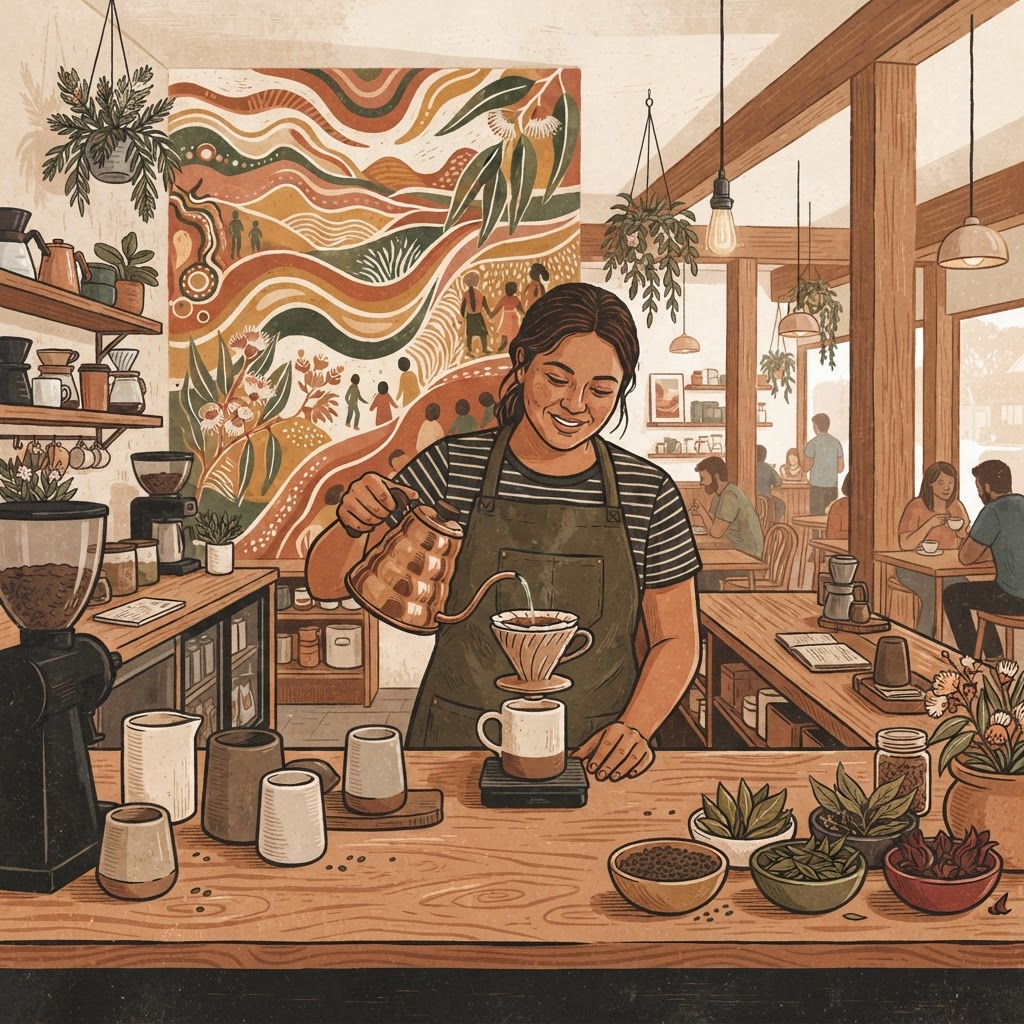
As we reach the peak of winter on August 2, 2026, the Australian specialty coffee landscape is undergoing its most significant cultural shift in decades. While the previous years were dominated by precision tools and hyper-industrial aesthetics, 2026 belongs to the First Nations Roastery Rise. This movement isn't just about a new way to roast beans; it’s a profound reclaiming of the narrative surrounding land, flavor, and community across the continent. From the laneways of Melbourne to the sun-drenched docks of Perth, a new generation of Indigenous-owned roasteries is proving that the best cup of coffee is one that honors the land it comes from.
Beyond the Bean: A Connection to Country
For years, the best cafes in Melbourne focused on the technicality of the 'third wave'—perfectly calibrated grinders and water mineralogy. However, in 2026, the conversation has moved toward Ngurra (Country). Indigenous roasters like Yaru Coffee and Gaba Gaba Roasts are leading a revolution where every batch is roasted with an awareness of the seasons and the traditional custodians of the land where the business operates.
This trend represents a shift from coffee as a global commodity to coffee as a medium for storytelling. In Sydney specialty coffee circles, consumers are no longer just asking about the elevation of a Colombian micro-lot; they are asking about the roastery’s connection to the local Gadigal or Dharug communities. This 'Land First' philosophy is changing how we perceive value in the specialty market, prioritizing ethical stewardship alongside flavor clarity.
The Regional Breakdown: Where to Sip in 2026
Sydney: The Redfern and Surry Hills Hub
In Sydney, the epicenter of this movement is undoubtedly Redfern. Cafes like The Meeting Place have become landmarks for the Sydney specialty coffee enthusiast. Here, the focus is on 'Slow Roasting'—a technique that uses lower temperatures over a longer duration to mimic traditional fire-coals, resulting in a cup with unparalleled sweetness and depth. If you are looking for the best coffee in Sydney, look for the roasteries that proudly display their First Nations ownership and their commitment to employing local Indigenous youth.
Melbourne: Innovation in the North
Melbourne’s coffee culture has always been at the forefront of innovation, and 2026 is no different. In the heart of Brunswick and Fitzroy, Melbourne roasteries are collaborating with Indigenous elders to source native ingredients that complement the coffee experience. The Australian flat white has been reimagined here, often served with a side of toasted Wattleseed, which enhances the nutty, chocolatey undertones of the espresso. The best cafes in Melbourne are now those that offer a sensory journey through the Australian bush via their seasonal blends.
Perth: The Boorloo Movement
Over in the West, the Perth coffee scene is booming with a focus on 'Circadian Roasting.' Roasteries in the Swan Valley are timing their production cycles to the six Noongar seasons. This approach ensures that the coffee profiles reflect the atmospheric conditions of the time, whether it's the crispness of Makuru or the heat of Birak. The result is a vibrant, ever-changing menu that keeps the Perth specialty coffee community coming back for more.
Brisbane and Adelaide: Terroir and Tradition
Brisbane’s third-wave coffee scene has embraced the heat, utilizing high-tech humidity control to manage the roasting of beans that are then paired with tropical native fruits like Davidson Plum. Meanwhile, Adelaide specialty roasters are finding success by blending high-altitude imports with locally grown grains, creating a unique 'Ancient Grain' hybrid that offers a fuller body and a sustainable alternative to traditional milk-based drinks.
The Rise of Native Botanical Infusions
A hallmark of the 2026 trend is the integration of bush foods into the brewing process. This isn't just a gimmick; it’s a sophisticated culinary pairing. Some of the best cafes in Brisbane and Hobart are now offering 'Botanical Flights' including:
- Lemon Myrtle Cold Brew: A zesty, refreshing take on a summer classic that highlights the citric acidity of Ethiopian beans.
- Mountain Pepper Espresso: A bold, spicy kick that perfectly matches the earthy notes of a Sumatran dark roast.
- Native Honey Lattes: Using suburb-specific honey to create a truly local Australian flat white that changes flavor every few kilometers.
Sustainability and the Circular Economy
The First Nations Roastery Rise is inherently tied to the zero-waste revolution. These businesses are often built on circular models, where coffee husks (cascara) are repurposed into traditional medicines or fertilizers for community gardens. In 2026, the Australian coffee consumer is highly conscious of their footprint, and Indigenous-led roasteries offer a blueprint for how a global industry can function with local integrity. By supporting these roasters, you aren't just getting a caffeine hit; you are contributing to a system that respects the environment and provides economic sovereignty to First Nations people.
Conclusion: The Future is Heritage-Led
As we look at the state of the Australian specialty coffee market in 2026, it is clear that the future isn't just about faster machines or more complex fermentations. It is about heritage, respect, and a deep-rooted connection to the Australian landscape. Whether you are grabbing a quick brew in a Perth CBD cafe or enjoying a slow tasting menu in a Melbourne laneway, the influence of First Nations roasters is undeniable. This movement has breathed new life into the industry, reminding us all that the best way to move forward is to remember where we came from. Support your local Indigenous roaster this winter—your palate, and the planet, will thank you.