The Maritime-Fermented Micro-Lot: Hobart’s Best 2026 Coffee Trend
Hobart is no longer in the shadow of the big mainland cities. In 2026, the maritime-fermented micro-lot is putting Tasmanian specialty coffee on the global map.
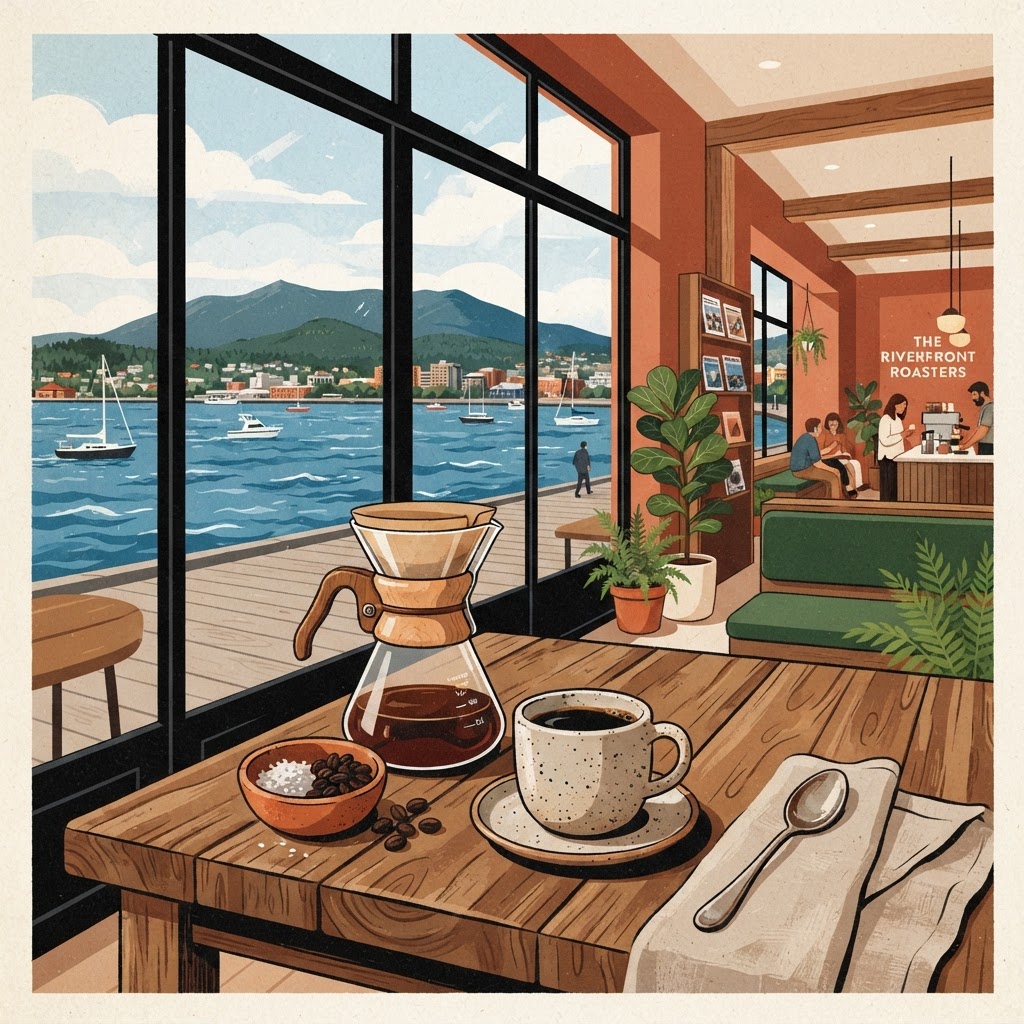
While Melbourne and Sydney have long battled for the title of Australia’s coffee capital, a quiet revolution has been brewing in the south. In 2026, Hobart’s specialty coffee scene has officially arrived on the world stage, and it’s all thanks to a unique process known as maritime fermentation. By leveraging the distinct salt-heavy air and the cool, volatile climate of the Southern Ocean, Tasmanian roasters are producing flavor profiles that simply cannot be replicated anywhere else on the planet.
This isn't just about the beans; it's about the environment. As the best cafes in Hobart move away from traditional processing, the maritime-fermented micro-lot has become the must-try brew for any serious coffee enthusiast visiting the Apple Isle.
What Exactly is Maritime Fermentation?
Maritime fermentation is a experimental processing method where green coffee beans—typically high-altitude Arabica—are aged in open-air, humidity-controlled environments near the coastline. In Hobart, roasters are utilizing the "Roaring Forties"—the powerful westerly winds—to circulate mineral-rich sea spray around the fermenting cherries.
Unlike standard anaerobic fermentation, this process allows the briny Tasmanian air to interact with the fruit's natural sugars. The result is a cup that balances intense floral acidity with a subtle, savory finish that many locals describe as "the taste of the Derwent."
The Science of the Sea Spray
According to lead roasters at Villino Coffee, one of the pioneers of the movement, the salt aerosols in the air act as a natural catalyst during the 48-hour fermentation window. These aerosols slow down the breakdown of pectins, resulting in a syrupy mouthfeel and a clarity of flavor that highlights notes of wild blackberry and salted caramel.
Where to Experience the Best Specialty Coffee in Hobart
If you're heading south to chase this trend, there are a few iconic spots you simply cannot miss. The Hobart third-wave coffee community is tight-knit, and you'll find the maritime trend represented in several key suburbs.
- Villino Coffee Roasters (CBD): The OGs of the Hobart scene. Their "Ocean-Aged" series sells out within hours of release. Located on Criterion Street, it’s the perfect spot to witness the Australian flat white being reinvented with these complex beans.
- Pilgrim Coffee (Argyle St): Known for their minimalist aesthetic and maximum focus on technique. Pilgrim has dedicated a specific "Island Origin" filter menu to showcase Hobart’s maritime-fermented lots.
- Straight Up Coffee + Food (Elizabeth St): If you’re looking for a sustainable approach, Straight Up works directly with growers to ensure the maritime aging process is as low-impact as possible, using natural ventilation rather than mechanical fans.
- Zimmah Coffee (Glenorchy): A bit further out, but worth the trip for their industrial-scale approach to experimental roasting. Their maritime-blends offer a punchier, bolder profile perfect for those who like their coffee with a bit of grit.
Why 2026 is Tasmania’s Year
For years, Tasmanian specialty coffee was seen as a boutique niche. However, in 2026, several factors have converged to make Hobart the center of Australian coffee innovation:
- Climate Resilience: As coffee-growing regions face rising temperatures, the cooler Tasmanian climate has become an ideal testing ground for post-harvest processing experiments that require stable, lower ambient temperatures.
- The Agritourism Boom: With travelers flocking to Mona and the Huon Valley, there is a massive demand for hyper-local, artisanal products. Coffee is now viewed with the same reverence as Tasmanian single-malt whisky or cool-climate pinot noir.
- Collaborative Roasting: Hobart roasters are increasingly sharing data and techniques, leading to a rapid acceleration in quality. This isn't a competitive scene; it's a collective effort to define a "Tasmanian Style."
The Flavor Profile: What to Expect
If you're used to the fruity, tea-like notes of a traditional Ethiopian Yirgacheffe, a maritime-fermented Hobart lot will be a revelation. You can expect:
- Primary Notes: Dark plum, hibiscus, and cacao nibs.
- The Finish: A lingering, malty sweetness with a hint of saline that cleanses the palate.
- Best Served: Most Hobart coffee roasters recommend these lots as a pour-over or a long black to fully appreciate the mineral complexity.
The Sustainable Edge of the Maritime Trend
In 2026, sustainability isn't just a buzzword—it's a requirement. One of the reasons the maritime fermentation trend has gained such traction in Hobart is its low energy footprint. By utilizing natural coastal breezes for temperature control and humidity, roasters reduce their reliance on carbon-intensive climate control systems. Furthermore, many of these micro-lots are transported via sail-freight, further cementing Hobart's reputation as the leader in zero-emission coffee logistics.
Conclusion: A New Chapter for Australian Coffee
The rise of the maritime-fermented micro-lot proves that the most exciting developments in the industry often happen away from the bright lights of the mainland capitals. Hobart has taken its natural environment—the wind, the sea, and the cold—and turned it into a secret ingredient that is currently unmatched in the Australian specialty coffee landscape.
Whether you’re a local or a tourist wandering through Salamanca Market, make sure you seek out a cup of this coastal-aged magic. It’s more than just a caffeine hit; it’s a reflection of the wild, beautiful, and innovative spirit of Tasmania in 2026.