The Rare Species Boom: Why Melbourne is Obsessed with Stenophylla
As climate change reshapes the coffee belt, Melbourne and Sydney roasters are pivoting to rare, resilient species like Stenophylla and Eugenioides, redefining the Australian specialty coffee palate in 2026.
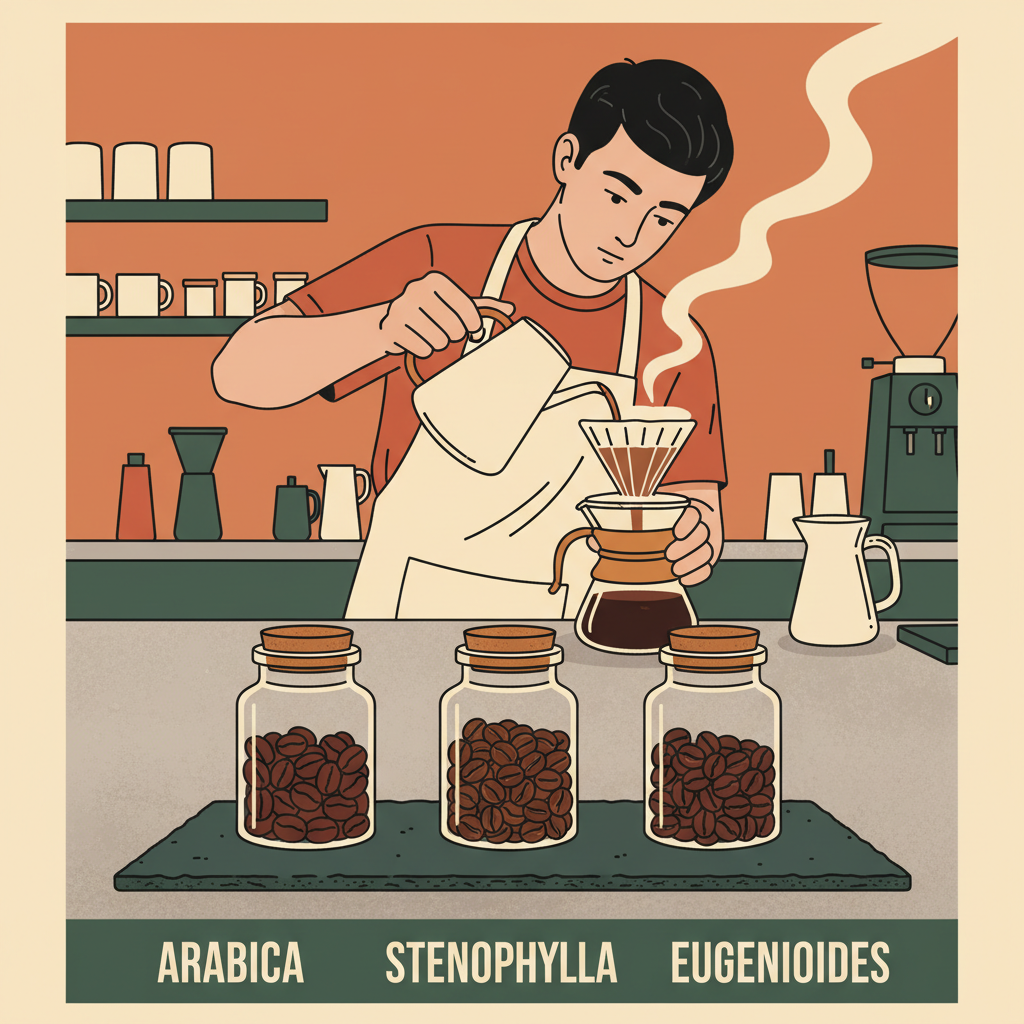
The winter of 2026 has brought more than just a chill to the streets of Collingwood and Fitzroy; it has brought a fundamental shift in what we consider 'premium' coffee. If you have stepped into any specialty coffee Melbourne institution lately, you might have noticed a new name dominating the reserve menus. Move over Geisha; the era of the 'Wild Species' has officially arrived. From the cupping labs of Marrickville to the laneways of the Melbourne CBD, the Australian coffee industry is currently obsessed with two rare species: Coffea stenophylla and Coffea eugenioides. This isn't just a gimmick for the coffee elite; it is a vital evolution in the face of a changing global climate, and Australia is leading the charge.
Why Arabica is Sharing the Spotlight in 2026
For decades, the Australian specialty coffee scene has been built on the back of Coffea arabica. Known for its sweetness and complexity, Arabica has long been the gold standard. However, as rising temperatures and erratic rainfall continue to plague traditional growing regions in Ethiopia, Colombia, and Brazil, the industry has reached a tipping point. In 2026, the scarcity of high-altitude Arabica has pushed Melbourne coffee roasters to look for alternatives that don't sacrifice flavour. Enter Stenophylla, often called the 'Highland Coffee of Sierra Leone.' This long-lost species was rediscovered and reintroduced to the market recently, proving to be far more heat-tolerant than Arabica while remarkably mimicking its complex, floral profile.
The Stenophylla Sensory Experience
What does a $25 pour-over of Stenophylla actually taste like? Having spent the last week visiting the best cafes in Melbourne, I can tell you the profile is startling. At Proud Mary in Collingwood, their latest Stenophylla lot offers an incredible jasmine aroma, followed by a bright, peach-nectar acidity and a surprisingly savoury finish that reminds one of high-end elderflower syrup. It lacks the heavy 'earthiness' often associated with Robusta, making it the perfect candidate for the discerning Australian palate.
Sydney’s Sweet Tooth: The Eugenioides Craze
While Melbourne is doubling down on the elegance of Stenophylla, the Sydney specialty coffee scene is currently undergoing a love affair with Coffea eugenioides. If you head to Single O in Surry Hills or Skittle Lane in the CBD, you’ll find this 'parent species' of Arabica being served as a boutique limited release. Eugenioides is famous for its naturally low caffeine content and an almost supernatural sweetness.
Why it’s Trending in Surry Hills
- Cereal Milk Sweetness: It naturally tastes like toasted marshmallows or malted milk, even without additives.
- Low Bitterness: The absence of caffeine means the typical 'coffee bitterness' is replaced by a silky, creamy mouthfeel.
- The 'Magic' Evolution: Sydney baristas are using Eugenioides to create a new version of the Australian flat white, where the natural sweetness of the bean interacts with precision-fermented dairy to create something that tastes more like a dessert than a morning wake-up call.
Leading the Charge: Australia’s Top Roasters
Several key players are making these rare species accessible to the public. If you’re looking to taste the future of coffee, these are the spots to watch in 2026:
- ONA Coffee (Brunswick & Marrickville): Known for their experimental approach, ONA has been at the forefront of the species-diversification movement, often featuring 'Species Flights' that allow you to compare Arabica, Stenophylla, and Eugenioides side-by-side.
- Market Lane (Prahran Market): Their commitment to sustainability has led them to partner with farmers in West Africa to secure some of the first commercially viable Stenophylla crops available in the southern hemisphere.
- Bellissimo (Fortitude Valley, Brisbane): Proving that the trend isn't just limited to the southern states, Brisbane third-wave coffee lovers are flocking to Bellissimo for their 'Resilience Series,' showcasing heat-hardy hybrids and wild species.
The Sustainability Factor: Coffee with a Conscience
The transition to rare species isn't just about new flavours; it’s about survival. By creating a market for Stenophylla, Australian coffee drinkers are directly supporting biodiversity. This prevents the industry from relying on a monoculture of Arabica that is increasingly vulnerable to pests and disease. When you order a wild species brew at a specialty cafe in Perth or a boutique roastery in Adelaide, you are participating in a global movement to future-proof the beverage we love. In 2026, being a 'coffee connoisseur' means more than just knowing your roast dates—it means understanding the botany behind the bean.
How to Order the 'Wild Species' Trend
Ready to dive in? Here is how to make the most of the rare species boom on your next cafe crawl:
- Ask for a Filter Brew: To truly appreciate the delicate nuances of Stenophylla, skip the milk. Order a V60 or Chemex to experience the clarity of the floral notes.
- Try the 'Frozen Bead' Method: Many Melbourne specialty coffee shops are now serving these rare lots using frozen coffee beads to lock in the volatile aromatics, a technique that perfectly complements the high-fructose sweetness of Eugenioides.
- Engage with the Barista: These beans are rare and often require specific brewing parameters. Ask about the 'Species Origin'—most baristas at places like Brother Baba Budan are eager to share the story of how these beans made it to Australia.
Conclusion: The Future is Wild
The rise of Stenophylla and Eugenioides in 2026 marks a turning point for the Australian coffee scene. We are moving away from the era of 'Arabica or nothing' and into a brave new world of botanical diversity. Whether you're sipping a sweet Eugenioides in a Sydney CBD cafe or exploring the floral depths of Stenophylla in Geelong, you are tasting the resilience of the coffee industry. The flat white might be our national icon, but the beans inside the machine are finally catching up to the 21st century. Stay curious, stay caffeinated, and don't be afraid to go wild.