The Nano-Lot Movement: Why Micro-Roasting is Taking Over Melbourne
Melbourne's coffee culture has hit a new peak in 2026 with the 'Nano-Lot' movement, where cafes roast ultra-small batches on-site for the ultimate fresh brew.
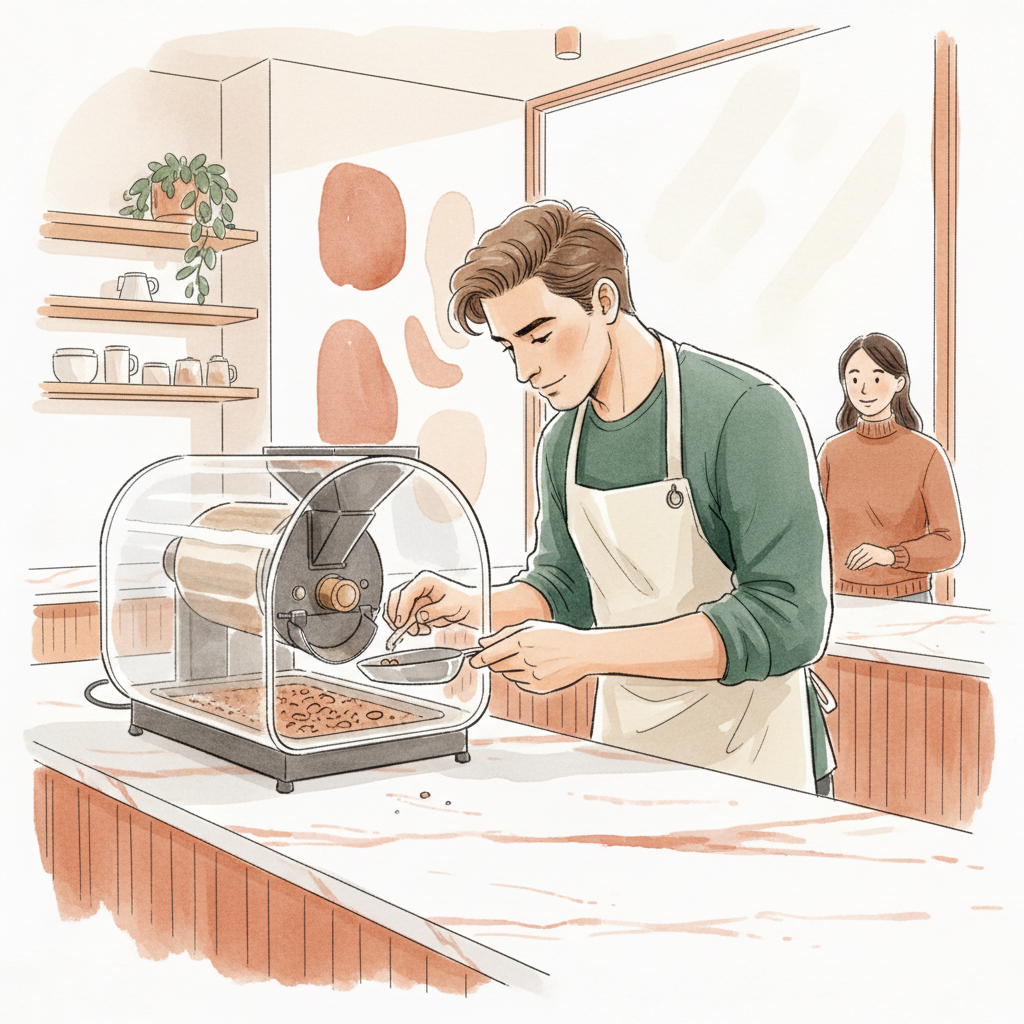
In 2026, the Australian coffee scene has moved beyond the 'Third Wave' and into something far more intimate. If you walk through the graffiti-lined laneways of Collingwood or the bustling streets of Surry Hills, you’ll notice a distinct change in the air. It’s not just the smell of freshly ground beans; it’s the sweet, toasted aroma of electric micro-roasters working in real-time. The 'Nano-Lot' movement has officially arrived, and it is redefining what we expect from the best cafes in Melbourne and beyond.
For years, the gold standard was sourcing beans from large-scale specialty roasters. But as we approach the middle of 2026, the power has shifted back to the individual cafe owner. By roasting in batches as small as 500 grams to 2 kilograms, local baristas are offering a level of traceability and freshness that was previously impossible. This isn't just coffee; it's a hyper-local craft.
What Exactly is Nano-Lot Coffee?
While 'micro-lots' refer to specific sections of a farm, Nano-Lots in the 2026 context refer to the roasting process itself. Cafes are now utilizing advanced, ventless electric roasting technology—like the latest Bellwether or Stronghold systems—to roast exclusive, tiny quantities of beans right behind the counter.
This allows for:
- Extreme Freshness: Beans roasted this morning are served this afternoon.
- Seasonal Agility: Cafes can change their single-origin offering every single day.
- Zero Emissions: The shift to electric roasting aligns with Australia’s 2026 sustainability goals, moving away from traditional gas-powered drums.
Melbourne: The Epicenter of the Nano-Roast
It’s no surprise that Melbourne specialty coffee is leading this charge. In suburbs like Fitzroy and Cremorne, the 'theatre of the roast' has replaced the 'theatre of the pour.'
At new hotspots like Volt & Bean in Collingwood, customers can watch their specific bag of Ethiopian Yirgacheffe undergo a precision roast profile while they sip their morning Australian flat white. The transparency is total; you see the raw green beans go in and the shimmering brown gold come out. This hyper-local approach has made these spots some of the best cafes in Melbourne for purists who demand to know every step of the supply chain.
The Rise of 'The Roasting Barista'
The role of the barista has evolved. In 2026, a top-tier barista in Adelaide or Perth isn't just a master of latte art; they are a profile designer. They adjust the roast curve based on the morning’s humidity and the specific density of the beans. This level of control means that the Sydney specialty coffee scene, particularly in Marrickville, is producing flavor notes—think sparkling hibiscus and fermented peach—that were muted in larger commercial roasts.
Sydney and Brisbane: Luxury and Localism
While Melbourne focuses on the grit and craft, Sydney's nano-lot scene is leaning into luxury. In Surry Hills, boutique cafes are pairing nano-roasts with high-end degustation menus. You might find a 50g 'tasting flight' of a rare Panamanian Geisha, roasted specifically for that day's service.
Meanwhile, in Brisbane, the West End is seeing a surge in 'Community Roasters.' These are spaces where local residents can bring in green beans—often sourced through direct-trade apps—and use the cafe's electric roaster for a small fee. It’s a democratisation of coffee that is uniquely Australian, blending our love for technology with our deep-rooted sense of community.
Why This Matters for the Australian Flat White
You might wonder: does this really change my daily brew? The answer is a resounding yes. Because nano-roasting allows for such precision, the milk-based drinks we love, like the Australian flat white, are becoming more complex.
By roasting specifically to highlight the sugars that pair with alternative milks (like the nitrogen-infused macadamia milks trending this year), baristas are creating a more harmonious cup. The 'burnt' or 'ashy' aftertaste of over-roasted commercial beans is becoming a thing of the past in the Perth and Hobart specialty scenes.
How to Spot a Nano-Roastery
If you're hunting for the ultimate cup on your next coffee crawl, look for these three signs:
- The Counter-Top Roaster: A sleek, fridge-sized machine, often with a glass front showing the beans tumbling.
- Daily Roast Slips: Menus that feature a 'Roasted On' date that is the same as today's date.
- The Green Bean Jar: A display of the unroasted green seeds next to the final product, emphasizing the raw-to-cup journey.
The Verdict: A New Era of Freshness
The nano-lot movement is more than just a gimmick; it’s a commitment to quality, sustainability, and the local economy. As we move through 2026, the distance between the farm and your cup continues to shrink. Whether you are exploring Brisbane third-wave coffee or the hidden gems of Adelaide, the message is clear: the freshest roast is the best roast.
Next time you're in the city, skip the big chains and find a cafe that roasts its own. Your palate—and the planet—will thank you.