The Mycelium-Fermented Micro-Lot: Sydney’s Best 2026 Coffee Trend
Move over anaerobic fermentation—2026 belongs to the fungi. Explore how Sydney and Melbourne's top roasters are using mycelium to create the most complex, umami-rich coffee in Australian history.
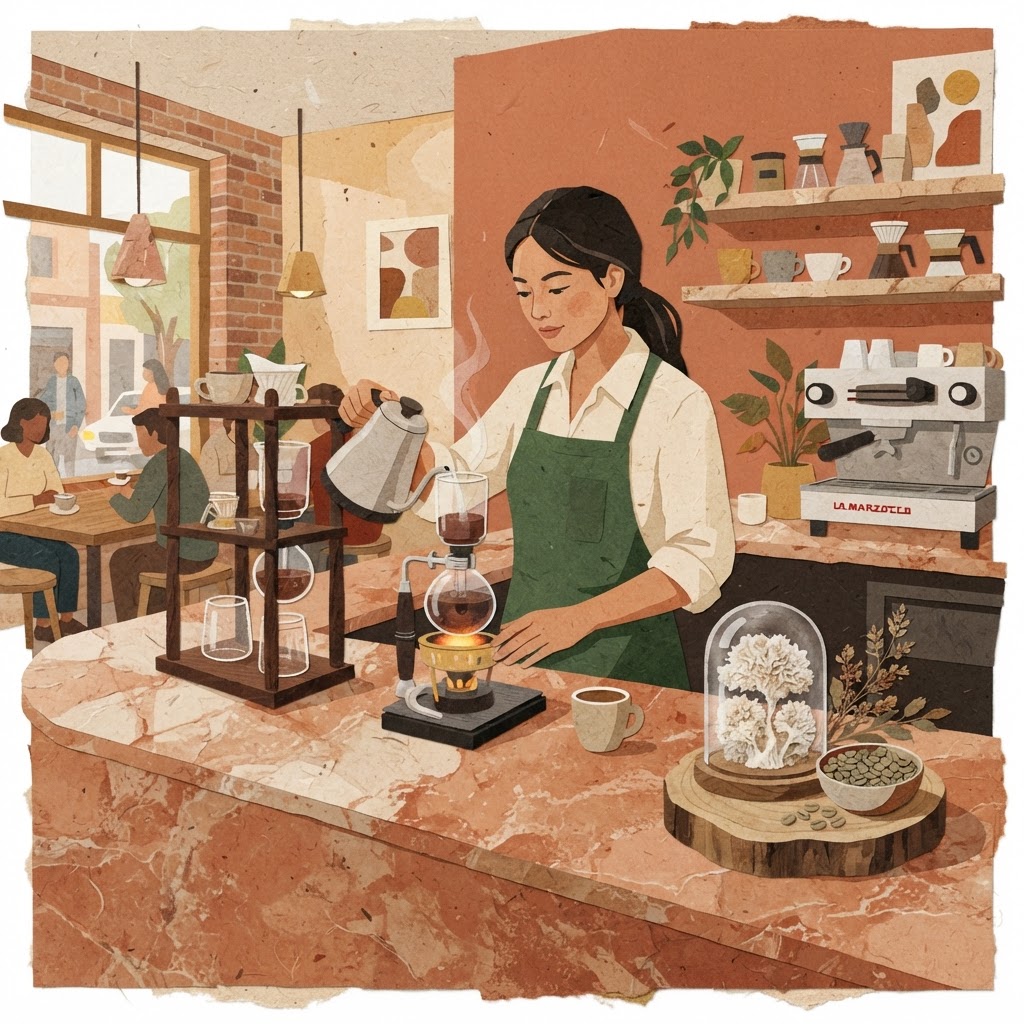
Sydney’s Marrickville has always been the beating heart of Australian coffee experimentation, but as of July 2024, the scent of roasting beans has taken on a decidedly earthy, sophisticated new note. We aren't talking about the mushroom-powder lattes of the early 2020s. This is something far more revolutionary: Mycelium-Fermented Micro-Lots. This cutting-edge processing method is currently sweeping through the Sydney specialty coffee scene and finding a second home in the industrial-chic roasteries of Collingwood and Brunswick in Melbourne.
While the Australian coffee industry has spent the last few years perfecting anaerobic and thermal shock processing, 2026 is the year we embrace the fungal kingdom. By introducing specific strains of mycelium—the root structure of mushrooms—to green coffee cherries during the fermentation stage, roasters are unlocking flavour profiles that were previously thought impossible. The result? A cup that balances peak sweetness with a haunting, savory depth.
The Science of the Spore: What is Mycelium Fermentation?
Unlike the 'functional mushroom' additives of the past, mycelium fermentation happens at the origin or within controlled 'fermentation labs' in cities like Sydney and Brisbane. Roasters like Single O and Ona are partnering with bio-scientists to introduce cultures like Reishi or Lion’s Mane mycelium into the fermentation tanks.
During this process, the mycelium breaks down the bitter alkaloids and chlorogenic acids in the beans, replacing them with complex polysaccharides and amino acids. This doesn't make the coffee taste like a button mushroom; rather, it enhances the bio-availability of sugars and creates a texture that is incredibly silky, almost buttery, on the palate. For the best cafes in Melbourne, this has become the 'gold standard' for high-end filter pours in mid-2026.
Sydney’s 'Umami Wave' in Surry Hills and Alexandria
If you find yourself wandering through Surry Hills this week, you’ll notice that the chalkboards at the city's top-tier espresso bars are highlighting 'Fungal-Processed' lots. Sydney roasters have leaned heavily into the savory-sweet spectrum. These beans often exhibit notes of salted maple, dark cocoa, and a distinct forest-floor earthiness that cuts through milk like a dream.
At the forefront of this movement are the Alexandria roasteries, where tech-forward setups allow for the precise temperature control required for mycelium to thrive. The Sydney specialty coffee enthusiast is no longer just looking for 'fruity' or 'nutty'; they are looking for 'depth,' and mycelium-fermented beans provide a lingering finish that stays with you long after the last sip of your Australian flat white.
Why Melbourne is Obsessed with the 'Fungal Filter'
While Sydney focuses on the body and espresso applications, Melbourne coffee culture has taken the mycelium trend into the realm of pour-over excellence. In the laneways of the CBD and the warehouse cafes of Fitzroy, the focus is on 'Clean Mycelium' processing.
- Market Lane and other industry leaders are showcasing light-roast versions of these beans.
- The fermentation process reduces the 'harshness' of high-altitude beans.
- It allows for a more sustainable approach to lower-scoring lots, elevating them to specialty grades.
Melbourne baristas are reporting that these beans are exceptionally stable, meaning the best cafes in Melbourne can offer a consistent, high-end experience even as global temperatures make traditional high-altitude farming more volatile.
What Does Mycelium-Fermented Coffee Taste Like?
If you’re worried about your morning brew tasting like a risotto, breathe easy. The influence of the mycelium is structural rather than literal. When you order a mycelium-fermented brew at a Brisbane third-wave coffee shop or a boutique Perth roastery, expect the following:
- Enhanced Sweetness: A massive boost in natural sucrose perception.
- Silky Mouthfeel: A coating, velvet-like texture that makes even black coffee feel 'creamy'.
- Umami Undertones: A savory complexity similar to high-grade ceremonial matcha or aged balsamic.
- Low Bitterness: The fungal enzymes naturally 'pre-digest' the compounds that usually cause astringency.
Where to Experience the Trend in July 2026
If you’re looking to stay ahead of the curve, there are a few key spots across Australia where the mycelium revolution is in full swing.
In Sydney, head to the backstreets of Marrickville where micro-roasters are experimenting with 'Native Australian Fungi' cultures. In Adelaide, the specialty scene in the East End has begun incorporating these beans into their 'tasting flights,' comparing traditional washed beans against their mycelium-fermented counterparts.
Perth’s specialty coffee scene, always one for bold moves, has even started using mycelium-fermented beans in their chilled 'Flash-Brew' cans, which have become a staple for the 2026 winter-sun beach days at Cottesloe.
The Future of Australian Specialty Coffee
As we look toward the remainder of 2026, it’s clear that the mycelium-fermented micro-lot is more than just a gimmick. It represents a marriage of biology and craft that addresses both flavour innovation and the need for more resilient coffee processing.
Whether you’re a die-hard espresso lover in Hobart or a filter fanatic in Brisbane, the message is clear: keep an eye on the fungi. The next time your barista mentions a 'mycelium lot,' don't hesitate. It’s the most exciting development in the Australian coffee scene this decade, offering a glimpse into a future where science and soul meet in every cup. Don't miss out on the umami revolution—it's earthy, it's ethical, and it's undeniably Australian.