The Native Yeast Revolution: Sydney’s Best New Coffee Trend in 2026
Move over anaerobic fermentation. In mid-2026, Sydney’s elite roasters are utilizing wild Australian yeast strains to create a flavor profile that is scientifically and sensory-distinctive.
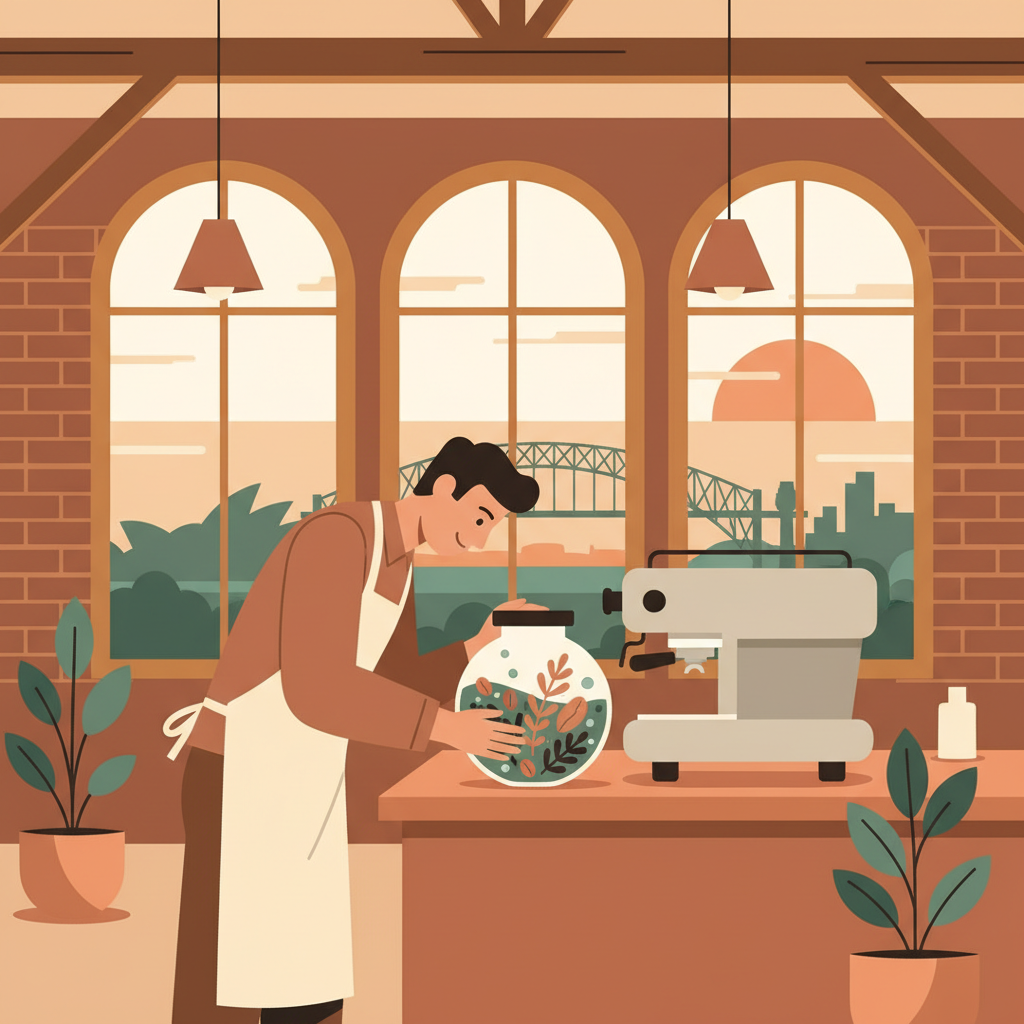
It is June 28, 2026, and if you walk into any high-end roastery in Surry Hills or Marrickville, you’ll notice a distinct shift in the air. The conversation has moved past the 'frozen bean' craze of last year and the 'anaerobic' obsession of 2024. Today, the most discerning palates in the Sydney specialty coffee scene are focused on one thing: Native Yeast Fermentation.
By leveraging Australia’s unique biodiversity, local roasters are no longer just roasting beans—they are partnering with microbiologists to cultivate wild yeast strains from the Australian bush and applying them to the fermentation process of green coffee. The result? A cup that tastes like nowhere else on Earth. This isn't just a gimmick; it’s the evolution of Australian coffee culture.
What is the Native Yeast Revolution?
For decades, coffee processing was largely left to the traditional methods of the origin countries (washed, natural, or honey). However, as we hit the midpoint of 2026, the best cafes in Sydney and Melbourne have started taking control of the 'biological stage' of coffee production.
Instead of using commercial yeasts or standard fermentation tanks, roasters are importing 'honey-processed' or 'parchment' coffee and finishing the fermentation locally using proprietary Australian wild yeast strains. These microbes, often sourced from native flora like the Banksia or Eucalypt, interact with the sugars in the coffee mucilage to produce esters and compounds that are chemically unique to the Australian environment.
Why Sydney is Leading the Charge
While Melbourne’s thriving coffee scene usually claims the title of innovator, Sydney has taken the lead on the bio-fermentation front. Suburbs like Alexandria and Darlinghurst have become hubs for 'microbe-tech' coffee labs.
- Artificer in Surry Hills has been experimenting with a 'Desert Lime Yeast' that brings an effervescent acidity to high-altitude Ethiopian beans.
- Edition Coffee Roasters is currently showcasing a batch of Panamanian Geisha fermented with yeasts harvested from the Blue Mountains, resulting in a creamy, stone-fruit profile that is unparalleled.
- Reuben Hills continues to push boundaries by collaborating with University of Sydney researchers to map the 'flavor genome' of yeasts found in the Royal Botanic Garden.
The Flavor Profile: Beyond the Traditional Flat White
When you order an Australian flat white in 2026, you expect a certain level of excellence. But the native yeast trend is changing the fundamental DNA of that drink. Traditional notes of chocolate and caramel are being replaced—or enhanced—by what baristas are calling 'The Continental Profile.'
Common tasting notes in native yeast brews include:
- Wild Floral Honey: A deep, complex sweetness that lingers longer than cane sugar.
- Native Botanical Zest: Hints of lemon myrtle and finger lime that appear naturally through the fermentation process, not through additives.
- Structured Creaminess: A mouthfeel that feels more like a heavy silk, even in black filter coffee.
How to Experience the Trend in Other Cities
While Sydney may be the epicenter, the rest of the country is catching on fast. In Melbourne, the industrial chic roasteries of Fitzroy and South Melbourne are integrating these yeasts into their seasonal 'Project Blends.' Cafes like St Ali and Industry Beans are now offering 'Yeast Flights,' where you can taste the same bean fermented with three different native strains.
Up north, Brisbane’s specialty coffee community in New Farm and West End is focusing on tropical yeast strains. The heat and humidity of Queensland provide a natural incubator for faster, punchier fermentations, leading to coffee that tastes like a tropical fruit salad. Veneziano Coffee Roasters in Brisbane has recently debuted a 'Q-Strain' series that has become the talk of the town among local caffeine hunters.
In Perth, the focus is on coastal yeasts from the Margaret River region, which add a subtle, savory salinity to the finish of the coffee—a perfect match for the WA lifestyle.
The Sustainability and Ethics Angle
What makes the native yeast revolution particularly '2026' is its focus on sustainability. By enhancing the flavor profile of lower-scoring beans through precision fermentation, roasters can pay higher prices to farmers for 'standard' crops that now taste like 'competition grade' lots. This provides a more stable income for producers in regions hit hard by climate change, while the fermentation itself is a low-energy, natural process.
Furthermore, the use of Australian native microbes celebrates local heritage without the need for synthetic flavorings or heavy processing chemicals. It is the pinnacle of the 'clean label' movement in the coffee world.
Conclusion: The Future is Microscopic
As we look toward the latter half of 2026, it’s clear that the 'Third Wave' of coffee has been replaced by a new era of biological precision. The best cafes in Sydney are no longer just places to get a caffeine hit; they are sensory laboratories where the wild microbes of the Australian landscape meet the best beans the world has to offer.
Whether you are a die-hard fan of the classic Australian flat white or a pour-over purist, the native yeast revolution offers a new way to experience your morning brew. Next time you’re in a specialty shop, don’t just ask about the origin—ask about the yeast. Your palate will thank you.