The Post-Milk Revolution: Melbourne’s New Era of Cow-Free Dairy
Is the traditional flat white under threat? Discover how precision-fermented, lab-grown dairy is transforming the specialty coffee scene in Melbourne and Sydney, offering a sustainable future for every cup.
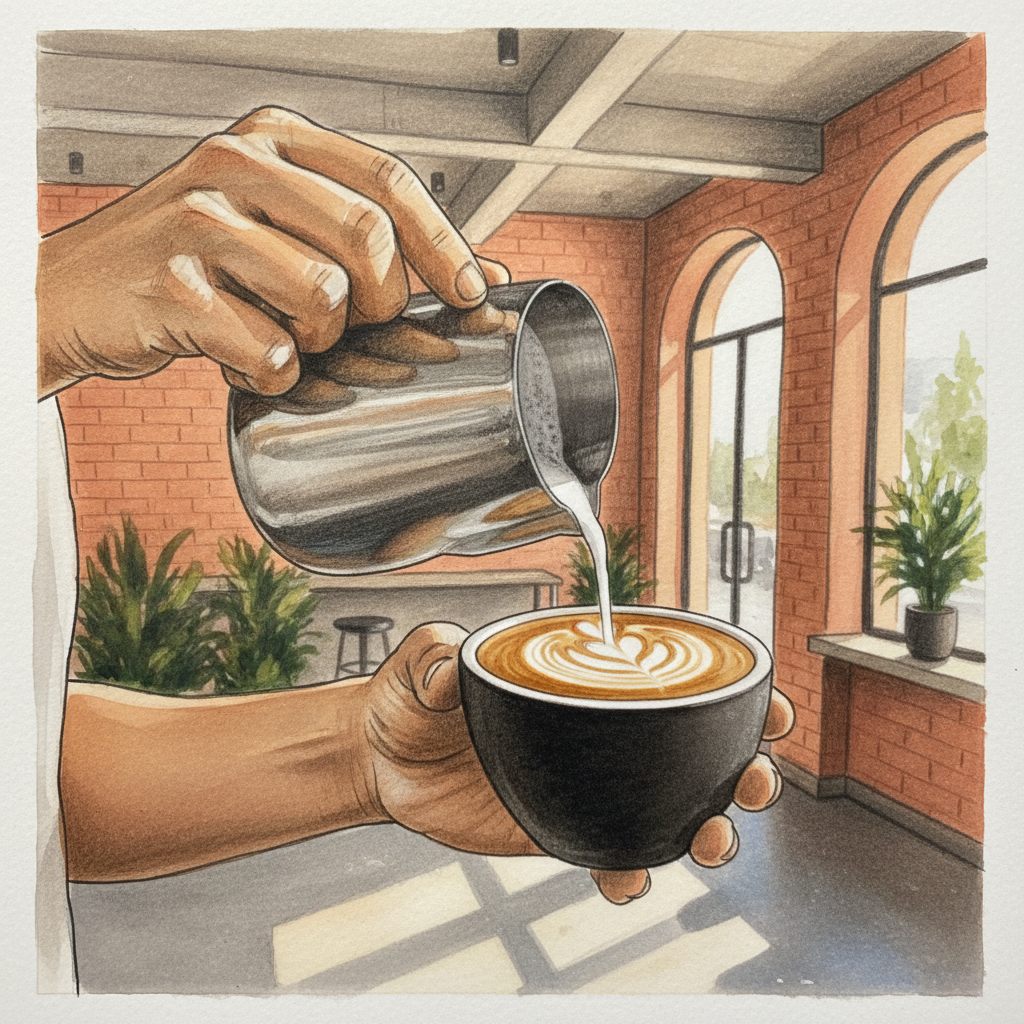
Morning in Melbourne has always had a specific soundtrack: the rhythmic thud of a portafilter, the hiss of the steam wand, and the chatter of locals in Fitzroy or Brunswick waiting for their first caffeine hit. But as we move through 2026, that steam wand is frothing something fundamentally different. The era of 'alternative milks'—those nutty, sometimes watery substitutes like almond and soy—is being eclipsed by a newcomer that is shaking the very foundation of the Australian flat white. Welcome to the age of precision-fermented dairy.
For decades, the choice was simple: dairy or plant-based. In 2026, the best cafes in Melbourne are offering a third way. This isn't milk from a cow, nor is it squeezed from an oat. It is real dairy protein, molecularly identical to the traditional stuff, but brewed by micro-flora in a fermentation tank. For the purists at Seven Seeds or St. Ali, this is the holy grail: a sustainable, ethical milk that actually behaves, tastes, and foams like the real thing.
What Exactly is Precision Fermentation?
To understand why this is the biggest Melbourne coffee trend in 2026, we have to look at the science. Precision fermentation uses yeast or fungi that have been 'programmed' to produce whey and casein—the proteins that give cow's milk its unique texture and frothability. The result is a 'cow-free' dairy milk that contains no lactose, no cholesterol, and, most importantly, has a carbon footprint that is up to 90% lower than traditional industrial farming.
In the high-stakes world of Sydney specialty coffee, where the texture of a micro-foam can make or break a barista's reputation, this technology is a game-changer. Unlike oat milk, which can sometimes mask the delicate floral notes of a light-roast Ethiopian Yirgacheffe, precision-fermented dairy provides that neutral, creamy canvas that allows the bean's true character to shine. In cafes across Surry Hills and Marrickville, baristas are reporting that customers can’t even tell the difference in a blind taste test.
Melbourne: The Epicenter of the Shift
It’s no surprise that Melbourne is leading the charge. Places like Industry Beans in Fitzroy have already integrated these bio-identical milks into their standard menu. When you walk into a top-tier shop on Lygon Street, you’re increasingly likely to see 'Fermentation-Derived Dairy' as the default option rather than a 50-cent surcharge 'extra.'
The Barista’s Verdict
"It’s the elasticity," says one head barista at a busy Collingwood roastery. "With plant milks, you’re always fighting against the proteins to get that silky, glossy finish required for high-end latte art. With this new tech, the proteins are exactly what they should be. It stretches perfectly, it holds the pattern, and it doesn't split when it hits a high-acidity espresso shot." This reliability is why it's becoming the gold standard for the Australian flat white in 2026.
From Sydney to Brisbane: A Nationwide Movement
While Melbourne might be the spiritual home of the movement, the rest of the country isn't far behind. The Sydney specialty coffee scene, led by innovators like Single O and Reuben Hills, has embraced the sustainability aspect of cow-free dairy to meet ambitious 'Net Zero' cafe targets. In the humid climate of Brisbane, the Brisbane third-wave coffee community is finding that these milks have a longer shelf life and better stability in the heat than traditional dairy.
In Perth, the specialty scene is using these milks to highlight their incredible local roasts, while Adelaide’s boutique coffee shops are seeing a massive uptake among the Gen Alpha and Gen Z demographics who demand climate-positive choices without sacrificing the luxury of a creamy latte. Even in Hobart, where local produce is king, the environmental benefits of reducing land use for dairy farming are resonating with the eco-conscious coffee crowd.
Why This Matters for the Future of Australian Coffee
Australia’s coffee culture has always been defined by its willingness to innovate. From the invention of the flat white to the obsession with pressure profiling, we’ve never been afraid to experiment. The shift to precision-fermented dairy is more than just a fad; it’s a response to a changing climate and a more informed consumer base.
As we look at the landscape of the best cafes in Melbourne and beyond, the focus is shifting toward 'radical transparency.' Customers want to know the nitrogen levels of the soil where their beans were grown, and now, they want to know the carbon cost of the milk in their cup. By removing the cow from the equation, Australian cafes are securing the future of the industry, ensuring that our daily ritual doesn't come at the cost of the planet.
Where to Taste the Future Today
If you're looking to try this for yourself, head to any of the major specialty hubs. In Melbourne, look for the 'Bio-Cream' logo on the menu. In Sydney, ask your barista about 'Molecular Milk.' It might sound like science fiction, but one sip of a perfectly poured, cow-free flat white will convince you: the future of coffee has arrived, and it tastes exactly like home.
In conclusion, 2026 is the year we stop compromising. We no longer have to choose between the creamy texture we love and the environmental values we hold. Whether you’re in Brisbane, Adelaide, or Perth, the post-milk revolution is pouring now. Next time you're at your local, skip the almond and go for the fermentation; your taste buds (and the Earth) will thank you.