The Regional Coffee Boom: Why Geelong and Newcastle are 2026’s Top Picks
As city rents climb, Australia's best roasters are heading regional. From Geelong to Newcastle, discover the new destination cafes defining the Australian specialty coffee scene in 2026.
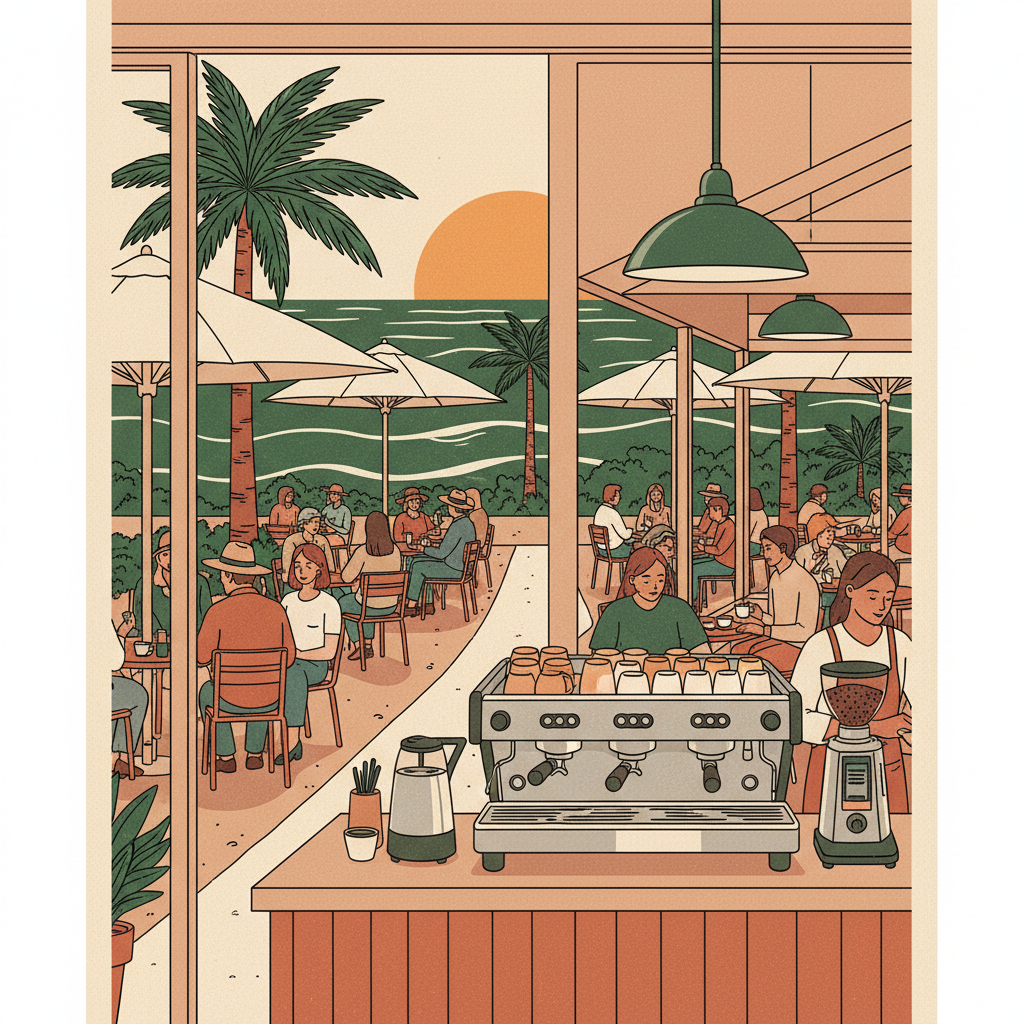
In 2026, the heart of the Australian specialty coffee scene is no longer just beating in the graffiti-laden alleyways of Melbourne or the high-rise corridors of the Sydney CBD. We are currently witnessing a massive geographic shift as the 'Regional Coffee Boom' takes full flight. For years, the best cafes in Melbourne and the most innovative Sydney specialty coffee bars set the global standard. However, as of June 2026, the most exciting developments in brewing technology, bean sourcing, and cafe design are happening in regional hubs like Geelong, Newcastle, and the Sunshine Coast.
This shift isn't just about escaping high city rents; it is a fundamental transformation of how Australians consume their daily brew. With remote work now a permanent fixture of our professional lives, the demand for world-class, third-wave coffee has moved to where people actually live. If you are looking for the next frontier of the Australian flat white, it is time to look outside the metropolitan borders.
The Geelong Renaissance: Victoria’s New Specialty Powerhouse
Geelong has officially shed its 'sleepy satellite city' reputation to become a legitimate rival to the best coffee in Melbourne. In 2026, the industrial heritage of the city is being repurposed into massive, multi-functional roasting facilities that would make any Fitzroy hipster jealous.
Roasters like Cartel Coffee Roasters and Preachers have led the charge, proving that you don't need a 3000-postcode to produce 90+ point specialty beans. The trend here is 'Experimental Industrialism'—cafes that are half-roastery, half-laboratory, often featuring precision brewing equipment that rivals the top labs in the world.
Why Geelong is Trending in 2026:
- Spacious Roasteries: Unlike cramped city sites, Geelong's converted warehouses allow for large-scale solar-powered roasting and dedicated cupping rooms for the public.
- The Micro-Lot Focus: Many Geelong roasters are now bypassing city-based importers to establish direct-trade relationships with farmers in Ethiopia and Colombia specifically for their regional boutiques.
- Community Integration: These cafes serve as community hubs, offering barista training and home-brewing workshops that are often booked out weeks in advance.
Newcastle: The Coastal King of NSW Roasts
While Sydney specialty coffee remains iconic, Newcastle has emerged as the true innovator of the NSW coast. The Newcastle scene in 2026 is defined by a unique blend of 'Surfer Chill' and 'High-Tech Extraction'. The city has become a magnet for talent, with many head baristas from Surry Hills and Marrickville migrating north for the lifestyle, bringing their expertise with them.
Floozy Coffee Roasters and Edition Coffee (which has expanded its regional presence) are just two examples of why the 'Newy' scene is thriving. Here, the focus is on sustainability and transparency. You’ll find cafes that utilize AI-driven inventory management to reduce waste and offer 'subscription-only' bean bars where regulars can access ultra-exclusive Gesha lots.
The Rise of the 'Destination Cafe'
What makes the 2026 regional boom different from previous years is the concept of the Destination Cafe. Australians are now more willing than ever to drive two hours specifically for a cup of coffee. These aren't just pit-stops; they are the main event.
In places like the Gold Coast hinterland or the Margaret River region in WA, cafes are integrating into the landscape. We are seeing:
- Farm-to-Cup Experiences: Cafes located on the same property where native Australian 'coffee alternatives' or specialty botanicals are grown.
- Architecture as an Attraction: Regional cafes are winning design awards for their integration with nature, using sustainable Australian timbers and passive cooling systems.
- Exclusive Regional Blends: Roasters are creating 'Regional Origin' blends that are only available at their specific regional locations, driving coffee tourism through the roof.
How the Australian Flat White is Evolving
Even our national drink is changing thanks to this regional influence. In 2026, the Australian flat white is no longer a one-size-fits-all beverage. In regional hubs, we are seeing a focus on locally-sourced alternative milks. Whether it’s macadamia milk from the Northern Rivers or oat milk produced in Western Australia's wheat belt, the regional movement is hyper-local.
Baristas in these areas are also experimenting with 'Temperature Profiling'—serving flat whites at slightly lower temperatures to highlight the sweetness of these locally-produced milks, a trend that started in Brisbane third-wave coffee circles and has now permeated the regional scene.
Is the City Coffee Scene Over?
Does this mean the best cafes in Melbourne or the top spots in Sydney are losing their edge? Not at all. Instead, the regional boom is forcing city cafes to innovate even further. We are seeing a healthy competition where city bars focus on high-speed, high-tech efficiency, while regional cafes focus on 'Slow Coffee' and experience-based visits.
The result for the Australian consumer is better coffee everywhere. Whether you are in a Newcastle surf club or a Geelong refurbished wool store, the standard of specialty coffee in Australia in 2026 has never been higher.
Conclusion: The New Map of Australian Coffee
The geography of great coffee has changed. As we move through 2026, the smart coffee lover is looking toward the coast and the country. The regional boom has democratized high-end coffee, taking it out of the hands of the inner-city elite and giving it back to the community. Next time you’re planning a weekend away, don't just look for a hotel—look for the roastery. The future of Australian coffee is regional, sustainable, and incredibly delicious.