The Single-Tree Revolution: Melbourne and Sydney’s New Coffee Peak
Move over micro-lots. In 2026, Australia's elite coffee drinkers are chasing single-tree harvests. Explore how Melbourne and Sydney are leading this hyper-transparent coffee movement.
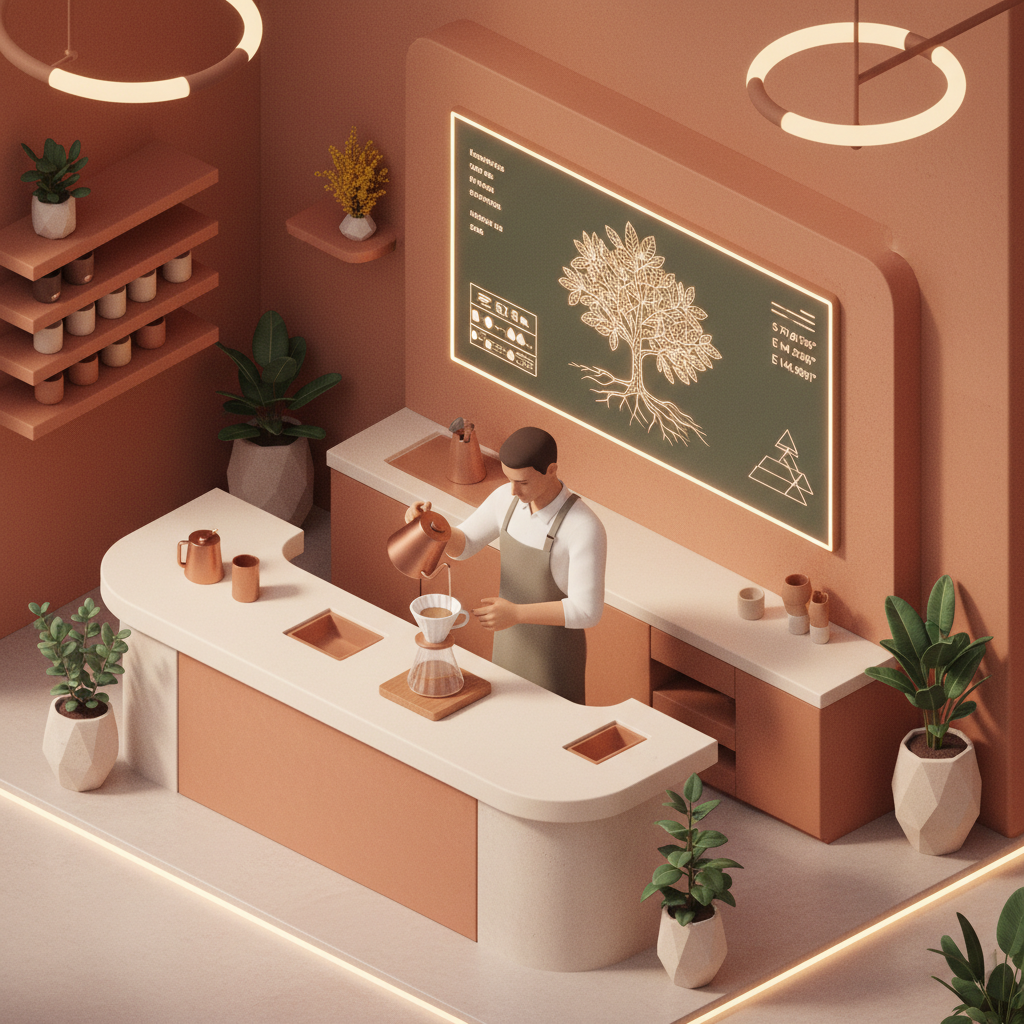
As we move into the winter of 2026, the Australian coffee landscape has shifted once again. We have moved past the era where 'single origin' was enough to impress the discerning palate. Today, the best cafes in Melbourne and the most forward-thinking Sydney specialty coffee bars are talking about something much more precise: the Single-Tree Revolution. This movement represents the absolute pinnacle of traceability, where a cup of coffee is no longer just from a specific farm or even a specific lot, but harvested entirely from one individual coffee tree. It is a trend that is currently sweeping through the inner-city suburbs of Collingwood, Surry Hills, and Newstead, offering a level of intimacy with the producer that was previously unimaginable. ## From Micro-Lots to Single Trees: The New Gold Standard For years, the third-wave movement focused on the micro-lot—a small section of a farm with specific soil and shade conditions. However, in 2026, the rise of precision agriculture and AI-integrated harvesting has allowed roasters like Proud Mary in Collingwood and Ona Coffee in Marrickville to offer 'Single-Tree' releases. These are rare, ultra-limited batches that capture the unique genetic expression of a single plant. The Australian flat white remains a staple, but for the true enthusiast, the experience has moved toward the 'Pure Expression' filter bar. By isolating the harvest of a single tree, roasters can showcase the impact of micro-climates at a granular level. One tree might receive five more minutes of morning sun than its neighbor, or benefit from a specific nutrient pocket in the soil, resulting in a flavor profile that is distinct and unrepeatable. ### Why Melbourne is Leading the Charge In the leafier pockets of Brunswick and the industrial-chic alleys of South Melbourne, the demand for these exclusive lots has created a new kind of 'Coffee Stock Exchange.' At St. Ali, the conversation has moved toward the 'Tree-ID,' a digital passport for each cup that consumers scan to see the exact GPS coordinates and soil health data of the plant their coffee came from. Melbourne specialty coffee has always been about the narrative, and there is no narrative more compelling than the story of a single plant's season. The scarcity is part of the appeal; a single tree might only produce enough cherries for five or ten cups of roasted coffee per year, making these sessions a highly sought-after event. ## Sydney’s Sensory Tasting Bars While Melbourne focuses on the data and the roast profile, Sydney specialty coffee culture is leaning into the sensory experience. In the high-end tasting rooms of Surry Hills and Alexandria, cafes like Artificer and Reuben Hills are designing immersive environments to match these single-tree offerings. These aren't your typical quick-stop shops; they are temples to the bean where the Australian coffee ritual is performed with surgical precision. Using specialized glassware designed to accentuate the volatile aromatics of single-tree Gesha and Sidra varieties, Sydney baristas are guiding customers through 'vertical tastings.' You might taste the harvest of a 20-year-old tree alongside its 5-year-old offspring, experiencing the evolution of the plant's flavor over time. It is a level of education that is solidifying Australia’s reputation as the global leader in coffee innovation. ## The Tech Behind the Trend: Blockchain and Bio-Mapping You might wonder how we can be certain that the coffee in our cup actually comes from a single tree in Ethiopia or Colombia. The answer lies in the blockchain integration that has become standard for top-tier Australian roasters in 2026. Every bag is tagged with a biometric sensor at the point of picking. This ensures that the chain of custody is never broken. This transparency isn't just for show—it ensures that the farmers are being paid a true 'single-tree' premium, which is often 500% higher than standard fair-trade prices. For the environmentally conscious Brisbane third-wave coffee scene, particularly in areas like West End and Fortitude Valley, this technology also tracks the carbon sequestration of that specific tree. It turns a simple morning beverage into a tangible contribution to regenerative agriculture. Consumers at best cafes in Brisbane are increasingly choosing their brew based on the environmental data projected onto the cafe walls. ## What This Means for the Everyday Drinker You might ask if the Single-Tree Revolution is only for the elite. While the price point for a single-tree filter brew can reach upwards of $30, the influence of this trend is trickling down to the everyday Australian flat white. The focus on tree-health and precision picking is improving the quality of larger lots across the board. Even in the more traditional cafe scenes of Adelaide and Perth, we are seeing a 'Single-Estate' baseline becoming the norm, driven by the standards set by the single-tree pioneers. Whether you are visiting a Sydney specialty coffee bar or a small micro-roaster in the Adelaide Hills, the expectation for transparency has never been higher. ## Conclusion The Single-Tree Revolution is more than just a luxury trend; it is a testament to the Australian coffee industry’s obsession with quality and ethical transparency. By focusing on the smallest possible unit of production—the individual plant—roasters and cafes in Melbourne, Sydney, and beyond are redefining what it means to truly understand where our food and drink come from. As we look toward the rest of 2026, expect to see more 'Single-Tree' menus popping up in your local suburb, bringing the world of the farmer directly into the hands of the Australian coffee lover.