The Solar-Roasted Revolution: Brisbane and Perth’s Best Off-Grid Coffee
In 2026, the Australian coffee scene is looking to the sun. Discover how Brisbane and Perth are leading a solar-powered roasting movement that is as sustainable as it is delicious.
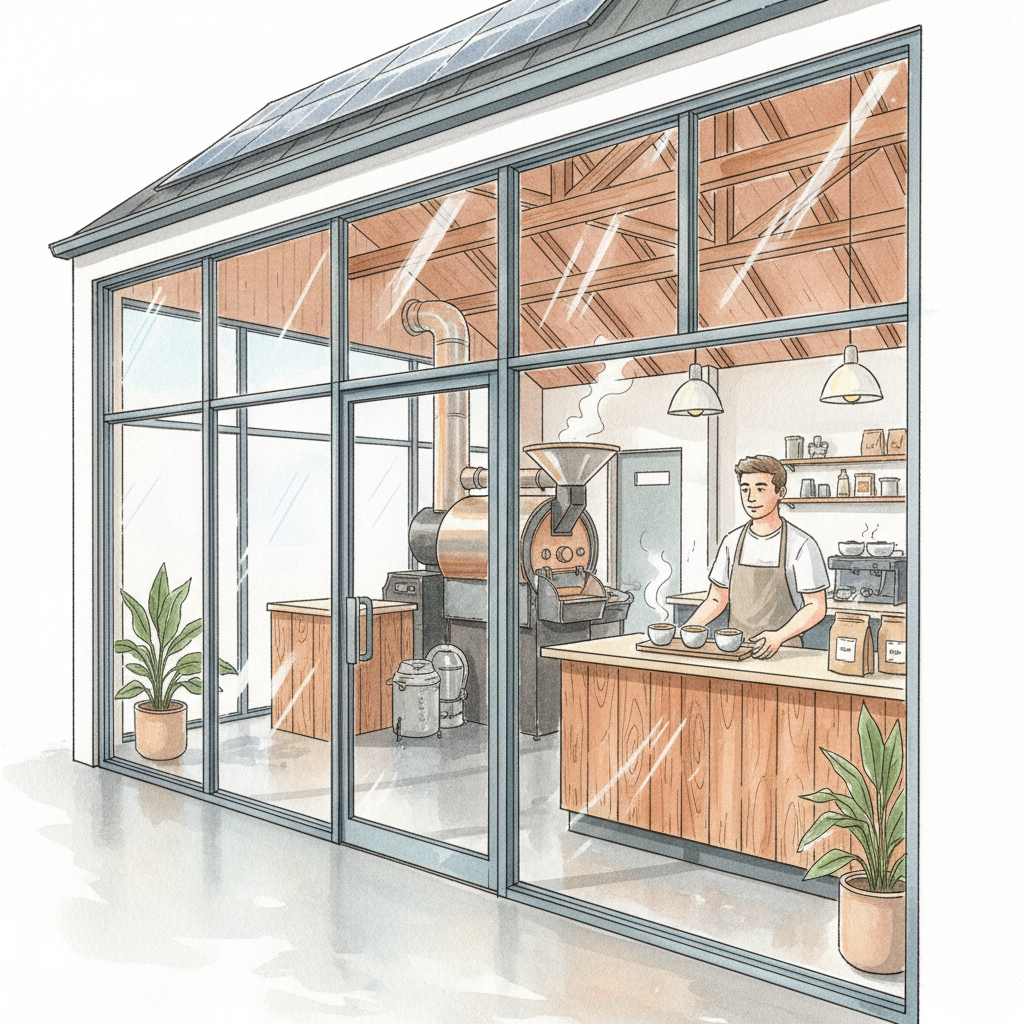
As we pass the mid-way point of 2026, the Australian specialty coffee landscape has found its new North Star—or rather, its new Sun. While the previous years were defined by experimental fermentation and high-tech acoustics, this winter has seen a definitive shift toward the Solar-Roasted Revolution. In the sun-drenched capitals of Brisbane and Perth, a new generation of roasters is proving that the future of the Australian flat white isn't just about the bean, but the energy used to crack it.
The Rise of the Off-Grid Roastery
For decades, the industry relied heavily on natural gas to power the traditional drum roasters that define our morning brews. However, soaring energy costs and a collective push for genuine carbon-negative operations have birthed a new movement: solar-thermal and precision-electric roasting. In 2026, the most sought-after bags on the shelves of Sydney specialty coffee shops and Melbourne's iconic laneways are sporting 'Solar-Certified' stickers.
Leading the charge are the sunshine states. With over 300 days of sunlight a year, Brisbane has become the testing ground for industrial-scale solar roasting. This isn't just about sticking a few panels on a roof; we are talking about custom-built, off-grid facilities that use concentrated solar power (CSP) to generate the precise heat required for light-to-medium roasting profiles.
Brisbane’s Sun-Powered Specialty Scene
In the heart of Fortitude Valley, the buzz isn't just from the caffeine—it's from the hum of high-capacity LFP batteries. Cafes like Helios Brew Lab and the newly expanded Solaris Coffee Roasters have successfully disconnected from the grid. When you walk into these spots, you aren’t just getting the best coffee in Brisbane; you're experiencing a closed-loop system.
Why Brisbane is the Hub
- Optimal Exposure: The sub-tropical climate provides consistent energy yields for roasters located in West End and Newstead.
- Tech Integration: Brisbane roasters are currently pioneering the use of AI-driven solar tracking to ensure the roast curve remains identical, regardless of a passing cloud.
- Community Support: The local 'Sunshine Coast to City' supply chain has embraced solar-processed honey lots, creating a flavor profile that is uniquely Queensland.
Perth’s Coastal Off-Grid Pioneers
Across the Nullarbor, the Perth cafe scene is matching Brisbane’s energy—literally. In Fremantle and Northbridge, the afternoon 'Fremantle Doctor' breeze is now being paired with morning sun-roasting. Western Australia has always had a streak of independence, and the move to off-grid coffee is the ultimate expression of that 'West Coast' spirit.
Roasters like Coastal Sun Specialty in Cottesloe have transitioned to 100% electric roasting powered by dedicated solar arrays and wind-assisted energy storage. The result? A remarkably clean cup. Without the combustion byproducts of traditional gas roasting, the delicate floral notes of a high-altitude Ethiopian Yirgacheffe or a light-roasted Panamanian Geisha are allowed to shine with unparalleled clarity.
The Taste Profile: Does Solar Roasting Change the Flavor?
One of the most frequent questions we get at TopCafes is whether the energy source actually affects the taste. The answer from the 2026 Q-Graders is a resounding yes.
Precision electric roasting, when powered by stable solar-battery arrays, allows for a level of thermal stability that gas struggles to match. This results in:
- Higher Clarity: A reduction in 'smoky' or 'ashy' undertones often associated with gas combustion.
- Consistent Caramelization: More precise control over the Maillard reaction, leading to a sweeter, more balanced Australian flat white.
- Pure Terroir: Because the roasting environment is so clean, the specific characteristics of the soil and origin are more pronounced.
Top Solar-Focused Cafes to Visit in 2026
If you’re looking to taste the future of sustainable coffee, these are the essential stops in the sun-belt:
- The Sun Station (South Brisbane): Famous for their 'Solar Flights,' where you can taste the same bean roasted on a cloudy day versus a clear day (using battery storage vs. direct solar).
- Indigo Solar Roastery (Perth CBD): A minimalist space where the roasting machine is the centerpiece, visible behind glass and powered by an array that doubles as a shade structure for the outdoor seating.
- Photon Specialty Coffee (Fremantle): This spot focuses on 'Sun-Dried, Sun-Roasted' lots, emphasizing the solar journey from the farm in Brazil to the cup in WA.
- Ray of Light (Surry Hills, Sydney): While not in the sun-belt, this cafe exclusively stocks Brisbane-roasted solar beans, bringing the trend to the Sydney specialty coffee crowd.
The Future: A Carbon-Negative Morning
The Solar-Roasted Revolution is more than a gimmick; it’s a necessary evolution for Australia’s coffee culture. As we look toward 2030, the goal for many of our top roasters is to become net-positive, contributing power back to the grid during the peak afternoon sun after the morning's roasting is done.
Next time you’re in Brisbane or Perth, look up at the rooftops. Those blue-black panels are doing more than just powering the lights; they are crafting the most sustainable, clean, and vibrant cups of coffee our country has ever produced. The sun has always been a part of the Australian identity—now, it's the secret ingredient in our best brews.