The Specialty Dark Roast Revival: Sydney’s Best 2026 Coffee Trend
The pendulum has swung. After a decade of ultra-light, acidic 'juice bombs,' Australia’s coffee capital is returning to its bold roots with the sophisticated Specialty Dark Roast movement.
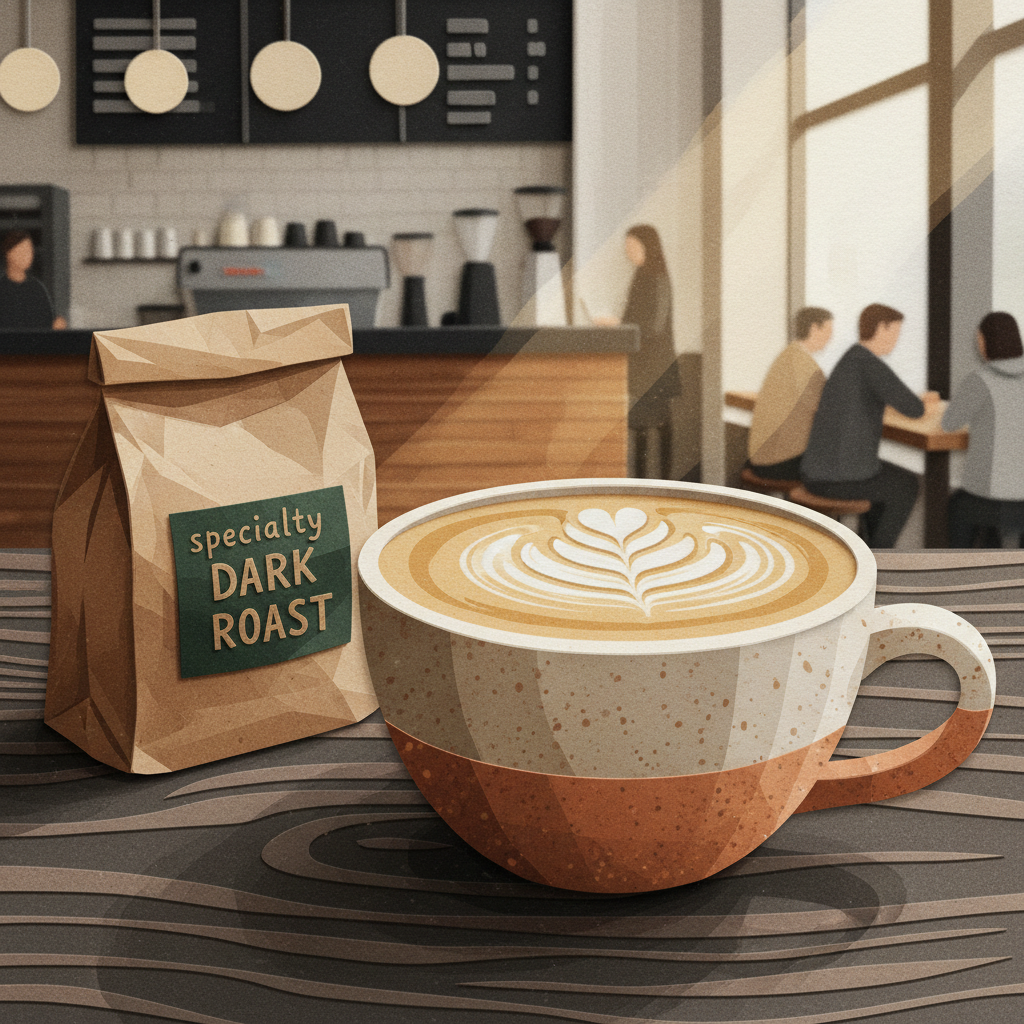
For the past decade, the Sydney specialty coffee scene has been defined by a relentless pursuit of acidity. We’ve chased the 'juice bomb'—those ultra-light, floral, and often tea-like roasts that pushed the boundaries of what coffee could be. But as we move into mid-2026, a seismic shift is occurring in the laneways of Surry Hills and the warehouse cafes of Marrickville. The pendulum is swinging back, but not to the burnt, oily beans of the 90s. Welcome to the era of the Specialty Dark Roast Revival.
Beyond the 'Juicy' Acid: Why We’re Craving Body
While light roasts were instrumental in teaching us about origin and terroir, many Australian coffee lovers started to feel 'acid fatigue.' The best cafes in Melbourne and Sydney are reporting a surge in demand for something more 'coffee-like'—brews that offer deep chocolate, toasted hazelnut, and rich caramel notes without the vinegary finish that sometimes plagues light roasts.
This isn't a retreat into low-quality coffee. On the contrary, the Specialty Dark Roast requires even more precision. Roasters are taking high-altitude, high-density beans—often from Colombia or Brazil—and extending the Maillard reaction phase while strictly avoiding the second crack. The result? A cup that has the complexity of a specialty bean but the 'oomph' and texture that Australians traditionally love.
The Impact on the Australian Flat White
Australia’s most iconic export, the Australian flat white, is the biggest winner in this 2026 trend. While oat milk and macadamia milk have dominated recent years, their interaction with ultra-light roasts was often problematic, frequently resulting in a 'curdling' taste or a lack of sweetness.
With the return of the darker profile, the Brisbane coffee scene and the bustling cafes of Adelaide are seeing a resurgence in the 'classic' flavor profile. These roasts cut through the creaminess of high-end alternative milks, creating a velvety, malt-heavy beverage that feels indulgent yet refined. At Sydney’s Single O or Edition Roasters, you’ll now find 'Heritage Blends' alongside their experimental light roasts, specifically designed to anchor a flat white with deep, syrupy body.
Sydney’s Leaders: Where to Taste the Trend
If you're looking to experience this revival first-hand, Sydney is currently the epicenter.
- The Marrickville Movement: Many micro-roasters in Sydney’s inner west are leaning into 'Post-Third Wave' roasting. Look for cafes using beans with 'Development Time' extended by up to 20%, resulting in a flavor profile they call 'Darker-than-Light.'
- Surry Hills Sophistication: In the heart of the Sydney specialty coffee hub, shops are replacing their 'filter-only' menus with dedicated 'Bold' sections. This isn't just for espresso; we’re seeing darker-roasted V60 pours that taste like black forest cake rather than lemon water.
- The CBD Power Breakfast: Even the corporate-heavy cafes in the Sydney CBD are pivoting. Gone are the days of apologizing for 'strong' coffee; it's now marketed as 'High-Structure Roast' to appeal to the discerning palate that wants a caffeine kick with a substantial mouthfeel.
Melbourne’s Response: The 'Roast-Forward' Filter
Not to be outdone, the best cafes in Melbourne are putting their own spin on the trend. In Fitzroy and Collingwood, roasters like Seven Seeds and Proud Mary are experimenting with what they call 'Thermal Development.' This involves using higher charge temperatures to caramelize sugars more deeply without introducing the bitterness of char.
Melbourne is also leading the way in 'Vintage Espresso,' where baristas use aged beans and darker roast profiles to mimic the classic Italian experience, but using 88-point specialty coffee. It’s a nostalgic nod to the past, served in the high-tech, minimalist settings that define the Melbourne coffee scene in 2026.
What to Look for on the Menu
When you're browsing your local cafe's bean list this winter, keep an eye out for these keywords that signal the Specialty Dark Roast trend:
- Extended Development: This indicates the roaster has spent more time in the roaster to enhance sweetness.
- Structured Body: A sign that the coffee will have a thick, syrupy texture.
- Low-Acidity Specialty: Perfect for those who find light roasts too sharp on the stomach.
- Maillard-Focus: A technical term used by roasters to describe the browning process that creates savory, nutty notes.
Why This Trend Matters for Sustainability
Beyond taste, this trend has a positive impact on the industry. Light-roast-only culture often placed immense pressure on farmers to produce only the most 'experimental' or 'acidic' lots. By embracing a wider variety of roast profiles, Australian roasters can buy a broader range of a farmer's harvest, supporting more sustainable and equitable purchasing models.
Conclusion: A New Era of Balance
The Specialty Dark Roast Revival isn't about moving backward; it's about the maturation of our coffee culture. We’ve learned the rules of acidity and clarity, and now we’re learning how to break them to find balance and comfort. Whether you’re a regular at a Sydney CBD espresso bar or hunting for the best Australian flat white in the suburbs of Perth, 2026 is the year we embrace the dark side—beautifully.