The Vintage Bean Cellar: Melbourne’s Best 2026 Coffee Trend
Move over freshness—2026 is the year of the vintage bean. Discover how Melbourne and Sydney’s top roasters are cellaring coffee like fine wine to unlock deep, complex flavours.
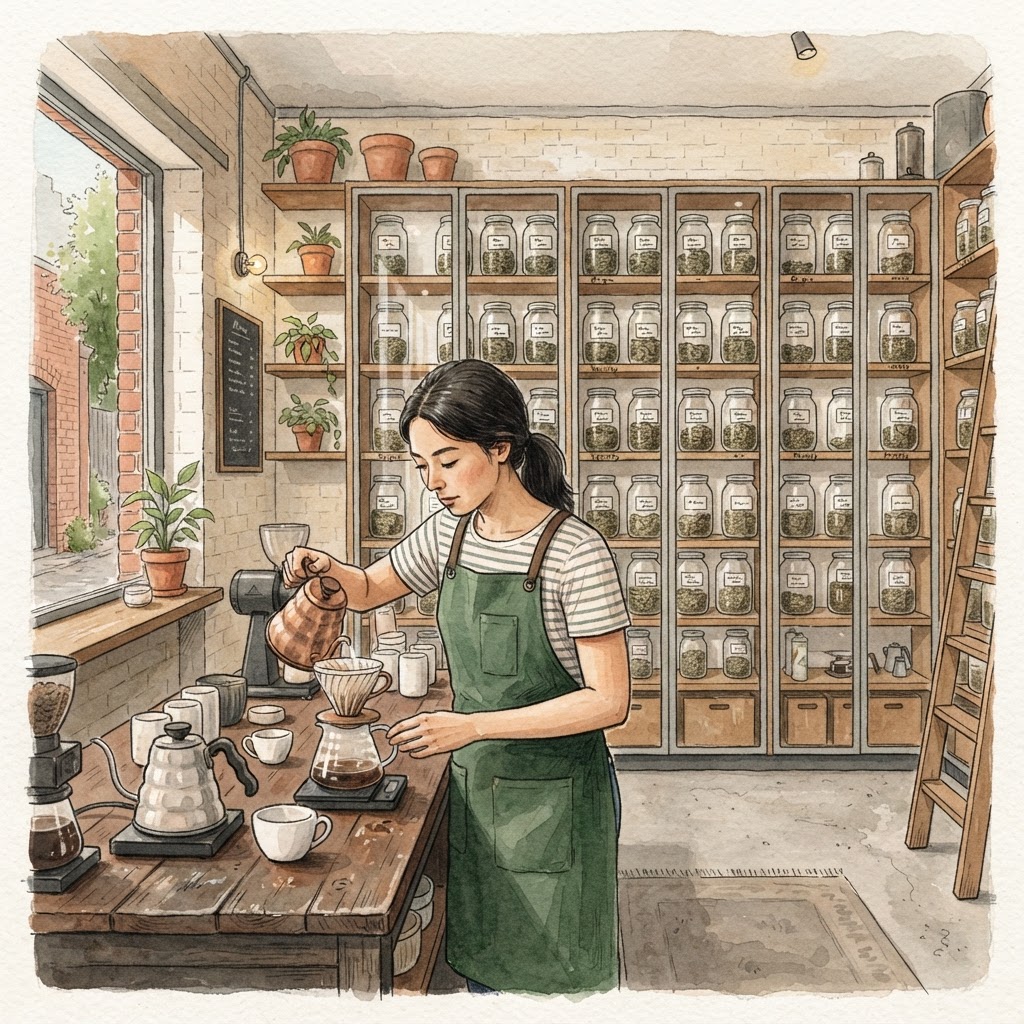
For decades, the golden rule of the Australian specialty coffee scene was simple: freshness is king. We chased the shortest window between roasting and brewing, believing that any delay was a detriment to the cup. But as we move through July 2026, a sophisticated new movement is challenging that dogma. Welcome to the era of the Vintage Bean Cellar, a trend currently sweeping through the best cafes in Melbourne and high-end Sydney specialty coffee bars.
Inspired by the prestigious aging processes of the Yarra Valley’s viticulture and the whiskey distilleries of Tasmania, Australian roasters are now deliberately 'cellaring' green coffee beans for years before they ever touch a roaster. The result? A flavor profile so complex and velvety that it’s redefining what we expect from a Melbourne flat white.
The End of 'Fresh is Best'?
In 2026, the 'freshness obsession' has matured. While a standard seasonal harvest still dominates the daily grind, the elite tier of the industry is looking backward. Roasters like Ona Coffee and Proud Mary have begun experimenting with 'resting' high-scoring microlots in temperature-controlled environments for 12, 24, or even 36 months.
This isn't about letting old beans go stale. It is a meticulous, scientific process of controlled maturation. Much like a fine Shiraz, certain coffee varietals—particularly high-altitude Geshas and Sidras—possess chemical precursors that evolve over time. When stored under specific humidity and atmospheric conditions, the harsh acidity of a young bean mellows, giving way to deep notes of port, cacao nib, and dried stone fruit.
Why Melbourne is Leading the Vintage Charge
It’s no surprise that Melbourne specialty coffee culture is the epicenter of this trend. In the industrial-chic backstreets of Collingwood and Fitzroy, cafes are no longer just installing espresso machines; they are building glass-walled cellars.
The Role of Technology
In 2026, the technology behind bean preservation has leaped forward. We are seeing the rise of AI-monitored nitrogen-sealed cellars. These systems monitor the organic volatile compounds (OVCs) being released by the green beans, notifying the head roaster at the exact moment a lot has reached its 'peak vintage.'
The Experience in Collingwood
If you head to a spot like St. Ali or Seven Seeds this month, don't be surprised to see a 'Cellar List' alongside the standard seasonal menu. Ordering a 2024-harvest Colombian Gesha that has been cellared for two years is now the ultimate flex for the coffee connoisseur. These brews are often served in stemware, emphasizing the aromatic shift that occurs during the aging process.
Sydney’s Precision Tasting Rooms
Not to be outdone, the Sydney specialty coffee scene has embraced the vintage trend with its signature flair for luxury. In Surry Hills and Darlinghurst, tasting rooms like Sample Coffee and Edition Coffee Roasters are treating vintage beans with a level of reverence usually reserved for rare spirits.
- The Service: Vintage beans are often ground using ultra-low RPM grinders to prevent heat friction from damaging the delicate, aged cell structure.
- The Brew: Most 'vintage' selections are prepared as a pour-over or a 'flash-syphon' to highlight the clarity of the aged acids.
- The Price: While a standard latte might cost you $6.00 in 2026, a 2-year aged vintage cup can range from $15 to $50, depending on the rarity of the lot.
What Does Vintage Coffee Taste Like?
You might be wondering: does it just taste like old coffee? The answer is a resounding no. When done correctly, the aging process transforms the bean.
- Mouthfeel: The body becomes significantly more syrupy. The 'thin' acidity of a fresh bean is replaced by a heavy, coating texture.
- Complexity: You’ll find 'tertiary' flavors. Instead of just 'lemon' or 'floral,' you might taste 'honeyed tobacco,' 'sandalwood,' or 'dark chocolate ganache.'
- Finish: The finish of a vintage bean is remarkably long. A single sip of an aged Ethiopian Yirgacheffe can linger on the palate for minutes, evolving as it cools.
Where to Try It Today
If you’re looking to dive into the vintage movement this week, here are the top spots across Australia currently leading the charge:
- Melbourne: Visit Acre Seven in Carlton for their 'Vertical Tasting' flights, where you can compare the same bean harvested in 2024, 2025, and 2026.
- Sydney: Head to Artificer in Surry Hills for their limited-run aged Gesha series, which is currently the talk of the town among local baristas.
- Perth: Even on the West Coast, Lowdown in the CBD has begun stocking 'Reserve Cellar' tins for home brewers who want to experience the trend at their own pace.
Conclusion: The New Frontier of Flavour
The rise of the vintage bean cellar isn't just a gimmick; it’s a sign of the Australian coffee scene’s incredible maturity. In 2026, we are no longer just consumers of coffee; we are curators of it. By treating the bean with the same longevity as wine, the best cafes in Melbourne and Sydney are opening up a new frontier of flavor that proves some things really do get better with age.
Next time you're at your local, ask if they have anything 'in the cellar.' You might just discover your new favorite vintage.