The Thermal Shock Revolution: Sydney and Brisbane’s Best Coffee Trend
Thermal shock processing is redefining the Australian coffee scene. Learn how Sydney and Brisbane’s top roasters are using temperature science to create the most vibrant cups of 2026.
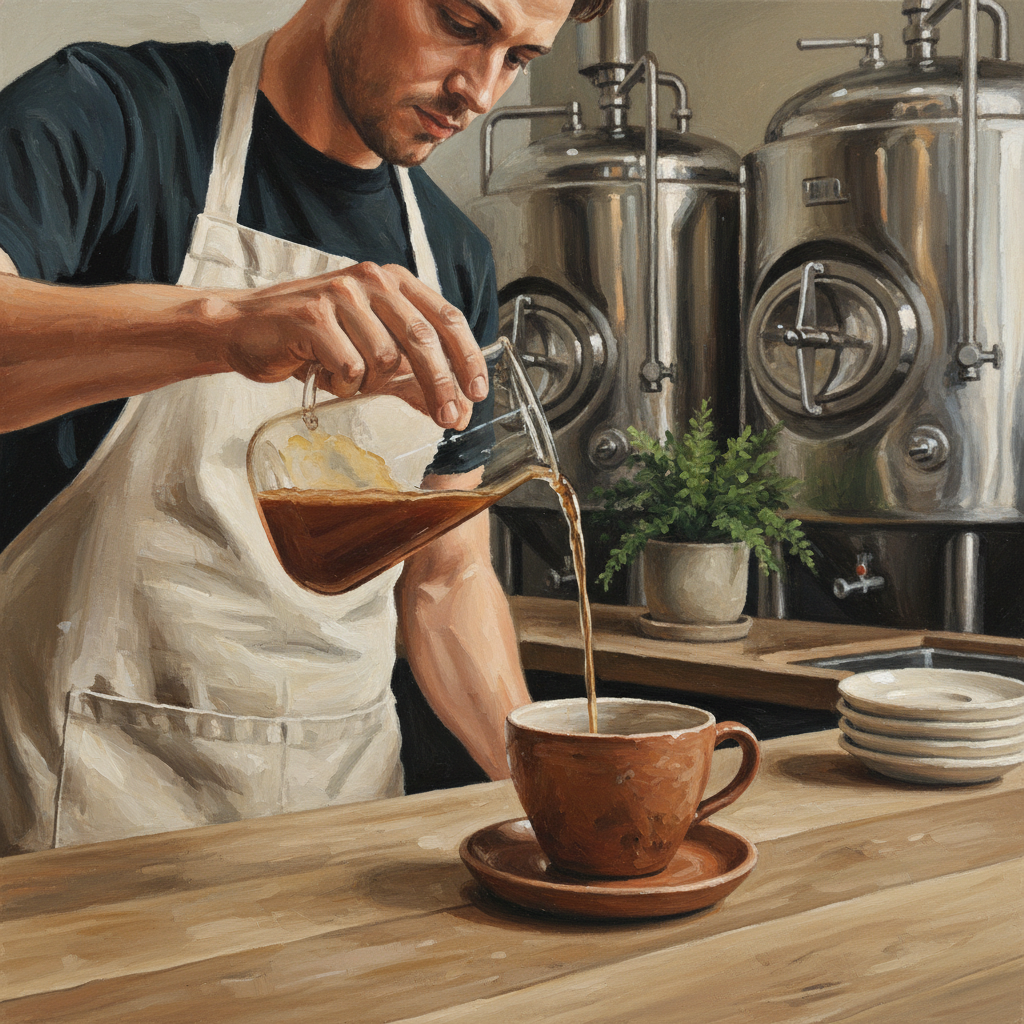
The Australian specialty coffee landscape has always been a hotbed for innovation, but in mid-2026, we are witnessing a shift that is as much about chemistry as it is about craftsmanship. Welcome to the era of thermal shock processing, a technique that has moved from experimental labs to the menus of the best cafes in Sydney and the vibrant coffee hubs of Brisbane. If you’ve noticed your morning pour-over tasting more like a fruit-infused sorbet than a traditional bean, you’ve likely encountered the thermal shock revolution.
What Exactly is Thermal Shock Processing?
To understand why this is the defining trend of 2026, we have to look at the source. Thermal shock isn't just about roasting; it’s a post-harvest fermentation technique. Pioneered by innovators like Diego Bermudez and now adopted by forward-thinking producers supplying Australian roasters, the process involves a rapid shift in temperature during the fermentation phase.
Typically, the coffee cherries undergo an initial stage of controlled fermentation at a specific temperature (often around 35-40°C). Then, the cherries are suddenly washed with cold water (around 12°C). This 'shocks' the bean, instantly closing the pores of the parchment and locking in the volatile aromatic compounds and esters created during fermentation. The result is a cup with unparalleled clarity, extreme sweetness, and flavors that seem almost impossible for unadulterated coffee.
Sydney’s Inner West and Surry Hills: The Proving Grounds
In the heart of the Sydney specialty coffee scene, the thermal shock trend has taken a firm hold. Roasters in the Inner West, such as the legends at Sample Coffee in Marrickville and St Peters, have been at the forefront, sourcing microlots that showcase this high-tech processing. Walking into a Sydney cafe in 2026, you’re less likely to ask about the roast profile and more likely to ask about the 'shock cycle.'
Where to Sip in Sydney
- Artificer (Surry Hills): Always a purist’s dream, Artificer has embraced thermal shock beans for their filter offerings. Expect notes of white peach and lilac that are so distinct they feel curated by a perfumer.
- Reuben Hills (Surry Hills): Known for their direct-trade relationships, Reuben Hills has been instrumental in bringing these processed lots from Colombia to the best cafes in Sydney. Their 'thermal shock' espresso shots are a revelation, offering a creamy, yogurt-like acidity that redefines the Australian flat white.
- Edition Coffee Roasters (Haymarket): Their Japanese-inspired aesthetic pairs perfectly with the clean, structured profile of temperature-treated beans.
Brisbane’s Bold Flavours: The Sunshine State Embraces the Funk
While Sydney focuses on clarity, the Brisbane third-wave coffee scene is using thermal shock to push the boundaries of flavor intensity. Brisbane’s warmer climate has always encouraged a preference for bright, tropical profiles, making this trend a natural fit for the city’s top-tier establishments.
The Brisbane Leaders
- Coffee Anthology (CBD): As a multi-roaster hub, Coffee Anthology is the best place to compare different thermal shock expressions. Their 2026 flagship store features a dedicated 'Experimental Bar' where you can taste the difference between standard anaerobic fermentation and thermal shock side-by-side.
- The Maillard Project (CBD): This roastery and cafe is obsessed with the science of coffee. They’ve been experimenting with their own 'secondary' thermal shocks during the soaking phase, resulting in a Brisbane specialty coffee experience that is truly world-class.
- Ona Coffee (West End): Originally from Canberra but now a staple of the Brisbane scene, Ona continues to dominate the competition circuit with thermal shock lots that taste like bubblegum and tropical punch.
Why 2026 is the Year of "Locked-In" Flavor
So, why is this happening now? For years, the industry was divided between the 'clean' taste of washed coffees and the 'funky' taste of naturals. Thermal shock processing bridge that gap. It offers the vibrant acidity and cleanliness of a washed coffee with the extreme fruitiness and body of a natural.
Furthermore, in 2026, sustainability is no longer optional. Thermal shock processing often requires less water than traditional fully washed methods, and because it allows for more control, it reduces the risk of 'bad' fermentations that lead to wasted crops. It’s a win for the farmer, the roaster, and the consumer looking for the best coffee in Melbourne, Sydney, or Brisbane.
The Sensory Experience: What to Expect
If you’re hunting for these brews, look for specific descriptors on the bag. Typical thermal shock profiles include:
- Lactic Acidity: Think strawberry yogurt or panna cotta.
- Hyper-Defined Fruit: Instead of 'stone fruit,' you’ll taste 'ripe yellow nectarine.'
- Floral Intensity: Jasmine and lilac notes that linger long after the sip.
- Texture: A silky, almost slippery mouthfeel that is incredibly satisfying.
Conclusion: The Future of the Australian Brew
The thermal shock revolution is a testament to the sophistication of the Australian palate. We are no longer satisfied with just a 'strong' coffee; we want a narrative of science and flavor in every cup. Whether you are exploring the hidden lanes of the Melbourne coffee scene or the sun-drenched decks of a Brisbane cafe, keep an eye out for the 'thermal shock' label. It is, without a doubt, the most exciting development in specialty coffee this year. Don't just drink your coffee—experience the shock.