The Viticulture-Inspired Trend: Adelaide and Melbourne’s Best 2026 Coffee
Coffee and wine are finally merging in Australia’s most exciting 2026 trend. From Adelaide’s East End to Melbourne’s hidden laneways, 'viticulture-inspired' fermentation is redefining the Australian flat white.
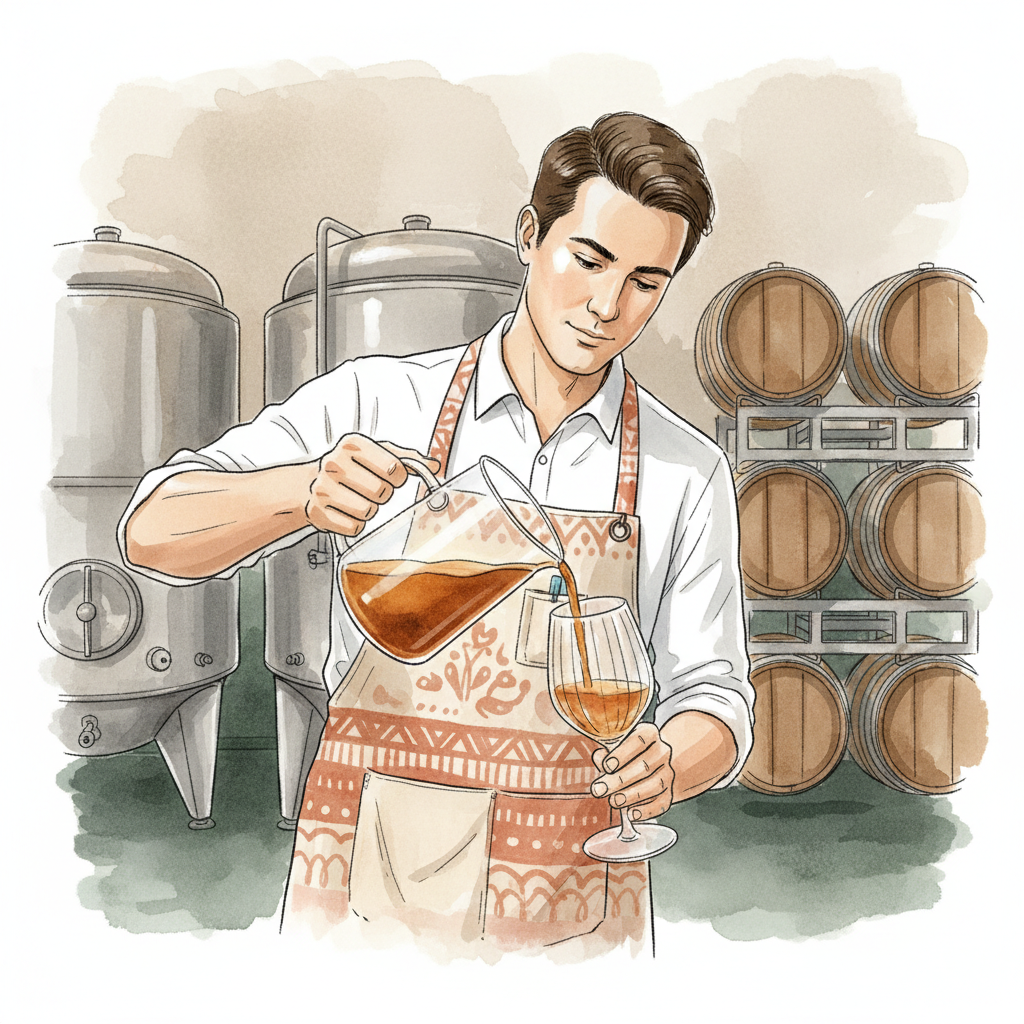
As we move into the heart of the 2026 winter season, the Australian specialty coffee scene is undergoing its most radical transformation yet. The boundary between the sommelier and the barista has officially dissolved. We are witnessing the rise of viticulture-inspired fermentation, a movement where the experimental techniques of the natural wine world are being applied to the humble coffee cherry.
While Australia has always been at the forefront of the global coffee scene, this new trend—heavily concentrated in the Adelaide and Melbourne corridors—is pushing sensory boundaries. It is no longer just about the origin or the roast profile; it is about the yeast, the vessel, and the time spent in the fermentation tank.
The Science of the 'Natural Wine' Process
In 2026, the term 'Natural Process' has been replaced by more technical descriptors like Yeast-Inoculated Anaerobic Fermentation and Carbonic Maceration. Borrowing directly from the vineyards of the Barossa Valley and the Yarra Valley, roasters are now collaborating with winemakers to 'design' the flavour of the bean before it even hits the roaster.
By introducing specific wine yeasts—such as Saccharomyces cerevisiae or wild strains harvested from Riesling skins—farmers and roasters can produce coffee that tastes remarkably like a fine Pinot Noir or a crisp Pét-Nat. The result? A cup that is incredibly funky, tart, and structurally complex.
Why Adelaide is Leading the Fermentation Charge
It makes perfect sense that Adelaide specialty coffee is at the epicenter of this movement. With world-class wine regions like the McLaren Vale and Adelaide Hills just a stone's throw away, local roasters have unprecedented access to viticulture expertise.
The East End's Experimental Hub
In the heart of Adelaide's East End, cafes like Exchange Specialty Coffee and boutique roasters such as Dawn Patrol are leading the charge. They have begun featuring 'Fermentation Flights' where customers can taste the same bean processed through three different wine-inspired methods.
- The Trend in Adelaide: Look for 'Lees-aged' coffee, where green beans are aged in contact with the sediment from sparkling wine production.
- Where to go: Visit Elementary Coffee for their 'Vintage Series'—small batches of beans aged in ex-Shiraz barrels.
Melbourne’s Laneway Labs: Precision Fermentation
Not to be outdone, the Melbourne specialty coffee scene has taken a more 'lab-based' approach to the trend. In the industrial pockets of Collingwood and Brunswick, roasters are using high-tech fermentation tanks to control every variable of the process.
Melbourne’s best cafes in 2026 are increasingly resembling science laboratories. At stalwarts like Proud Mary and Ona Coffee Melbourne, you’ll find baristas discussing pH levels and Brix degrees with the same intensity as grind size.
Key Melbourne Roasters to Watch:
- Acre Coffee: Known for their 'Hybrid Washed' series using indigenous Australian flora during the fermentation stage.
- Market Lane: Exploring 'Cold Fermentation' where the beans are kept at cellar temperatures for up to 120 hours to develop delicate floral notes.
What Does This Mean for the Australian Flat White?
You might wonder if these 'funky' beans belong in your morning milk coffee. The answer is a resounding yes. The Australian flat white is being reinvented through this trend. When these wine-processed beans are paired with high-fat, non-homogenized milk, the acidity of the fermentation cuts through the sweetness, creating a profile that tastes like berries and cream.
In Sydney’s specialty coffee circles, this is being called the 'Gourmet White'—a premium milk coffee that commands a higher price point due to the labor-intensive processing of the beans.
How to Experience the Trend This Winter
If you’re looking to dive into the world of viticulture-inspired coffee, here is how to navigate the menus at the best cafes in Melbourne and Adelaide this June:
- Check the Processing Method: Look for keywords like 'Carbonic Maceration,' 'Anaerobic,' or 'Inoculated.'
- Ask for a Filter Brew First: To truly appreciate the wine-like acidity, try these beans as a pour-over (V60 or Chemex) before adding milk.
- Note the 'Vintage': Much like wine, these coffees are highly seasonal. Ask your barista when the beans were harvested and fermented.
The Future of Australian Coffee Culture
The rise of viticulture-inspired coffee is more than just a passing fad; it represents the maturation of the Australian palate. We are no longer satisfied with just a 'strong' coffee. We want a narrative, a specific terroir, and a technical mastery that reflects our nation’s dual love for the bean and the vine.
Whether you are sipping an anaerobic natural in a sun-drenched Adelaide courtyard or a carbonic maceration brew in a moody Melbourne basement, one thing is clear: the future of coffee is fermented.
Conclusion
As we head further into 2026, keep an eye on your local roaster's label. The crossover between the cellar door and the cafe door is here to stay, cementing Australia's reputation as the most innovative coffee destination in the world. Next time you're in the city, skip the standard blend and ask for something with a bit of 'funk'—your tastebuds will thank you.