The Zero-Waste Revolution: Top Circular Cafes in Melbourne and Sydney
Australia's coffee scene is undergoing a massive transformation. Discover how 'Circular Cafes' in Melbourne and Sydney are redefining sustainability through closed-loop systems and zero-waste brewing in 2026.
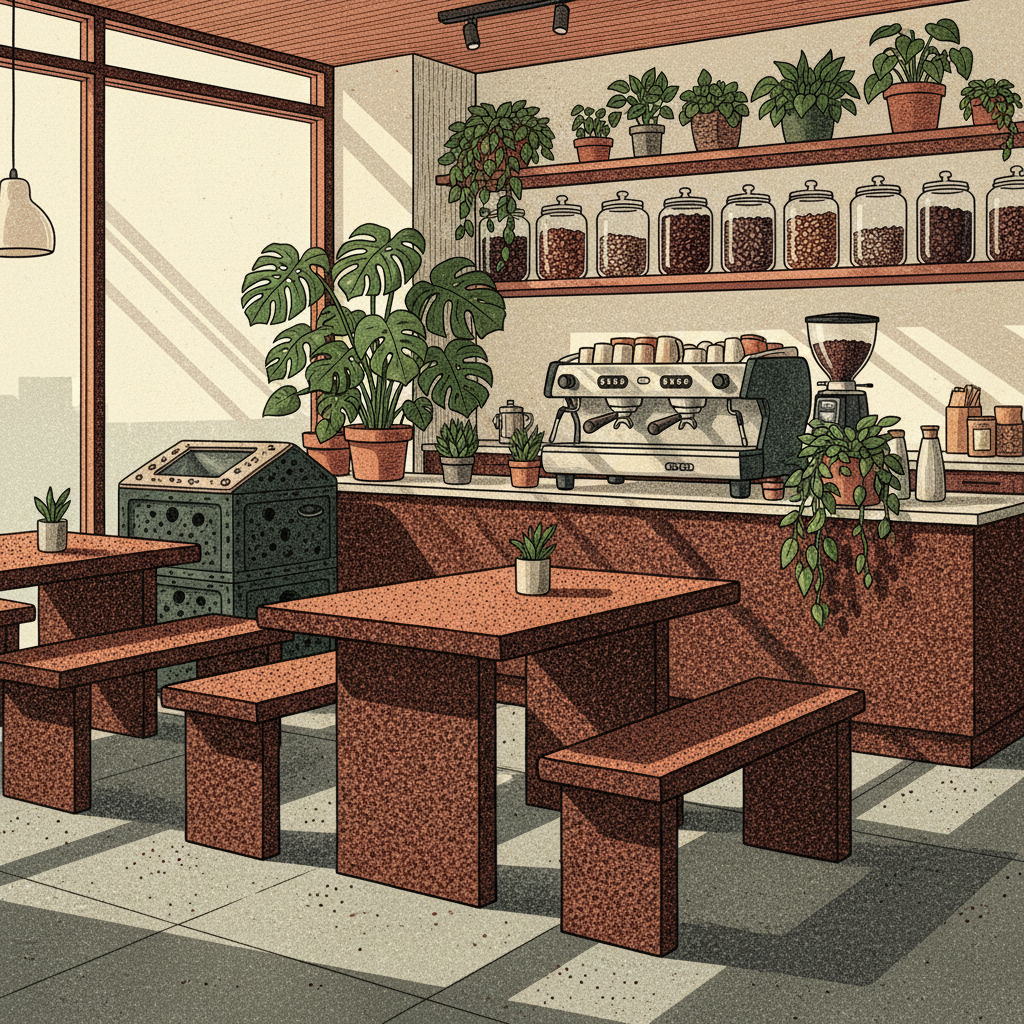
It is June 2026, and the Australian specialty coffee landscape has shifted far beyond the simple 'reusable cup' debate. If you walk into any leading specialty coffee shop in Melbourne or Sydney today, you aren't just looking at the origin of the bean; you are looking at the lifecycle of the entire cafe. The 'Circular Cafe' movement has officially taken over, and it is changing the way we consume our daily caffeine fix. From on-site composting systems to furniture made from recycled husks, the best cafes in Australia are now operating with a near-zero environmental footprint.
In this guide, we explore the pioneers of the circular movement and where you can find the most ethical, zero-waste coffee in Melbourne, Sydney, and beyond.
What Exactly is a Circular Cafe?
For years, the industry focused on 'carbon neutral' certifications and compostable packaging. While those were great first steps, the 2026 standard is Circular Brewing. This means a closed-loop system where every output becomes a new input.
We are seeing cafes in the inner-west of Sydney and Melbourne’s northern suburbs implementing systems where:
- Spent coffee grounds are used to grow gourmet mushrooms in-house or converted into biofuel.
- Excess milk is processed into bio-plastics or donated to local community gardens for soil enrichment.
- Heat energy from the industrial roasters is captured to warm the seating areas or heat water for the kitchen.
Melbourne: The Circular Coffee Capital
Melbourne has long been the heart of Australian coffee culture, and in 2026, it is leading the charge in radical sustainability. The city's roasters are no longer just focused on the 'God Shot'; they are focused on the 'Green Shot'.
Market Lane’s Closed-Loop Transformation
Market Lane Coffee has always been a leader, but their new flagship space in the Queen Victoria Market precinct is a masterclass in circularity. Every gram of waste is weighed and processed on-site. They’ve even partnered with local designers to create tables and chairs made entirely from compressed coffee silverskin—the byproduct of the roasting process.
The Industrial Greenery of Brunswick
Up in Brunswick, the scene is even more experimental. Cafes like Code Black and Wide Open Road have pioneered 'Zero-Mile Roasting'. By using electric, emission-free roasters powered by rooftop solar arrays, they’ve removed the carbon footprint of the roasting process entirely. When searching for the best specialty coffee in Melbourne, looking for the 'Circular Certified' sticker on the window is the new gold standard for 2026.
Sydney’s Coastal Conservationists
While Melbourne focuses on industrial tech, Sydney’s specialty coffee scene is leveraging its coastal identity to drive sustainability. In Surry Hills and Bondi, the focus is on protecting the waterways and reducing plastic reliance to absolute zero.
Single O and the No-Lid Policy
Single O in Surry Hills has made waves this year by becoming the first major Sydney roaster to implement a strict 'No Lid' policy for dine-in and takeaway—unless you bring your own. By 2026, they have successfully diverted millions of lids from landfills. Their 'Self-Serve Batch Brew' bar also reduces the energy required for traditional espresso machines, offering a faster, cleaner, and more sustainable way to get your morning kick.
Sample Coffee’s Soil-to-Cup Project
Over in St Peters, Sample Coffee has launched the 'Soil-to-Cup' initiative. They provide local residents with high-nitrogen compost made from their cafe waste, which is then used to grow the very herbs and vegetables served in their brunch menu. It’s a perfect circle that ensures nothing leaves the premises as trash.
The National Shift: Brisbane, Perth, and Adelaide
The circular movement isn't just restricted to the big two. Brisbane third-wave coffee spots like Coffee Anthology are experimenting with anaerobic fermentation waste, while in Perth, Antz Inya Pantz has become a hub for community-led recycling programs where customers can exchange their food scraps for 'bean credits'.
In Adelaide, the Leigh Street coffee hub has seen a collective agreement among shop owners to share a single, massive composting unit, proving that collaboration is the key to a sustainable future.
High-Tech Brewing for a Greener Tomorrow
In 2026, the technology behind the bar has also evolved. The rise of AI-driven milk dispensers has virtually eliminated milk waste. These machines, now common in high-volume Sydney CBD cafes, calculate the exact amount of milk needed for a flat white down to the milliliter, ensuring that not a drop of dairy (or oat milk) is poured down the sink.
Furthermore, the Australian Flat White has seen a recipe tweak. Many 'Circular Cafes' are now promoting 'Oat-First' menus, where plant-based milks are the default and dairy carries a small 'environmental levy' to fund local reforestation projects. This shift has been embraced by the younger generation of coffee lovers who view sustainability as non-negotiable.
How to Find a Circular Cafe Near You
If you're looking to support the most sustainable businesses in the country, here’s what to look for in 2026:
- BYO-Container Bulk Beans: Look for roasters that offer 'refill stations' for your home beans instead of single-use bags.
- The 'Scraps' Menu: Cafes that use 'ugly fruit' or pickling techniques to reduce kitchen waste.
- Energy Transparency: Many top-tier cafes now display their daily solar generation and waste diversion stats on digital screens near the POS.
Conclusion: Brewing a Better Future
The Australian coffee industry has always been about more than just a caffeine hit; it’s about community and innovation. In 2026, the best cafes in Australia are those that treat the planet with the same respect they treat a rare Geisha bean. Whether you are grabbing a brew in Melbourne, Sydney, or Brisbane, you are part of a movement that is ensuring the longevity of the industry we all love.
Next time you order your flat white, take a look around. From the table you're sitting at to the soil in the planter box, you might just be seeing the future of a waste-free world.