
Origin
It all starts on a tree, somewhere near the equator
Every great Australian flat white begins life as a small red cherry on a tree in a country we've probably never visited. Coffee grows in the "Bean Belt" — a narrow band of subtropical highlands sitting between the Tropics of Cancer and Capricorn.
The two species that matter are Arabica (sweet, nuanced, grown high in the mountains) and Robusta (bold, bitter, twice the caffeine, grown lower down). Australia's specialty scene runs almost entirely on Arabica, with Robusta creeping in for blends that need an extra kick of crema.
Roasting
The transformation: 12 minutes that change everything
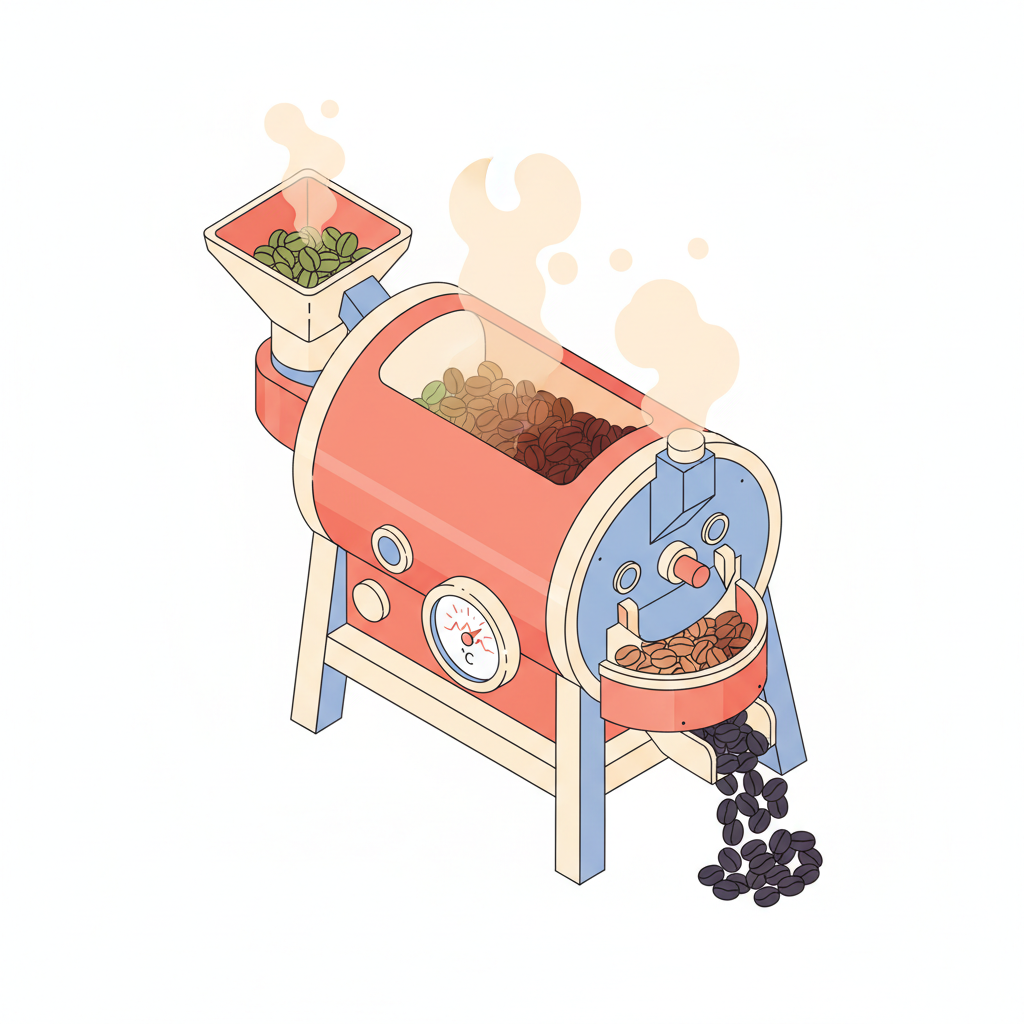
Green beans are practically flavourless. The magic happens in the roaster, where beans tumble at 200–240°C for roughly 10–15 minutes. They crack twice — a literal pop you can hear — and the sugars caramelise into the flavours we recognise as coffee.
Most Australian roasters favour a medium roast — dark enough to cut through milk, light enough to keep the chocolate, caramel and stone-fruit notes alive. It's the Goldilocks zone that defines our flat white.
Trade
Where Australia's coffee actually comes from
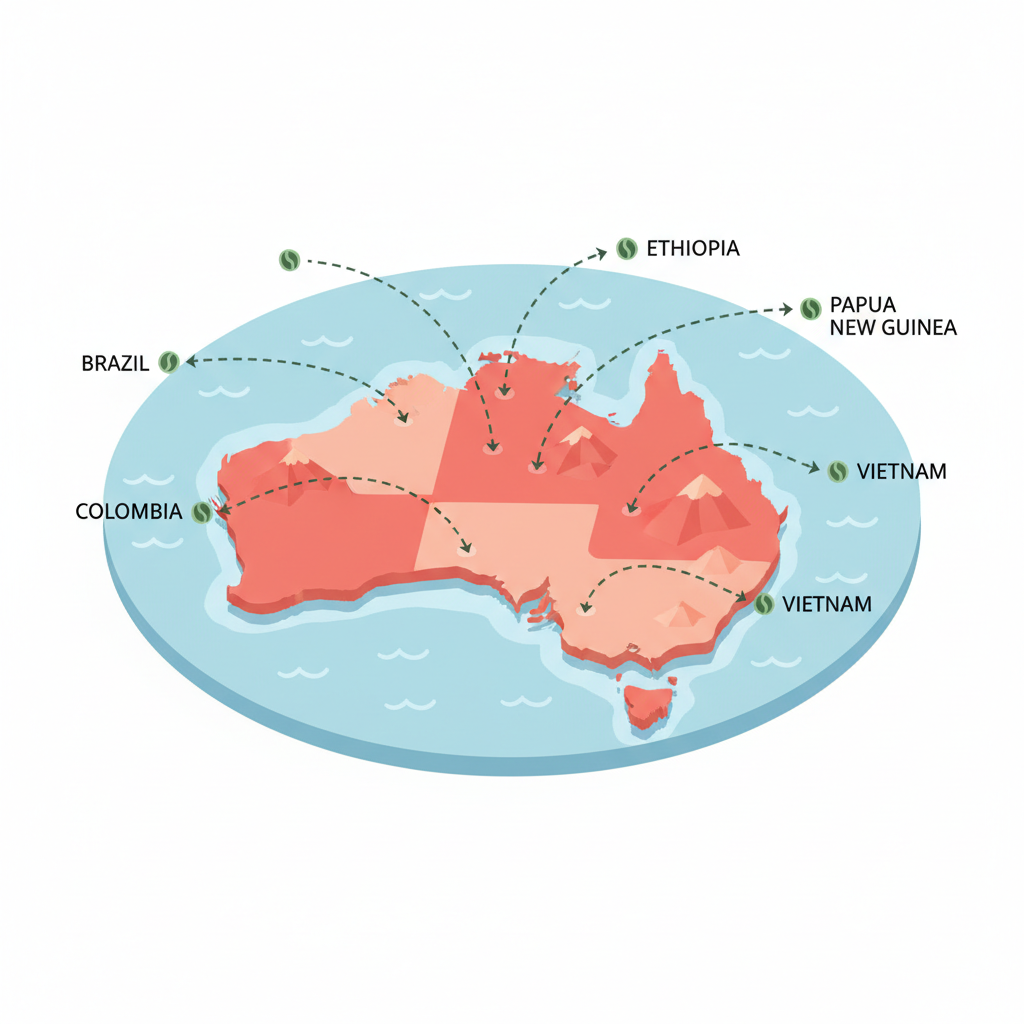
Despite a small but growing crop in far north Queensland, more than 99% of our beans are imported. The biggest sources are Brazil, Vietnam, Colombia, Papua New Guinea and Ethiopia — with PNG and Indonesia being our closest specialty neighbours.
From farm to cup takes anywhere from 6 weeks to 6 months. By the time those beans hit your local roaster in Fitzroy or Surry Hills, they've already travelled further than most of us will this year.
Why Australia has the best cafes in the world
When Italian and Greek migrants arrived after WWII, they brought espresso machines with them. But unlike Europe, Australia didn't have a dominant chain culture — Starbucks famously failed here. That left space for thousands of independent operators to obsess over every variable: green bean sourcing, roast profile, grind size, water temperature, milk texture and latte art.
The result is a country where the average suburban cafe pulls a better shot than most flagship stores overseas. It's not luck — it's three generations of refinement.
The room
A great cafe is a third place
The American sociologist Ray Oldenburg coined the term "third place" — somewhere that isn't home and isn't work, but where the regulars know your name and you can think out loud. Pubs were the original. In Australia, cafes have quietly taken over.
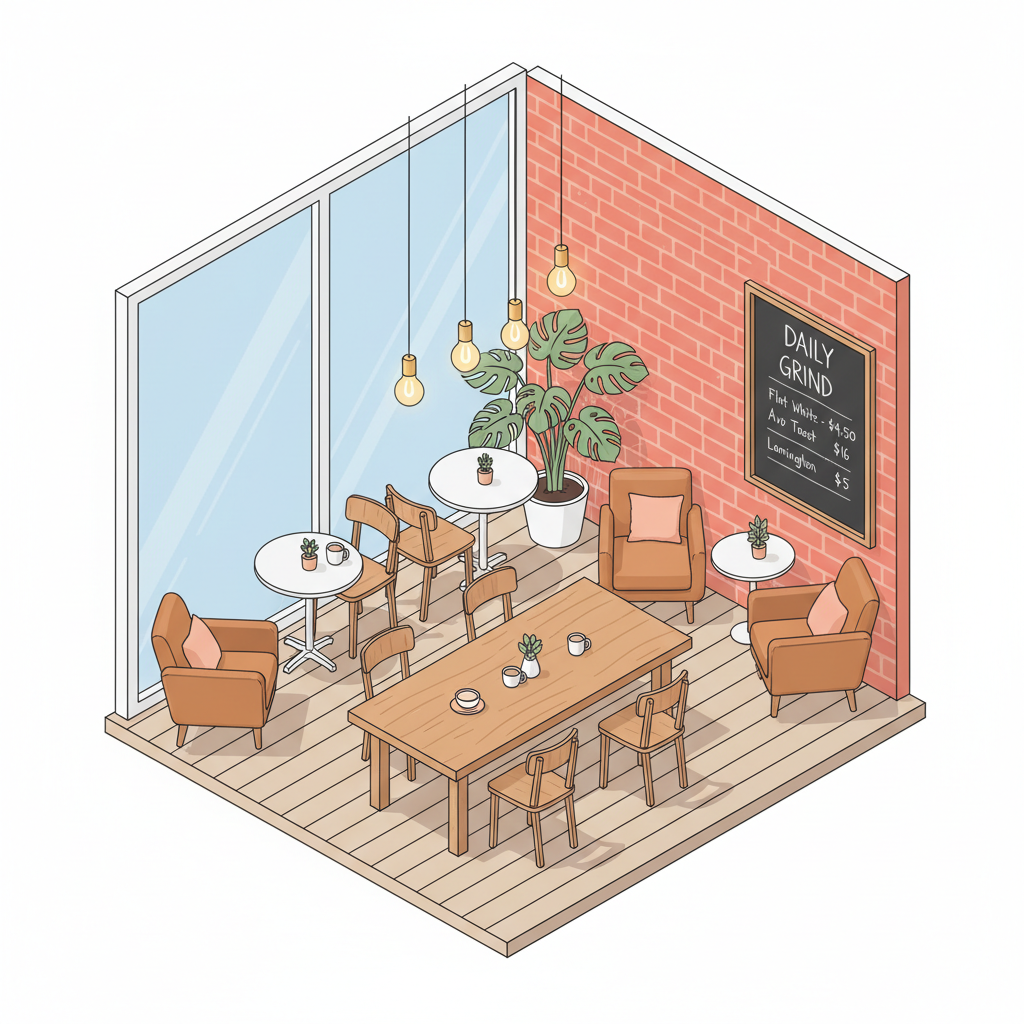
A great cafe room isn't designed, it's composed. There's a rhythm to where the counter sits, how the light falls on the communal table, the distance between strangers at the window bench. You feel it the moment you walk in — even before the coffee arrives.
The four pillars of cafe atmosphere
Get these right and people will sit for two hours over a single long black. Get them wrong and even great coffee can't save you.
Furniture you want to linger in
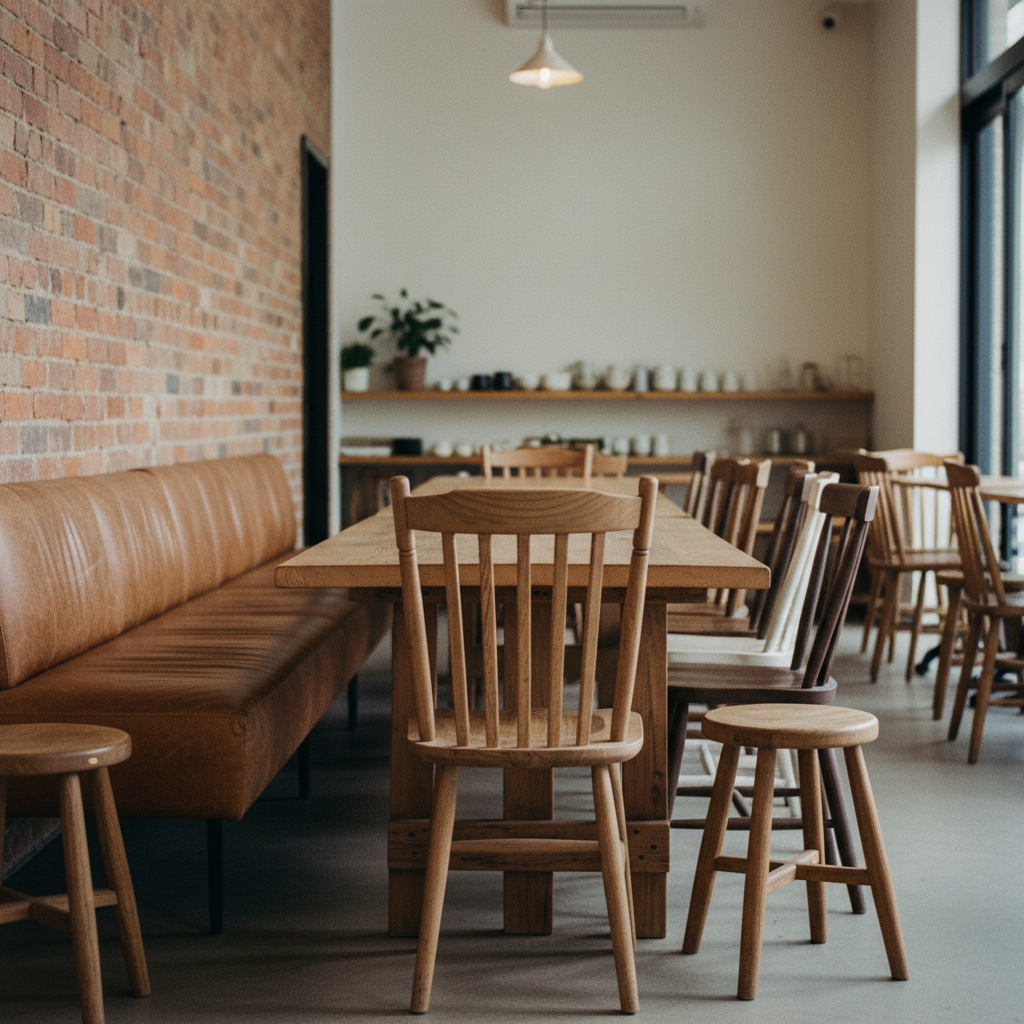
Mismatched timber chairs, a worn leather banquette, a communal table that invites strangers. The best cafes feel collected, not decorated.
Lighting that flatters everything
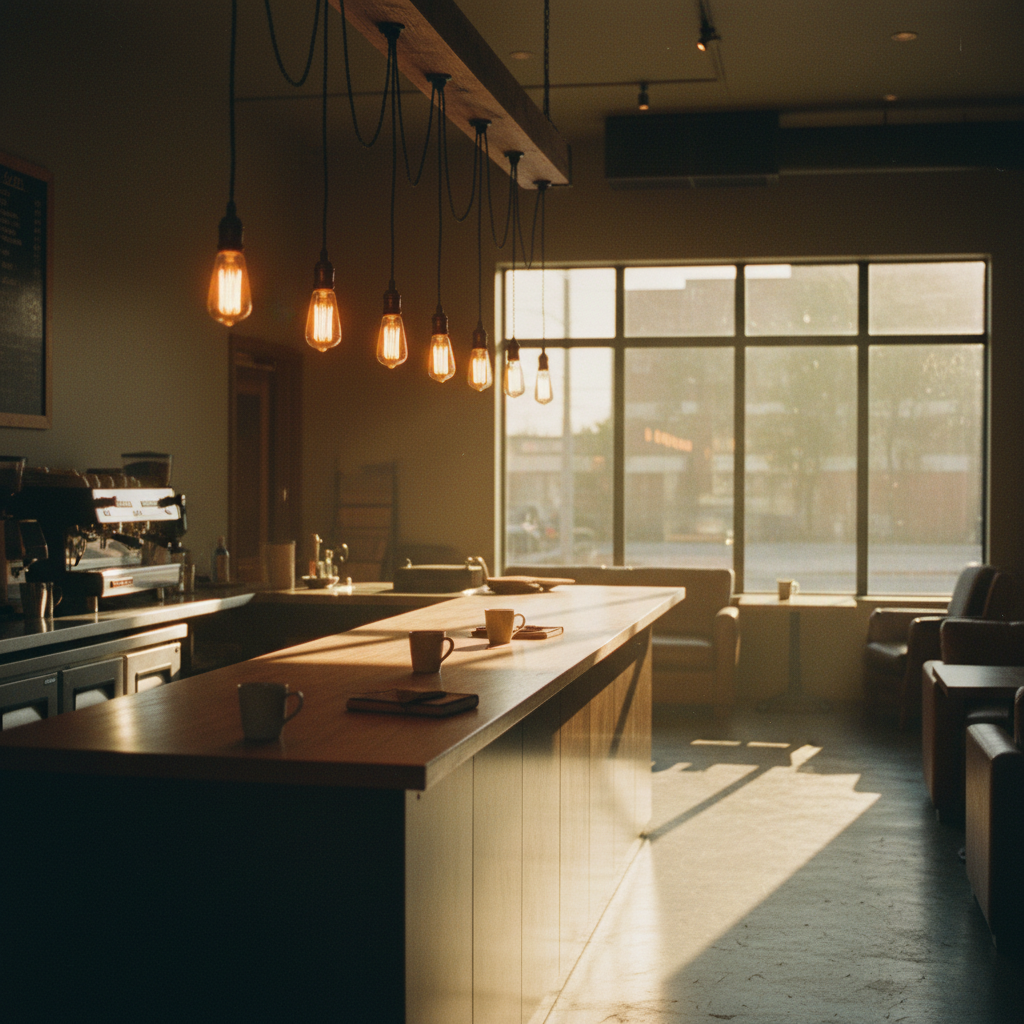
Big north-facing windows by day. Edison bulbs and warm 2700K spots by night. Never harsh, never fluorescent.
A soundtrack that's there but not loud
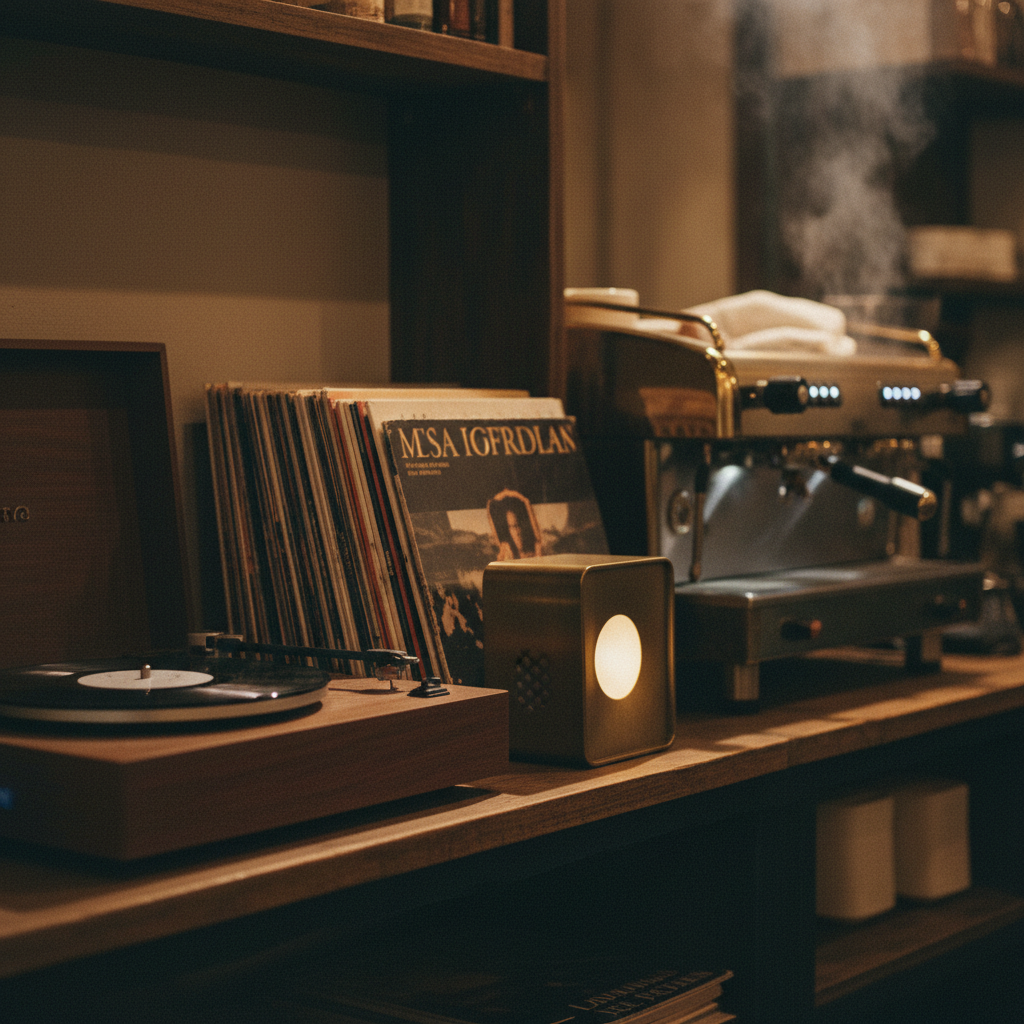
Soul, indie folk, mellow electronica. Loud enough to give privacy to conversation, quiet enough to hear the espresso machine sing.
Living things in the room
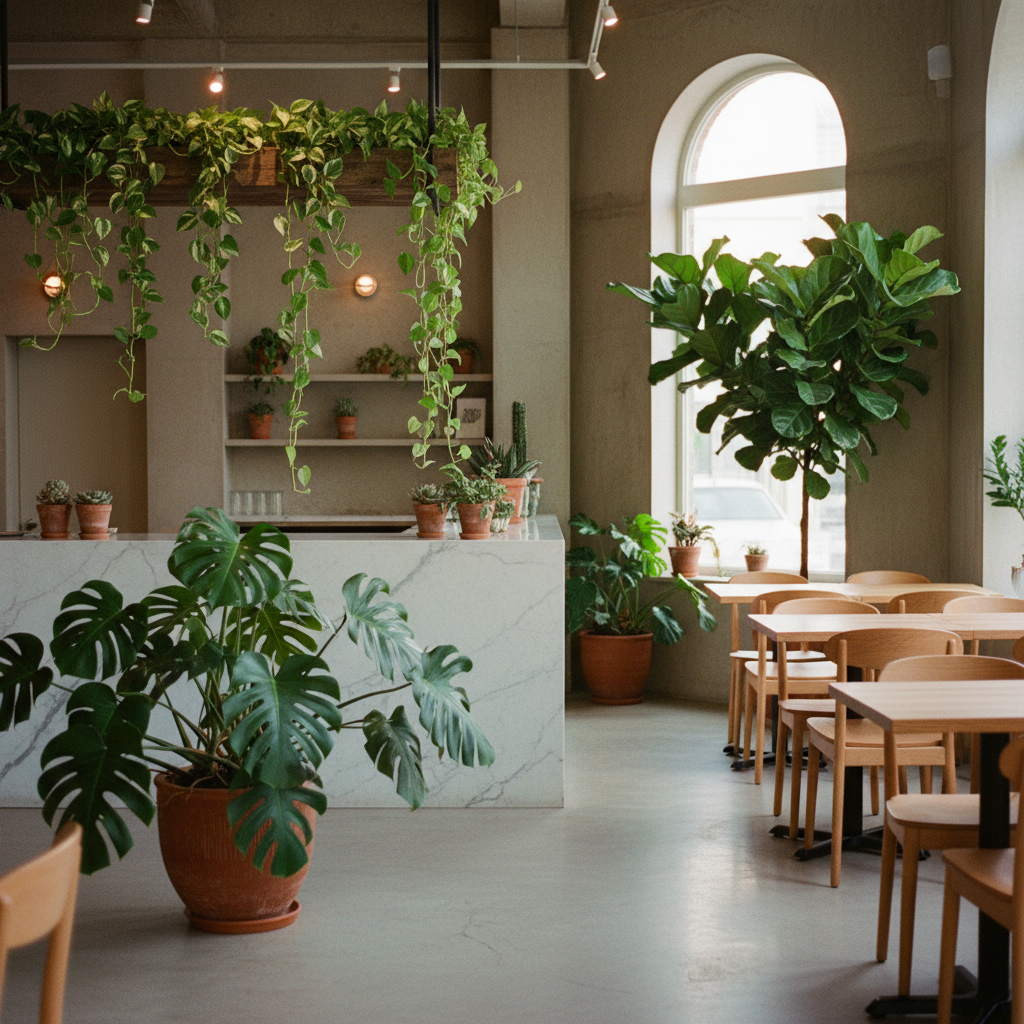
Monstera, fiddle leaf fig, hanging pothos. Plants soften the concrete and remind you you're in a place that's been cared for.
The craft
The barista: part chemist, part bartender, part therapist
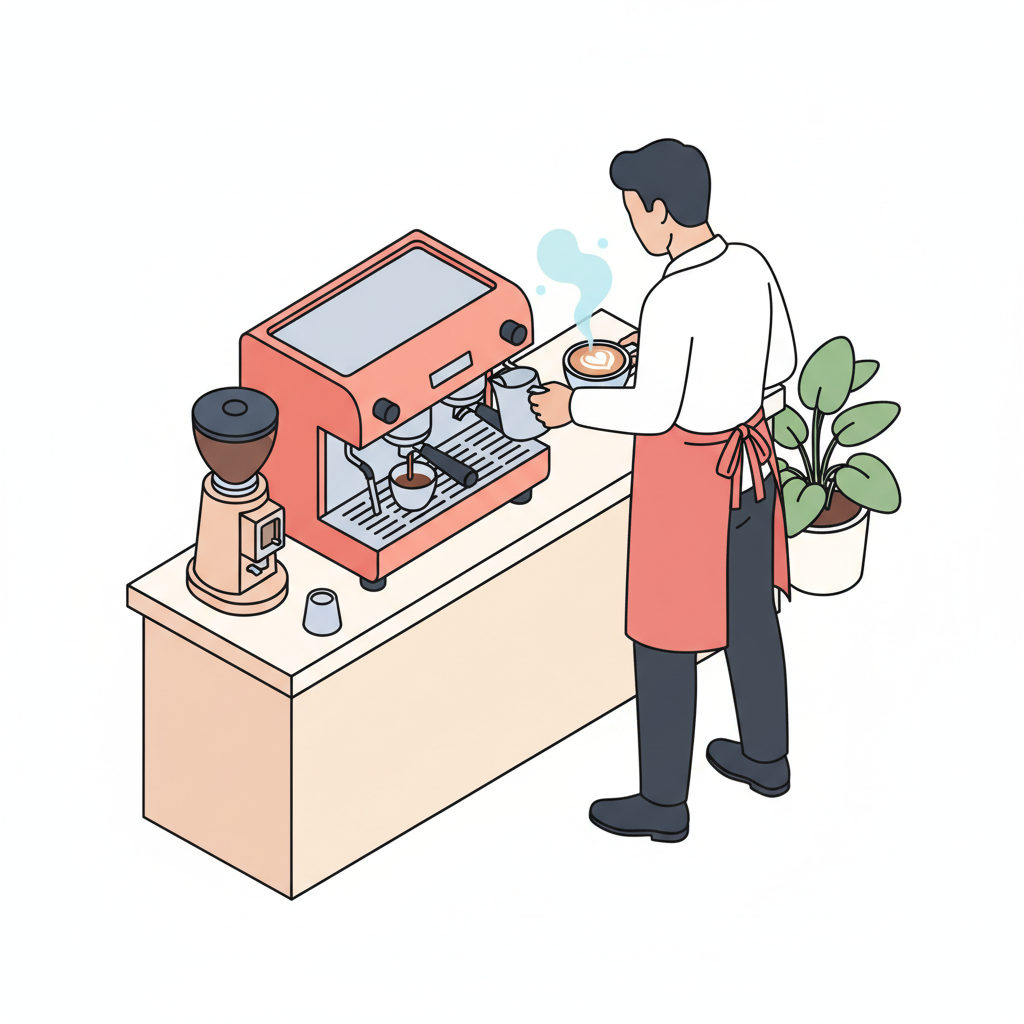
Pulling a great shot looks effortless because the barista has done it ten thousand times. Underneath, they're running constant calculations — grind, dose, yield, time, temperature — and adjusting in real time as the beans age and the weather shifts.
Most Australian baristas start as juniors, clearing tables and learning the rhythm of service. After six to twelve months they graduate to milk steaming, then finally to the machine. Top baristas often do barista courses through schools like ASCA, MICE training, or SCA (Specialty Coffee Association) certifications.
The very best compete in the Australian Barista Championship, presenting an espresso, a milk drink and a signature beverage to a panel of judges in fifteen minutes. World champions have come from Melbourne and Sydney three times this decade.
Five things separating great from average
The mechanics of pulling a beautiful coffee, one micro-skill at a time.
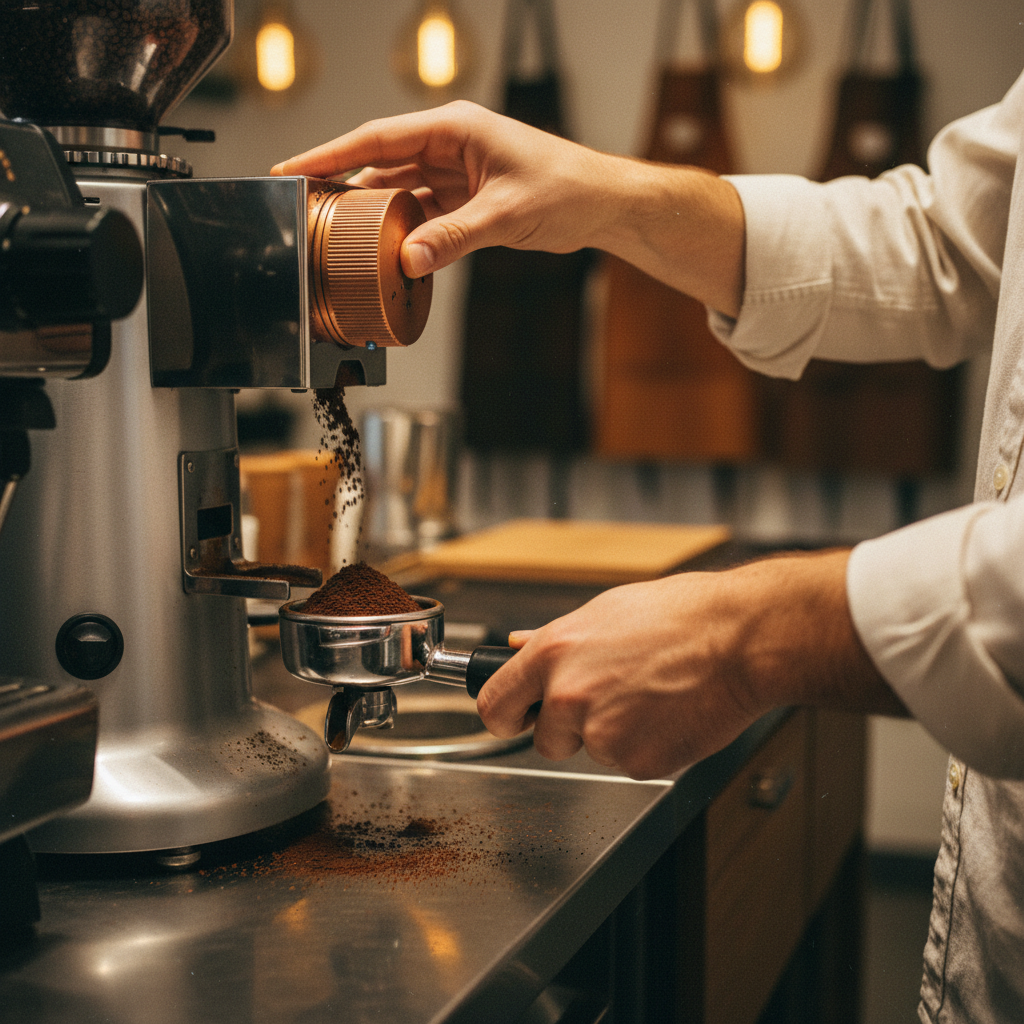
Dialling in the grind
Every morning, the barista adjusts grind size to hit a 25–30 second extraction for 36g of espresso. Humidity, bean age, even barometric pressure change the equation. It's chemistry disguised as muscle memory.
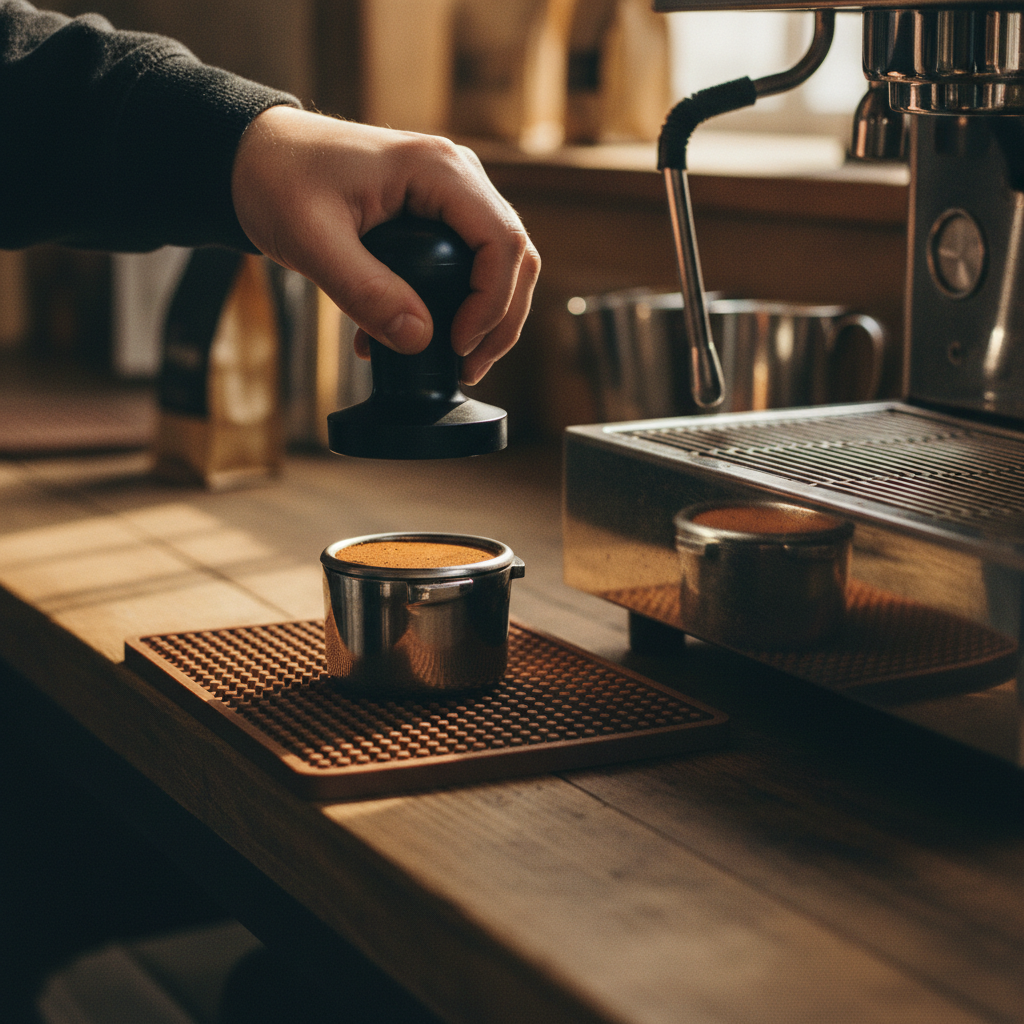
Tamping with consistency
30 lbs of pressure, level, every single time. Inconsistent tamping = channeling = sour, watery shots. The good ones could tamp blindfolded.
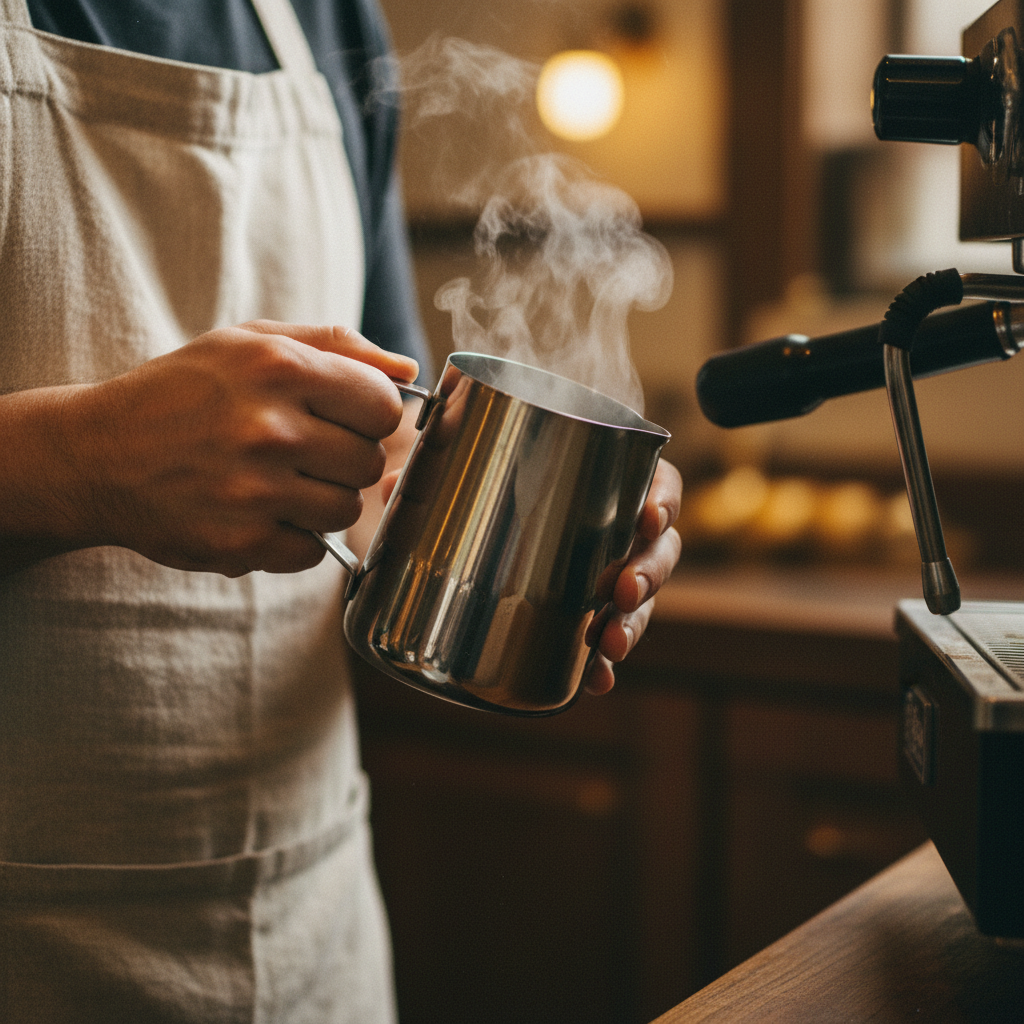
Texturing milk
Steam wand at 4 o'clock, jug tilted, listening for a paper-tearing hiss that turns to silk. Heat to 60–65°C — any hotter scalds the milk and kills sweetness.
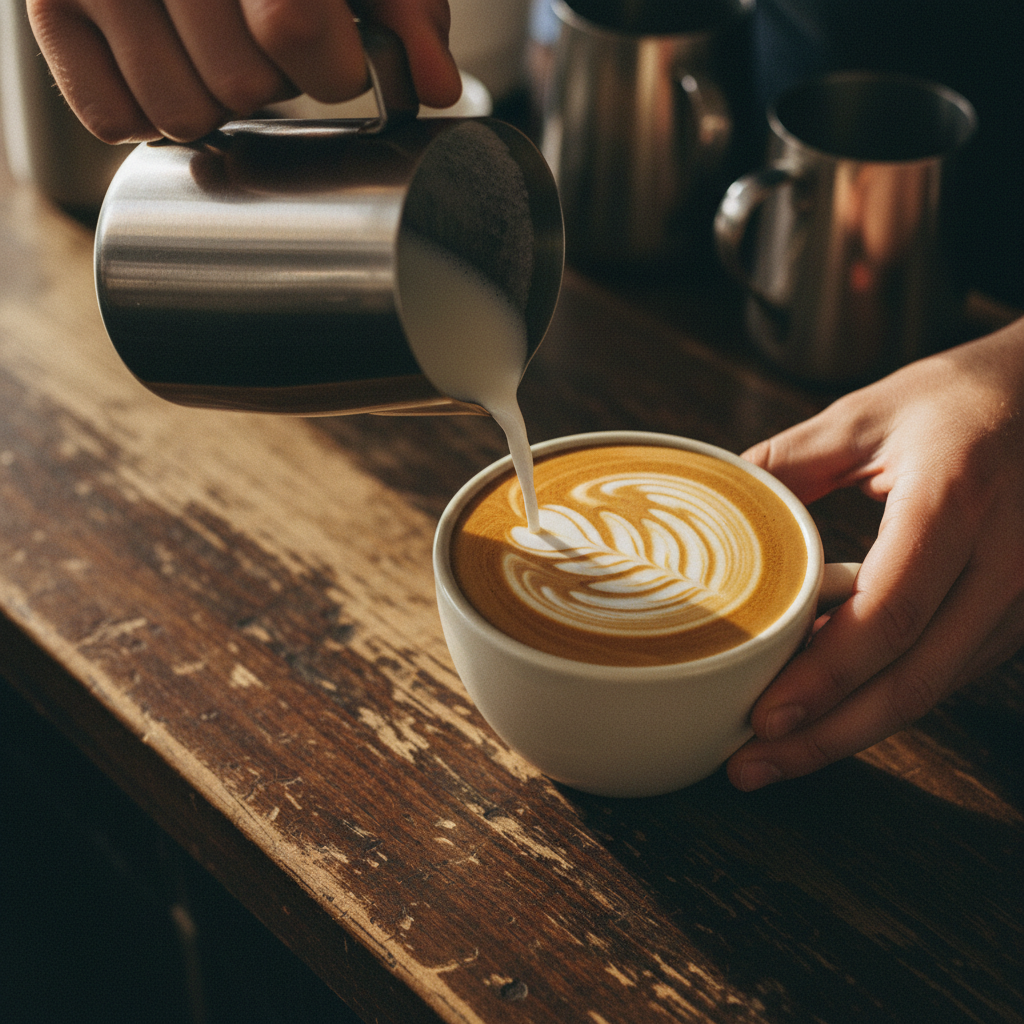
Pouring latte art
A tulip, a rosetta, a swan. Latte art isn't just for Instagram — it's proof the milk was textured correctly and integrated with the crema at the right moment.

Reading the customer
Knowing when to chat and when to just nod. Remembering that Sarah takes oat, Tom hates foam, and the guy in the blue jacket needs his coffee before he says good morning.
The hardware
The machine is the engine, not the magician
A great espresso machine doesn't make great coffee on its own — but a poor one will ruin even the best beans. What separates specialty machines is temperature stability: holding 93°C precisely, shot after shot, hour after hour, through hundreds of services a week.
A top commercial machine in an Australian cafe will set the owner back $15,000 to $40,000+. The grinder alongside it often costs another $4,000. It's the single biggest line item in any new cafe fit-out — and the one nobody regrets.
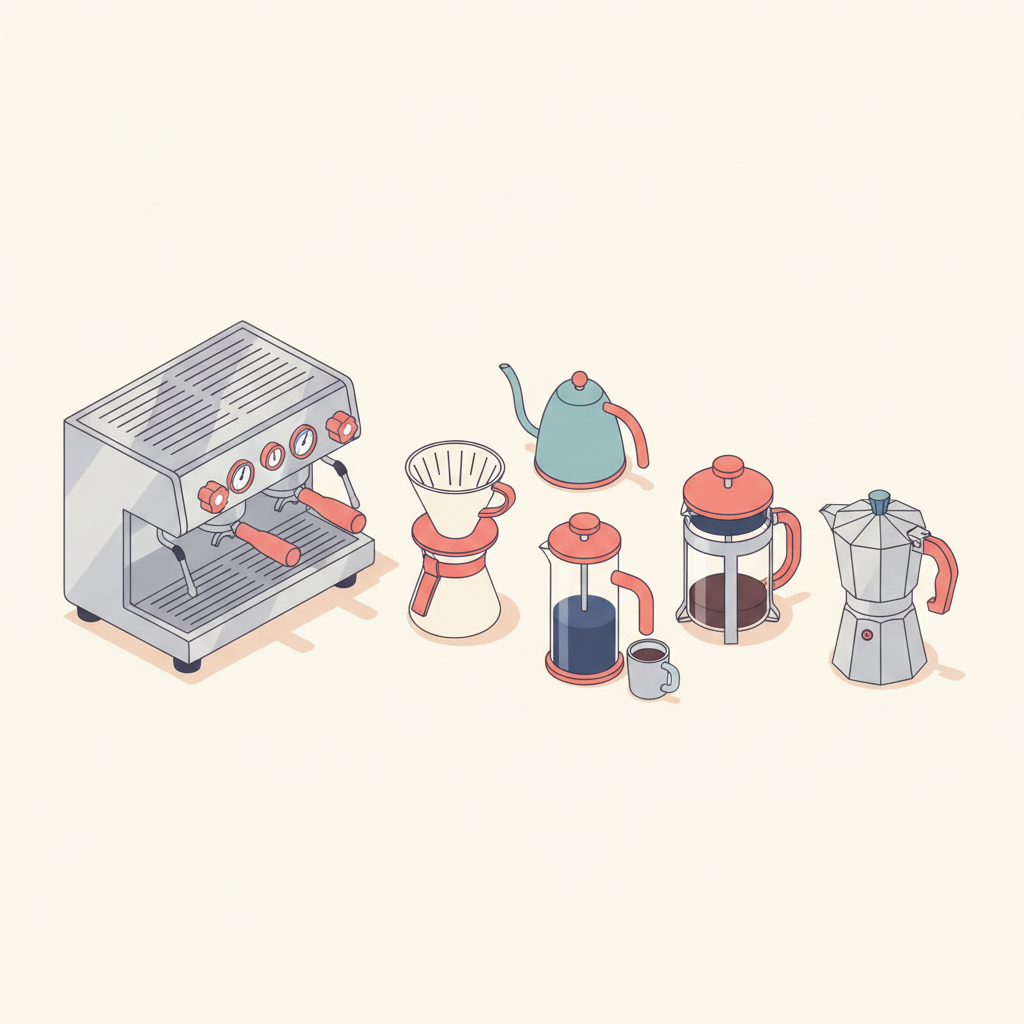
The brewing family tree
Every method below produces a different cup from the same bean. Most great cafes will run two or three side by side.
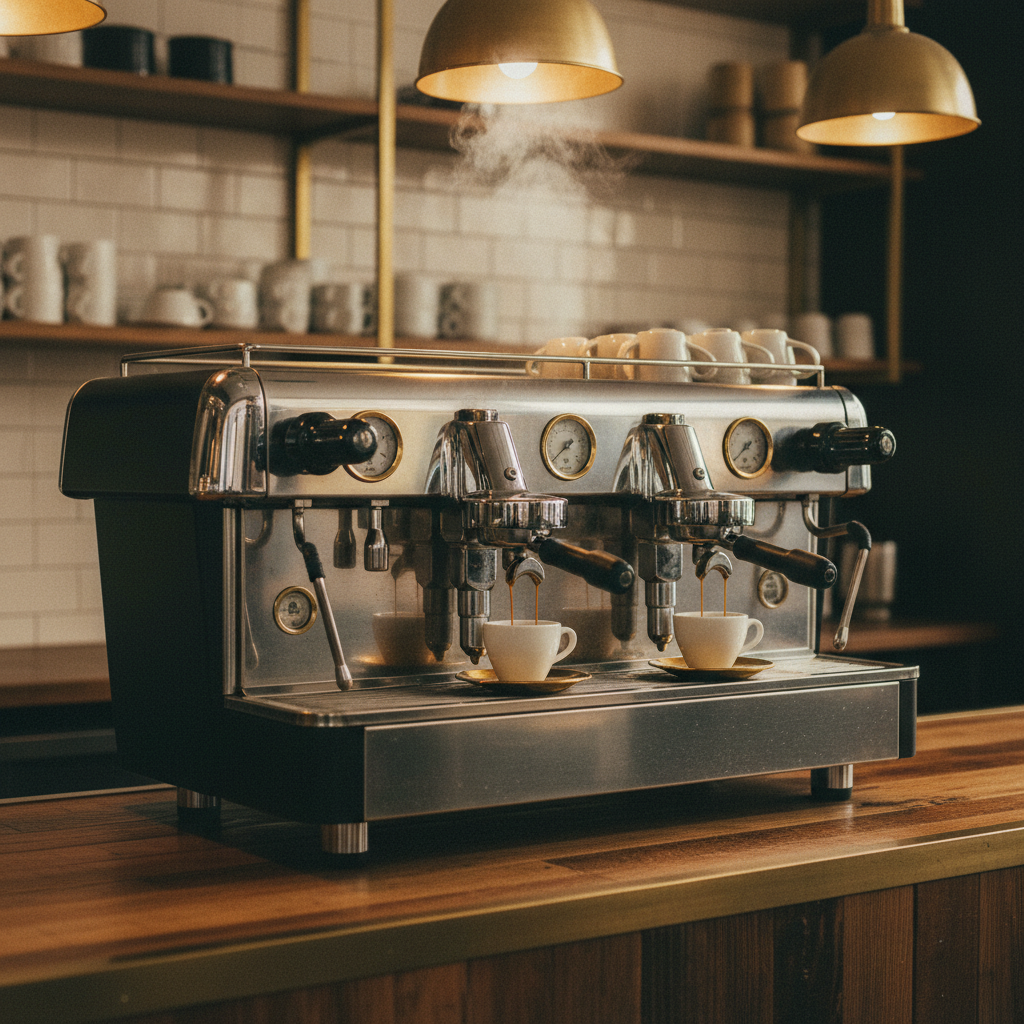
Commercial espresso machines
The workhorse behind every cafe counter.
Multiple group heads, 9 bars of pressure, PID temperature control. Two and three-group machines are the cafe standard.
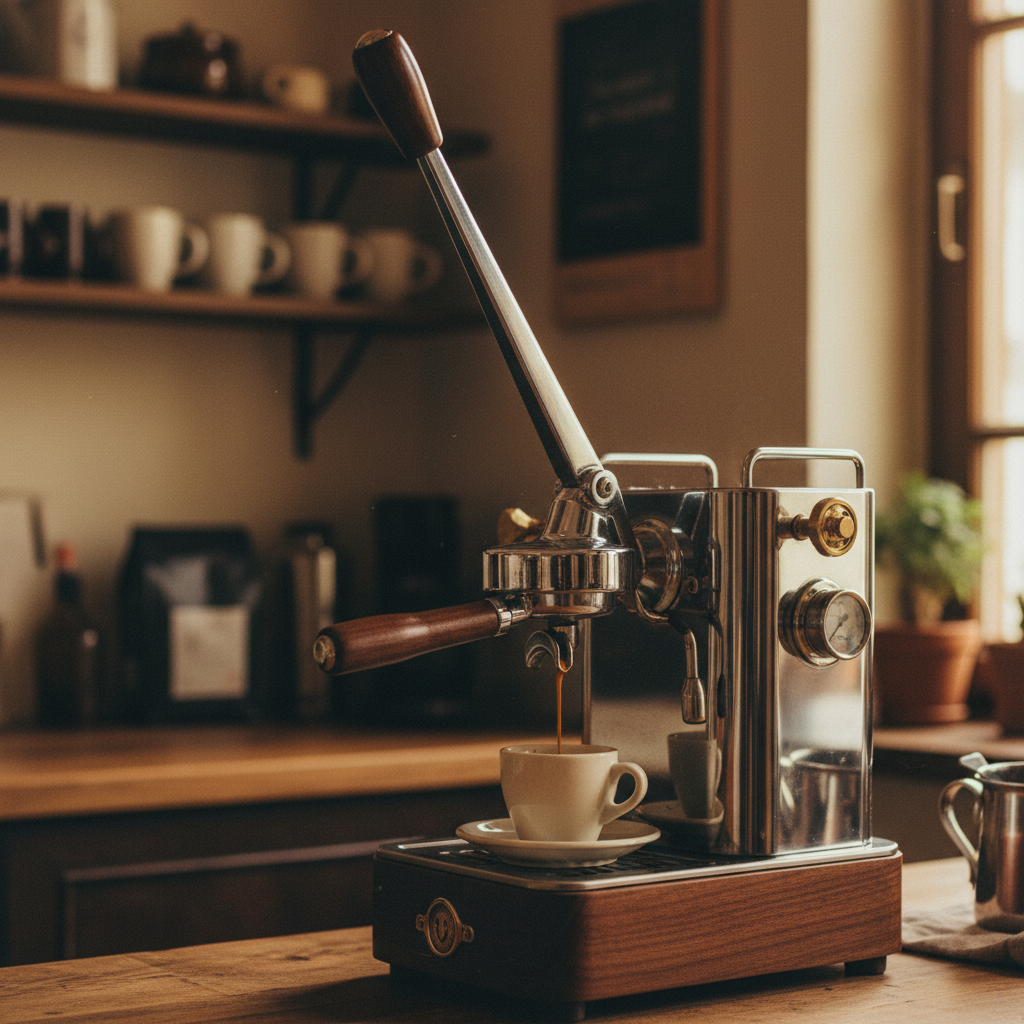
Manual lever machines
Old-school spring-loaded romance.
The barista physically pulls a lever to compress water through the grounds. Slow, theatrical, and capable of beautiful shots in the right hands.
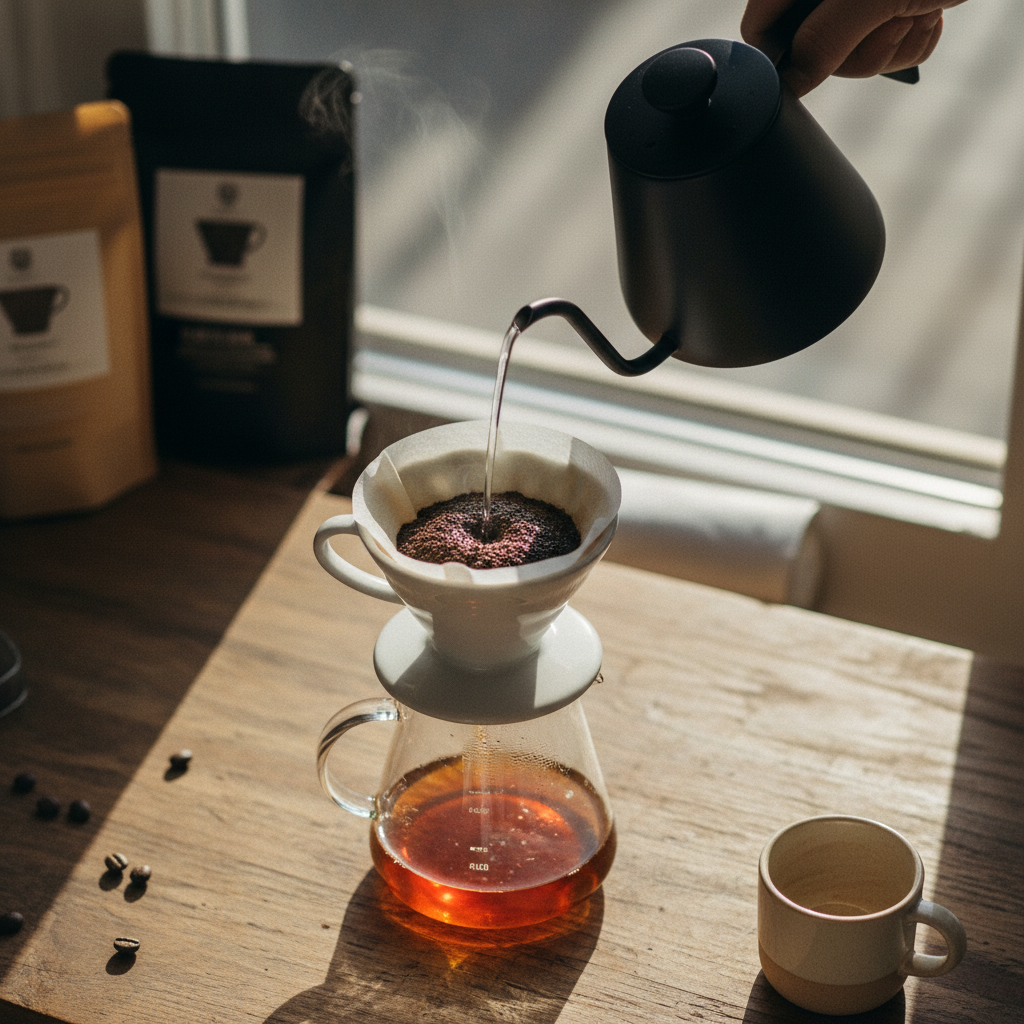
Pour-over (V60, Kalita, Chemex)
Filter coffee at its most pure.
Hot water poured slowly through a paper filter. Highlights origin character, low body, almost tea-like. The signature method for single-origin tasting.
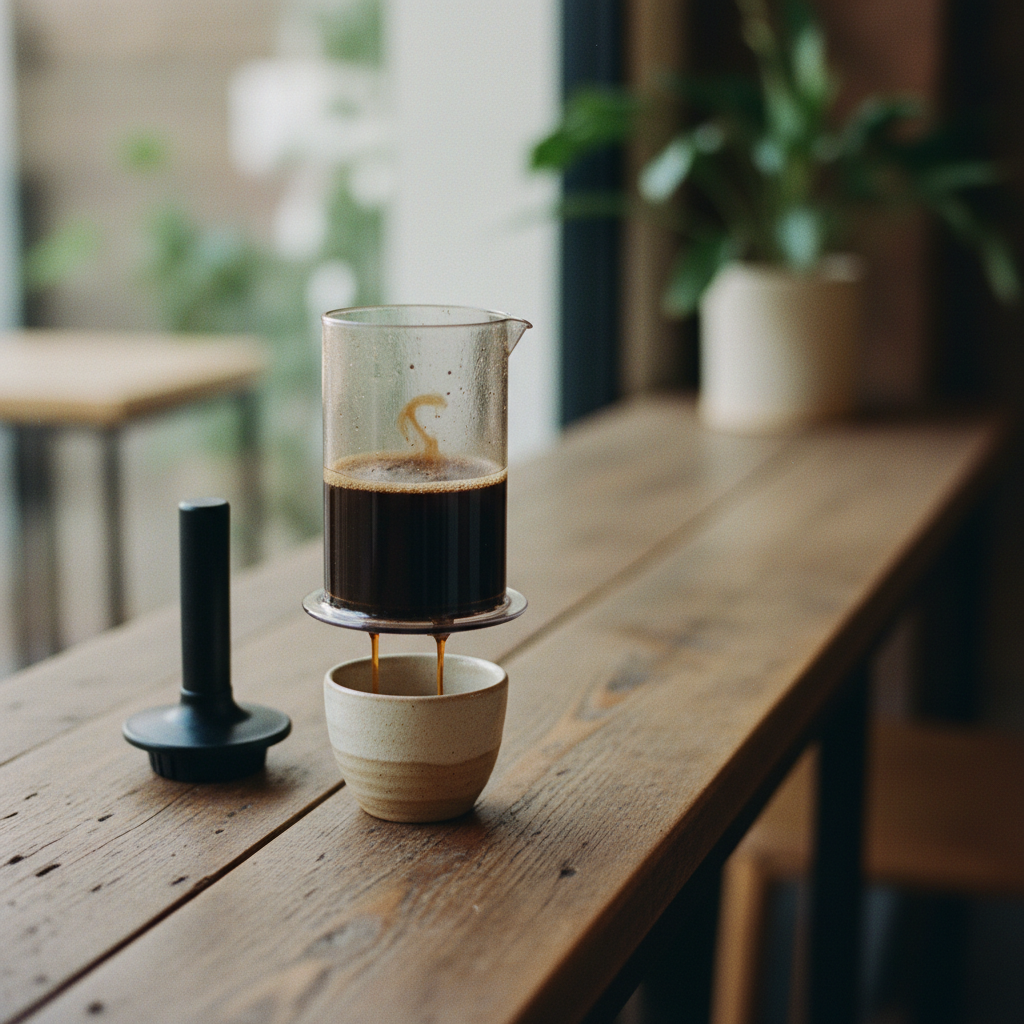
AeroPress
Invented in 2005, beloved by nerds.
A plastic tube and a plunger that produces a clean, full-bodied cup in under two minutes. There's even a World AeroPress Championship.
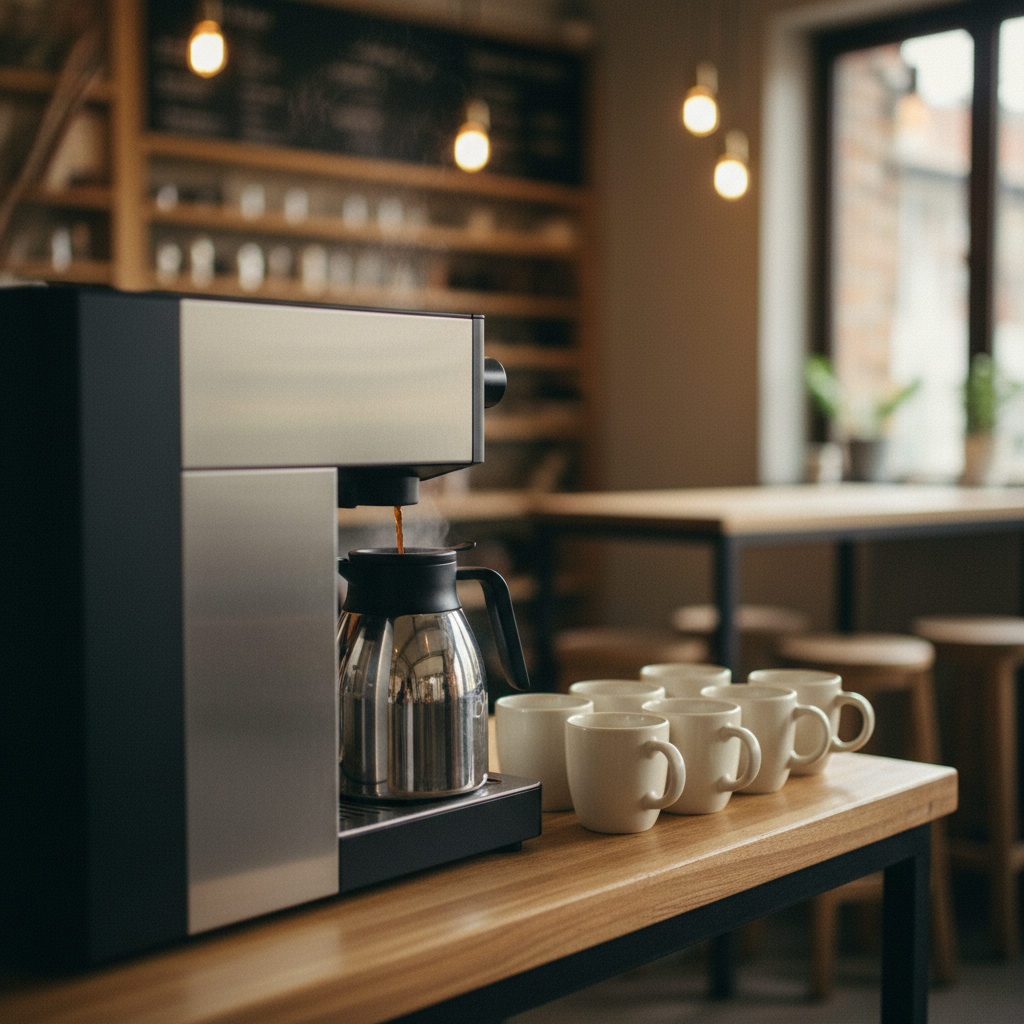
Batch brew
Filter coffee at scale.
Replacing the bottomless drip pot. Brewed to spec, kept warm in a thermal carafe, ready by the cup. The morning answer to a flat white.
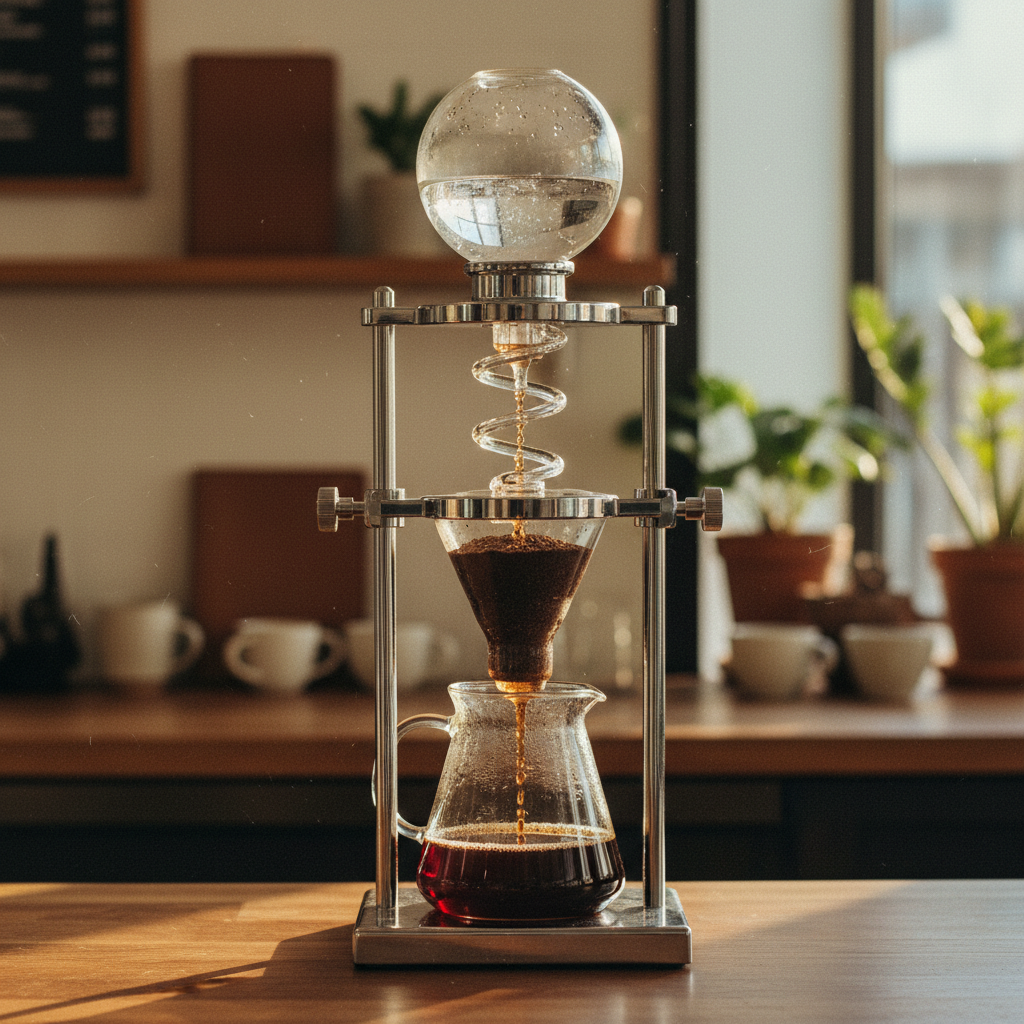
Cold drip & cold brew
Summer's quiet weapon.
Cold drip towers slowly trickle iced water through grounds over 12 hours. Cold brew steeps coarse grounds in cold water overnight. Both yield smooth, low-acid concentrates.
The brands you'll see behind the counter
The handful of manufacturers responsible for nearly every great espresso pulled in Australia.
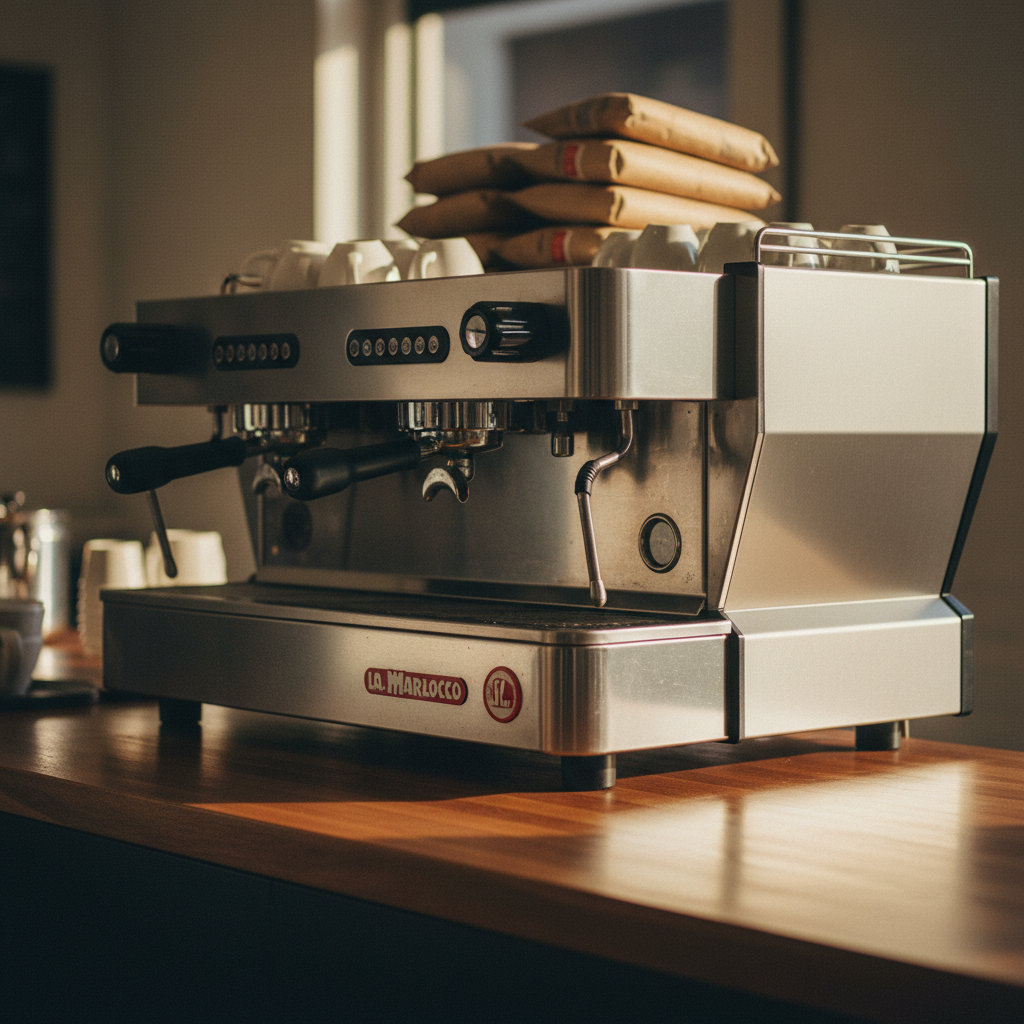
La Marzocco
ItalyThe dream machine. Linea PB and KB90 are workhorses of the world's top cafes.
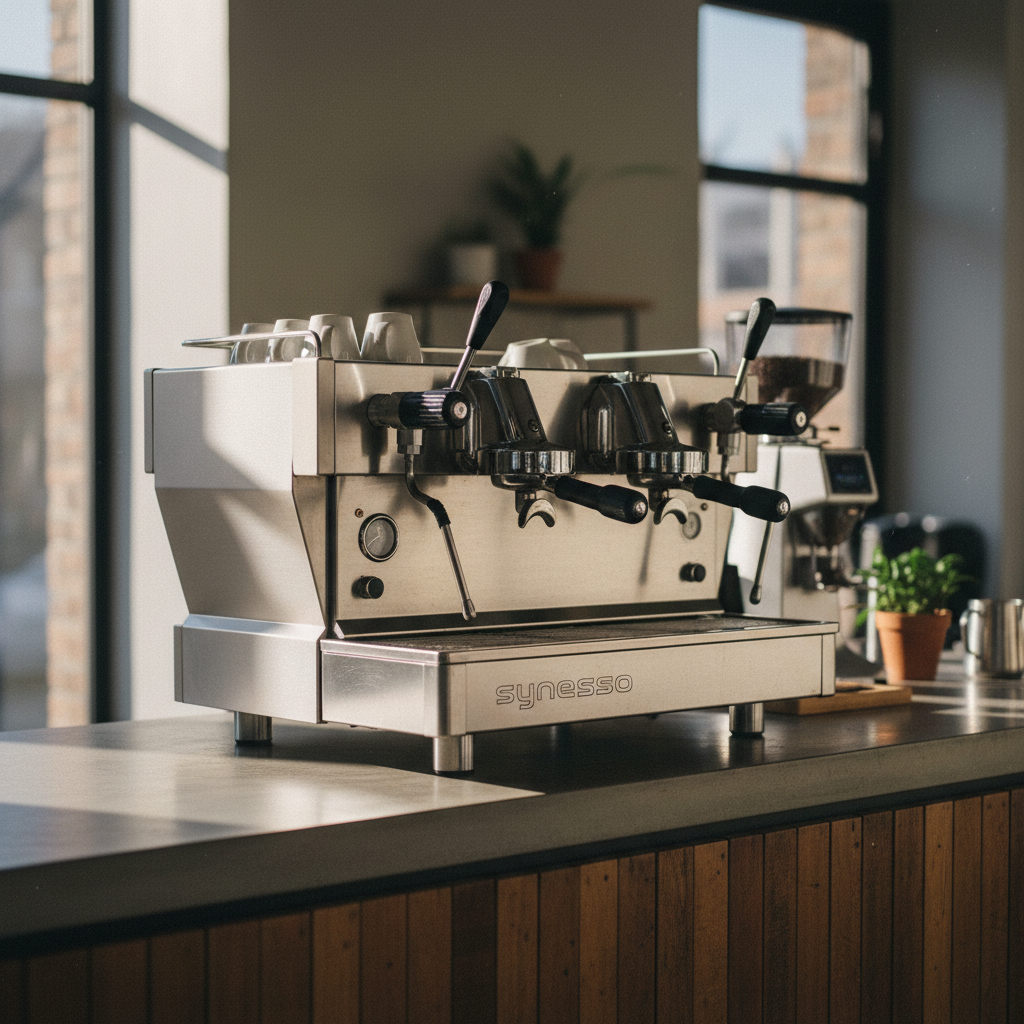
Synesso
USASeattle-built, beloved for temperature stability. The MVP S-series is a specialty favourite.
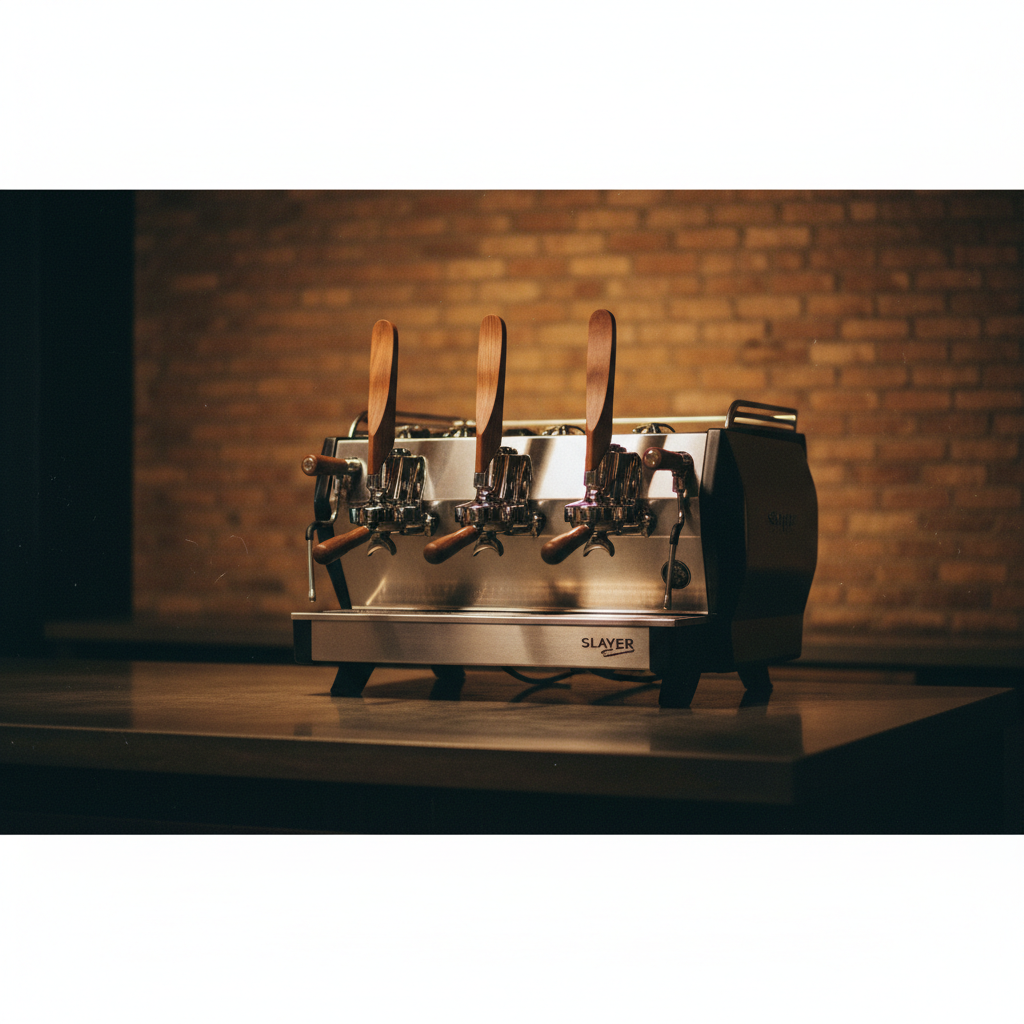
Slayer
USAHand-built pre-infusion machines that look like sculpture. Slow, deliberate, expensive.
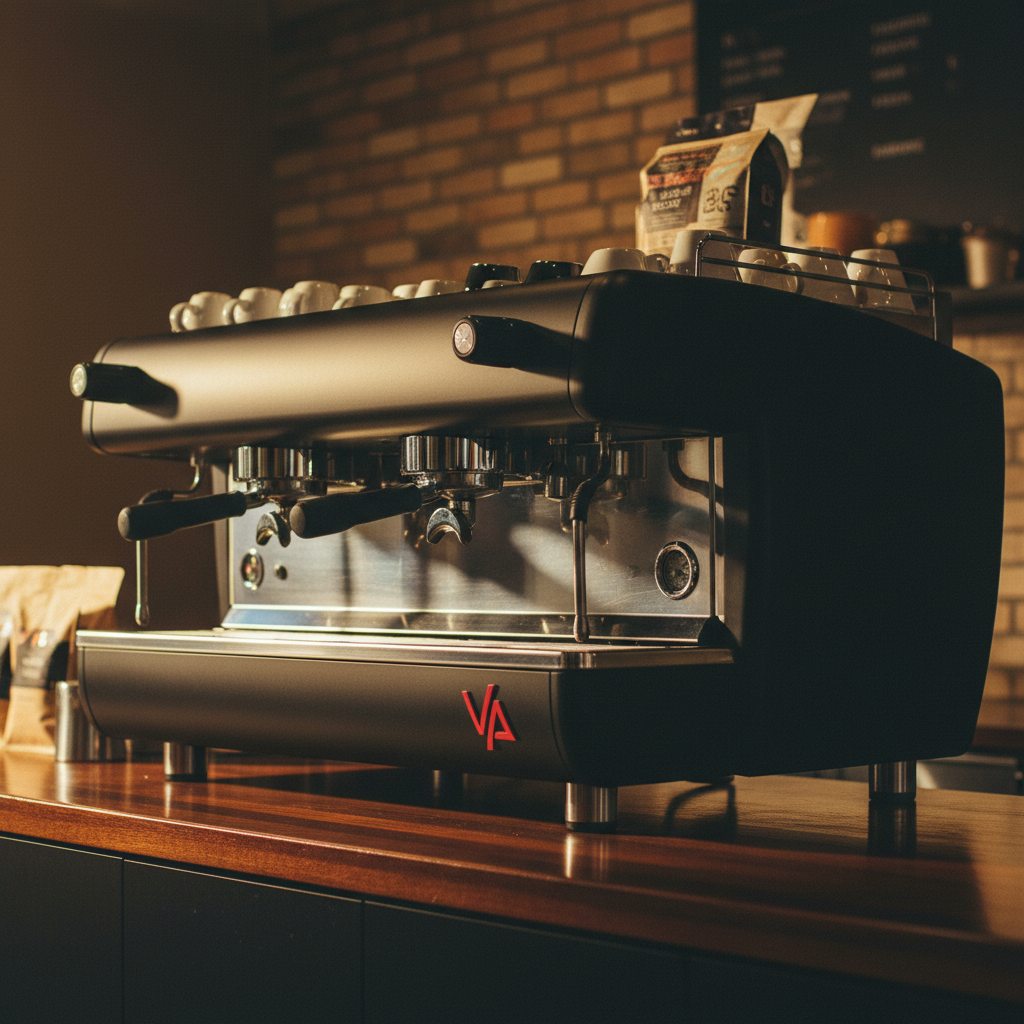
Victoria Arduino
ItalyThe Black Eagle is the official machine of the World Barista Championship.
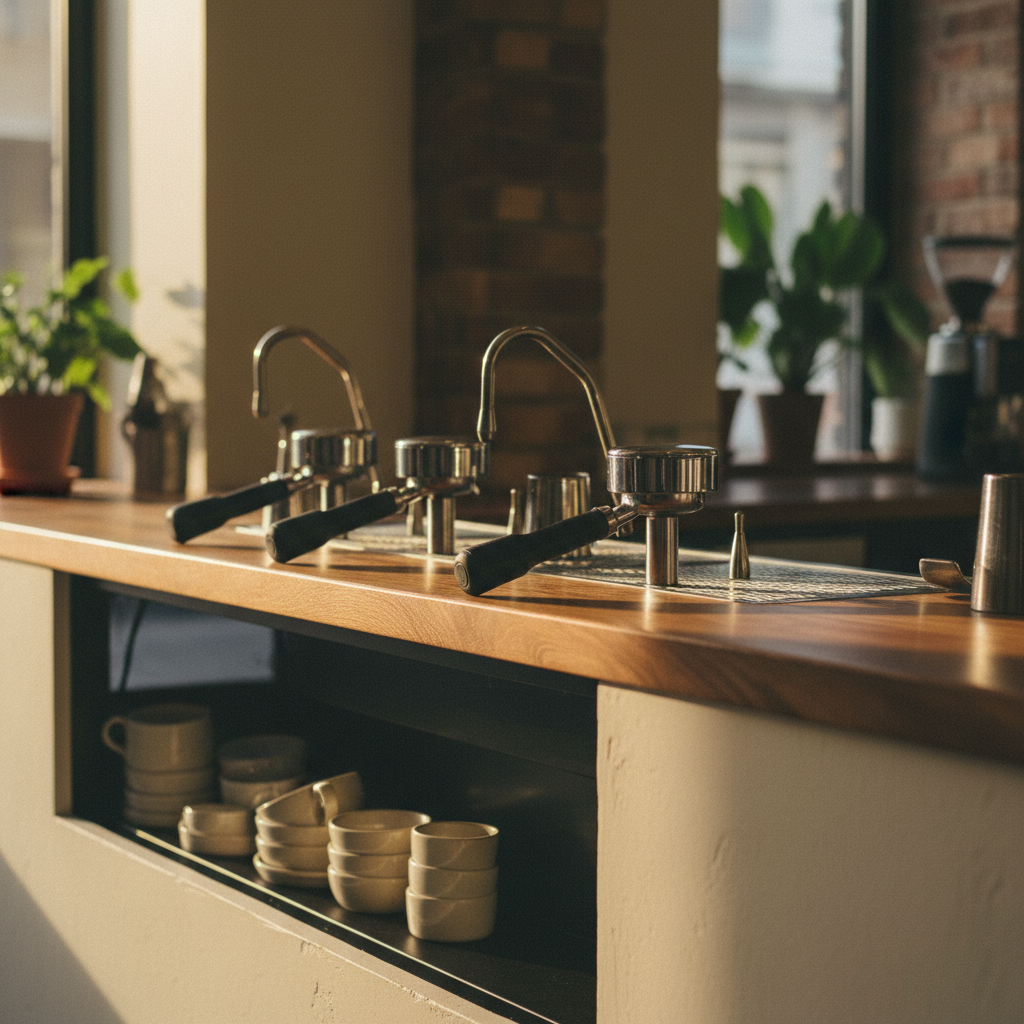
Mavam
AustraliaUnder-counter machines built in Australia — the head unit sits flush so baristas can see the customer.
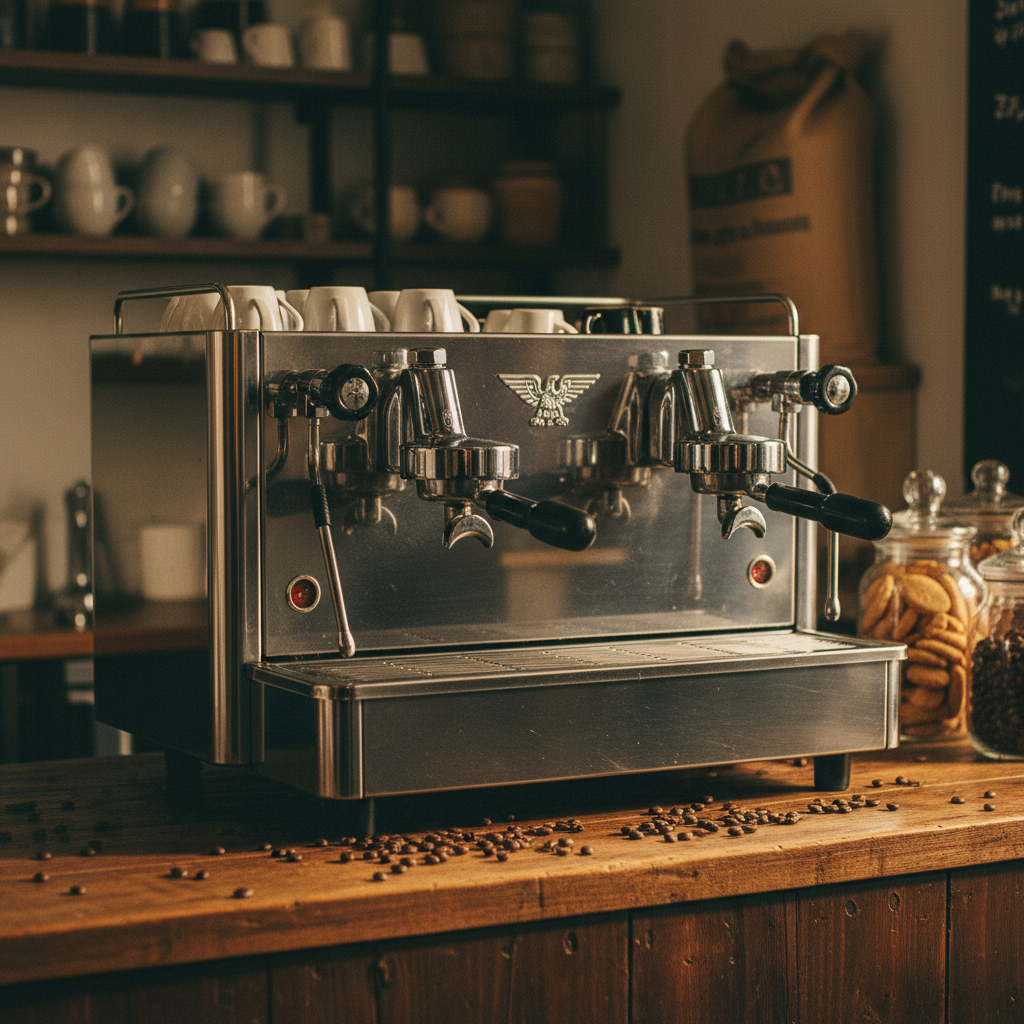
Faema
ItalyInvented the modern espresso machine in 1961. Still a benchmark for classic cafes.
The benchmark
The croissant is the cafe's honest signature
You can hide a lot behind a good espresso machine. You cannot hide a bad croissant. It is made of four ingredients — flour, butter, water, salt (plus yeast and a little sugar) — and every one of its faults is visible before you take a bite.
That's why experienced cafe-goers order one first. A cafe that has bothered to source, or make, genuine laminated pastry has almost always bothered with the coffee, the milk and the room as well. The pastry cabinet is a statement of standards.
The craft
Lamination: 27 layers of butter and steam
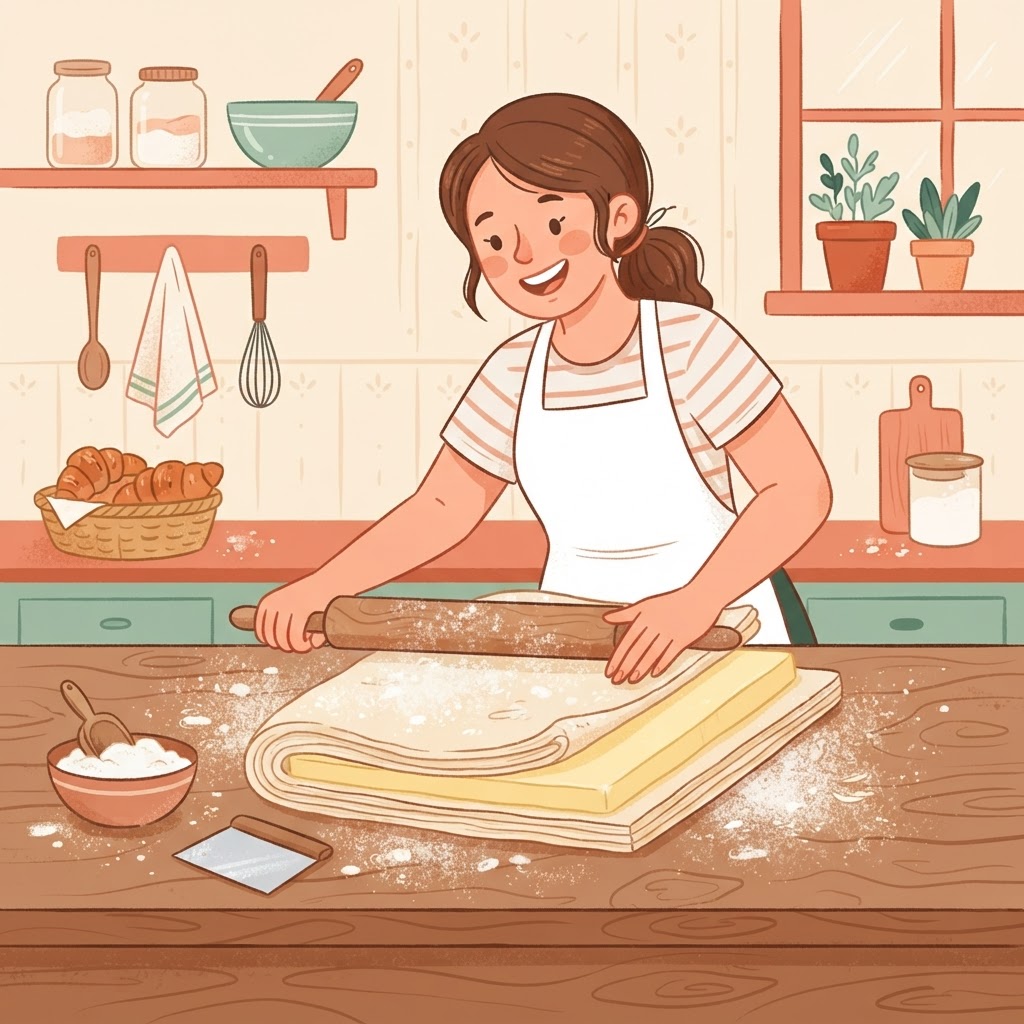
A classic croissant is a yeasted dough wrapped around a single slab of butter and folded three times — three folds of three, giving 27 alternating layers. In the oven the water in the butter turns to steam, and that steam forces each paper-thin layer apart. The layers you see are literally the shape of escaped steam.
It only works inside a narrow window. The butter must stay cool and pliable at around 13–16°C: warmer and it soaks into the dough, colder and it cracks into shards and tears the layers. Between folds the dough rests in the fridge. Then it proves slowly — often overnight — so the flavour develops before it ever meets heat.
Add the oven: a hot start of about 210°C to blow the layers open, then a drop to around 190°C to dry the structure so it holds its shape as it cools. From first fold to cooling rack is 12 to 24 hours of work for something eaten in four minutes.
How to judge one
Six tells of a perfect pastry
The sound
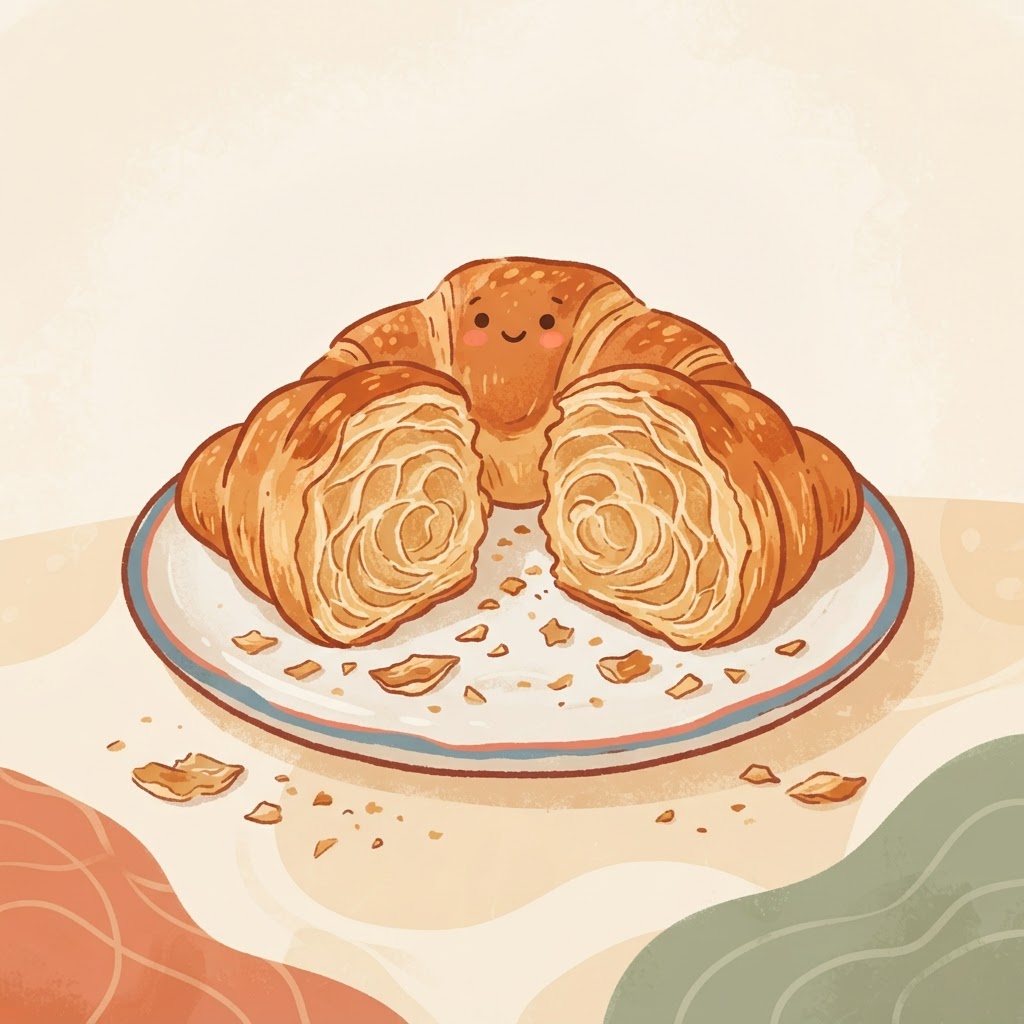
A great croissant is audibly fragile. It should shatter when you tear it and leave a small storm of flakes on the plate. Silence means it was baked too long ago, held in a warm cabinet, or under-proved.
The honeycomb
Pull it open and look for an open, irregular honeycomb with visible spiralled layers running to the tips. Dense, bready, cake-like crumb means the butter melted into the dough instead of steaming it apart.
The butter
Real butter tastes of cream and hazelnut and leaves no waxy film on the roof of your mouth. Margarine and pastry shortening are the single most common shortcut in Australian cafes — and the easiest to taste.
The colour
Deep amber-bronze, not pale gold and not mahogany. Pale means an under-baked, doughy centre. Too dark means bitterness. The base should be as coloured as the top — a pale bottom is a sign of a tired oven or an overloaded tray.
The seasoning
Sweet pastries still need salt. Without it, custards and frangipane taste flat and cloying. A pinch of salt and real vanilla — seeds, not essence — is the difference between a pastry and a sugar delivery device.
The clock
Laminated pastry has a lifespan of hours, not days. The best cafes bake on site each morning and sell out. A full cabinet at 4pm is not abundance — it's yesterday.
The cabinet
Beyond the croissant: what a great cabinet looks like
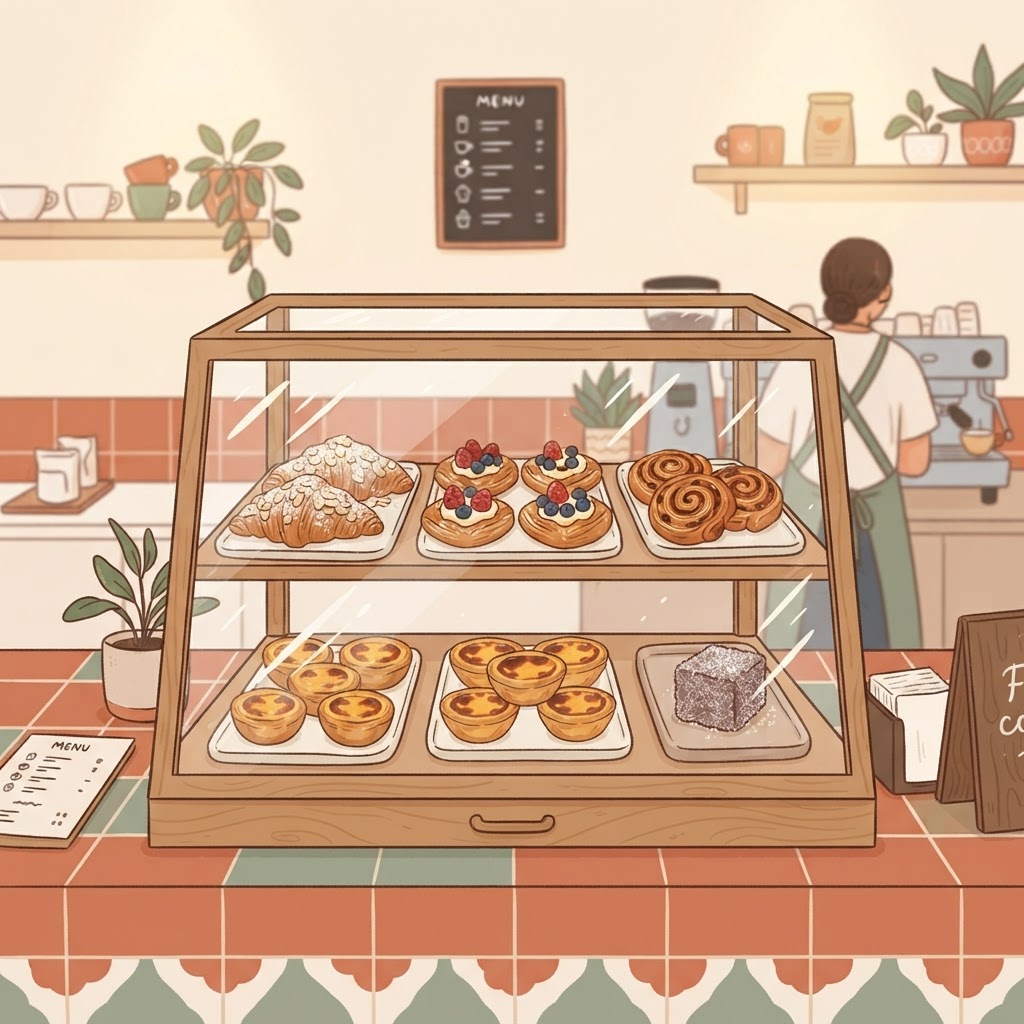
A confident cabinet is small. Eight things done properly beat twenty things bought in frozen. Look for a short line-up that rotates with the seasons — rhubarb and blood orange in winter, stone fruit and berries in summer — because that tells you someone is actually cooking, not reordering.
The Australian canon is its own thing. The almond croissant (yesterday's croissant reborn in frangipane and syrup — the one pastry that's meant to be a day old), the escargot swirl, the custard danish, the Portuguese tart with its blistered, caramelised top, the sausage roll with real pastry, and the lamington and vanilla slice we inherited from the country bakery.
Presentation matters less than temperature. Pastry should sit at room temperature under glass, never chilled — refrigeration turns butter waxy and stales starch within hours. If a cafe reheats to order, that's a good sign; a microwave is not.
Why Australian pastry got so good, so fast
For decades the cafe pastry was an afterthought — a bought-in muffin beside a very serious coffee. That changed in the 2010s, when French-trained bakers, a wave of Japanese precision baking and a generation of cafe owners who had eaten in Paris and Copenhagen decided the food had to match the cup. Suburban bakeries started proving overnight and opening at 6am with queues out the door.
The local advantage is the same one that built our coffee: excellent dairy. Australian cultured butter has the fat content and flavour that lamination lives on, and it's produced a few hours' drive from the bench. Add our habit of borrowing freely — miso caramel, pandan custard, Vegemite scrolls — and the result is a pastry culture with a genuine accent of its own.